

In Russia, Statistics on Crimes by Military and Police Officers Have Been Hidden
In the 2025 reports of the Judicial Department under the Supreme Court of Russia, information on crimes committed by military personnel and law enforcement officers was not disclosed. Statistics on cases such as high treason, espionage, and "discrediting" the army have also been closed.
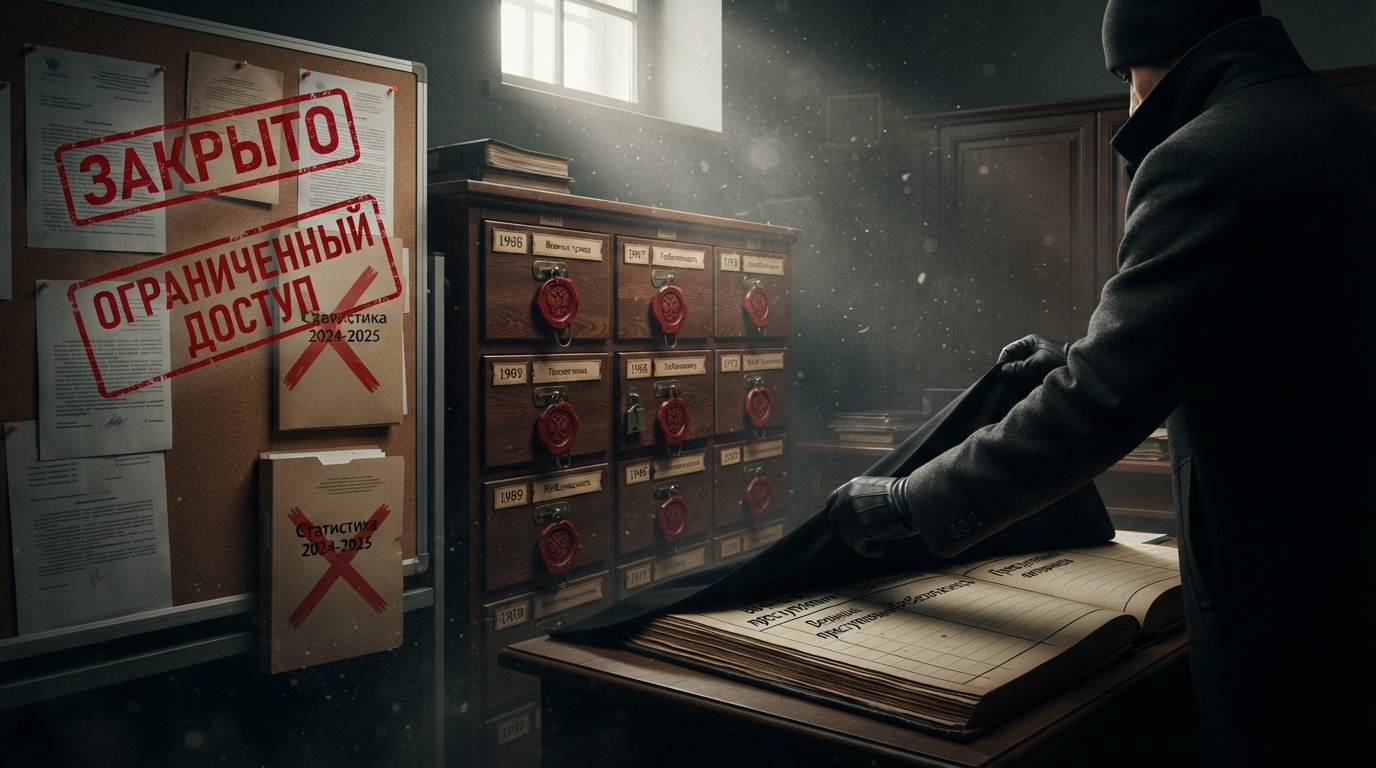
Statistics on crimes committed by military personnel and police officers have been hidden in Russia
According to DW, the publication "Verstka" drew attention to changes in the reports published on October 2.
The restrictions cover data on cases related to state security, articles used in political persecution, as well as crimes committed by military personnel and law enforcement officers.
In the summary statistics, the number of court petitions to declare citizens deceased or missing has been hidden.
According to "Verstka", in 2024, the Judicial Department reported that the number of such petitions had reached a record high of 17.5 thousand.
At the end of 2025, Russian courts began removing data related to the consideration of such cases from their websites.
The publication writes that data on 28 articles of the Criminal Code of the Russian Federation used in political persecution has also been classified.
Among them are cases related to high treason, cooperation with foreign states, espionage, disclosure of state secrets, sabotage, organizing an extremist community, and "discrediting" the army.
Additionally, statistics related to evading the duties of a "foreign agent" have not been disclosed.
Among administrative cases, data on "discrediting" the army, inciting hatred, calling for separatism, and violating the regulations on the activities of a "foreign agent" has been closed.
In addition to military personnel, the Judicial Department did not disclose statistics on crimes committed by judges, prosecutors, investigators, police officers, and employees of the Federal Penitentiary Service.
In a comment to the publication "Vazhnye Istorii" in April 2026, the department explained the restriction of access to judicial statistics by "changes in the regulations for publishing data."