

Saudi Arabia overturns death sentence for man over Facebook comment
Anojan Sivarasa's case sent shockwaves through Sri Lanka, spurring diplomatic efforts to seek clemency.
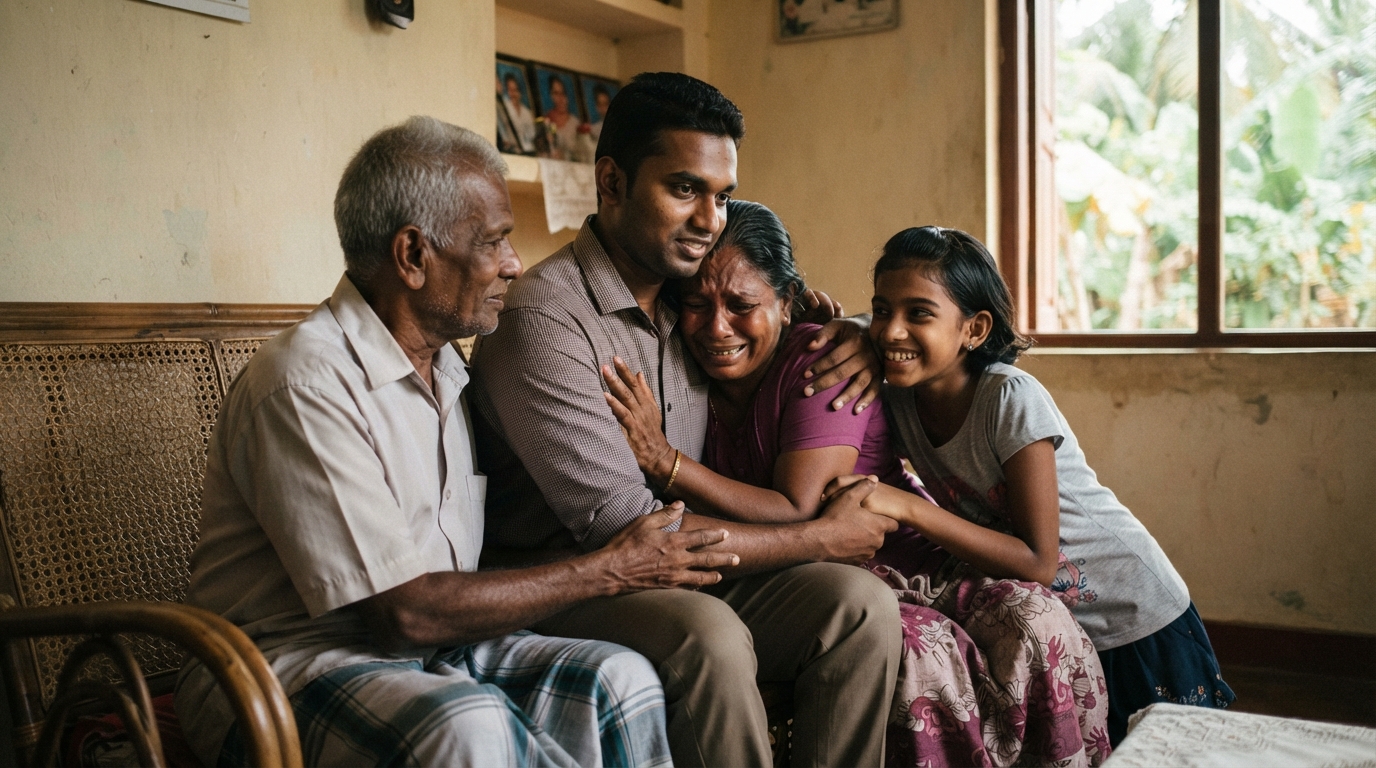
Saudi Arabia's Supreme Court has overturned the death sentence imposed on a Sri Lankan migrant worker over a Facebook comment, Colombo's Deputy Foreign Minister Arun Hemachandra said.
Anojan Sivarasa, 27, was sentenced to death in September after a Saudi appellate court found him guilty of blasphemy against Islam and the Prophet Muhammad over the comment.
Hemachandra said in a Facebook post on Wednesday that Saudi Arabia's top court had set aside the sentence, and he thanked the authorities and legal teams in both countries for their efforts.
In late June, video of a young Muslim man kicking a dog after Hindu pilgrims circulated widely on social media, sparking religious arguments online.
During that exchange, a user posted insulting remarks about a Hindu deity, prompting Sivarasa to reply in Tamil with insults directed at the Prophet Muhammad.
Although Sivarasa quickly deleted the comment and posted an apology video, a screenshot of it was shown to his employer and Saudi officials, leading to his arrest in July.
It remains unclear whether there will be further legal action or whether Sivarasa will stay in detention, and for how long. He was originally sentenced by the Al-Ahsa Criminal Court to five years in prison and a fine of three million Saudi riyals ($0.8m; £0.6m).
Faizer Mustafa, a Sri Lankan lawmaker involved in legal negotiations with Saudi Arabia over Sivarasa's case, told BBC Sinhala that Saudi Arabia had overturned the death sentence, adding that they are reviewing the Supreme Court's latest ruling.
Sivarasa's family had previously said they had no direct contact with him since 28 September.
International rights groups had also joined calls for Saudi Arabia to spare his life.
"Saudi authorities should end their use of abusive laws to hand out extraordinary sentences for speech-related offenses, especially against migrant workers who are already in a vulnerable position with limited protections," Joey Shea, senior Saudi Arabia researcher at Human Rights Watch, said on Tuesday.