

Russia's gasoline production falls to 70% of domestic demand — Reuters
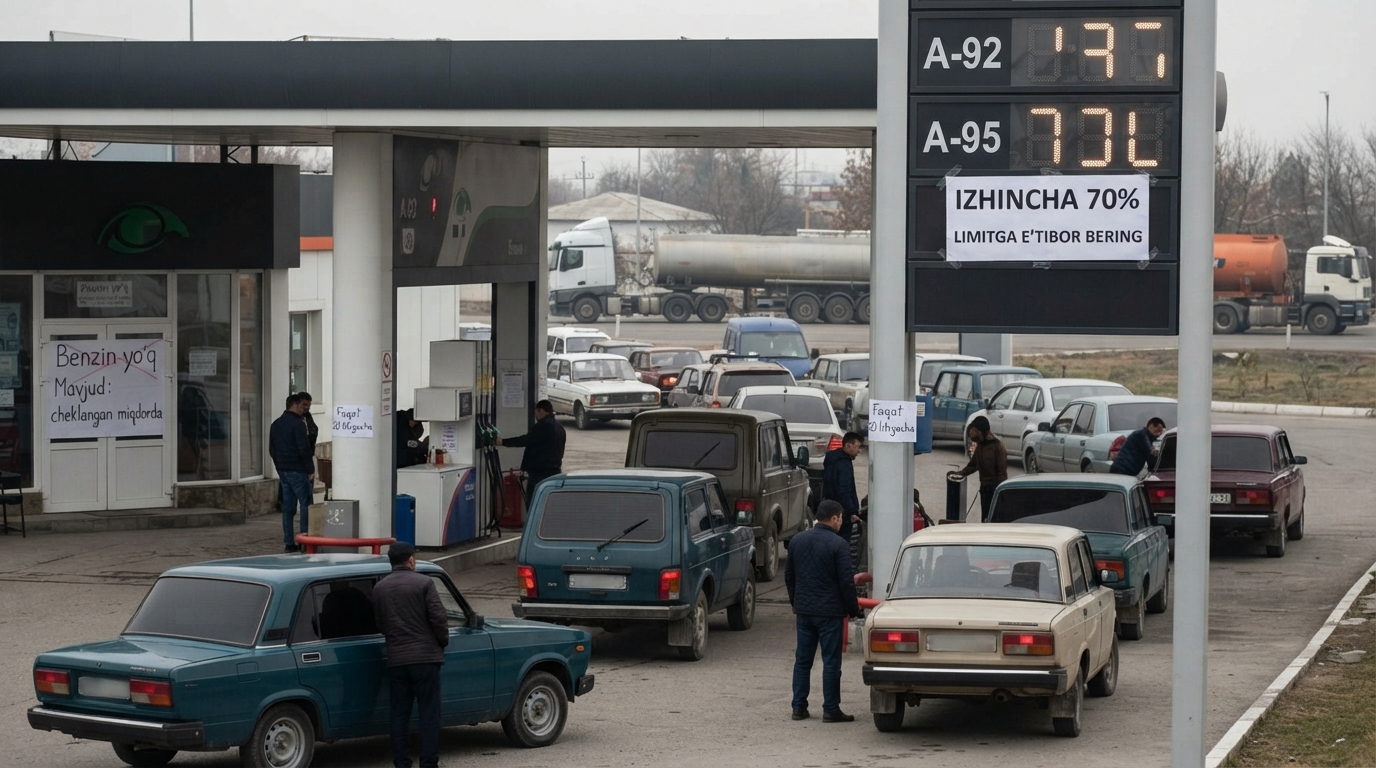
Russia's gasoline production falls to 70 percent of domestic demand — Reuters
Reuters reported, citing two industry sources, that Russian gasoline production had fallen to about 70 percent of domestic demand by the end of August. This was due to attacks by Ukrainian drones on oil refineries.
The country currently produces about 80,000 tons of gasoline per day. Domestic demand in the summer months is about 115,000 tons per day. Thus, the gap between production and demand has reached 35,000 tons.
In August, Russia produced an average of 90,000 tons of gasoline per day, which is about 80 percent of summer demand.
Over the past week, Ukrainian drones have struck major oil refineries in Perm, Nizhny Novgorod and Yaroslavl. After the attacks, production at some enterprises was completely or partially suspended.
Fuel sales restrictions imposed in some regions of Russia at the end of July came into effect again in August. In some places, the amount of gasoline sold to one customer is limited, while in others, fuel is sold based on the license plate of the car.
Russia is also increasing gasoline imports against the backdrop of the shortage. According to Reuters sources, about 150,000 tons of gasoline are expected to be imported from Belarus in August. The volume of oil products delivered by sea from Asian countries could reach 270,000 tons.
About 220,000 tons of imported gasoline were delivered to Russia in August, which is an average of 7,000 tons per day.
Due to the ban on gasoline exports and imports, Russia is expected to supply the domestic market with an average of 97,000 tons of fuel per day in August. This is about 85 percent of the country's demand.
The Russian Energy Ministry did not respond to Reuters' request for comment on the situation.
Earlier, it was reported that Russia had begun negotiations to purchase about 50,000 tons of Ai-92 gasoline from Kazakhstan in order to reduce the shortage of gasoline in the domestic market. At that time, it was reported that gasoline production in the country had decreased by about 25% compared to the same period in 2025.
Later, it became known that the fuel crisis in Russia was also beginning to affect the countries of Central Asia. Kyrgyzstan, Kazakhstan and Tajikistan have taken measures to diversify fuel supplies and introduce some restrictions on the domestic market.
In July, the Financial Times wrote that the fuel shortage in Russia affects about 50 million people.
The Russian government has repeatedly extended a ban on gasoline exports to alleviate the situation. Earlier, President Vladimir Putin also admitted that the country's fuel problems have not been completely eliminated.