

Russian drone, fully controlled by artificial intelligence, kills 3 civilians in Ukraine – media
The New York Times, citing Ukrainian military experts and forensic scientists, reported that the drone that attacked Zaporizhia last month was fully autonomous and chose its own targets. Mini-computers with AI chips made by the US company Nvidia were found inside the Russian drones.
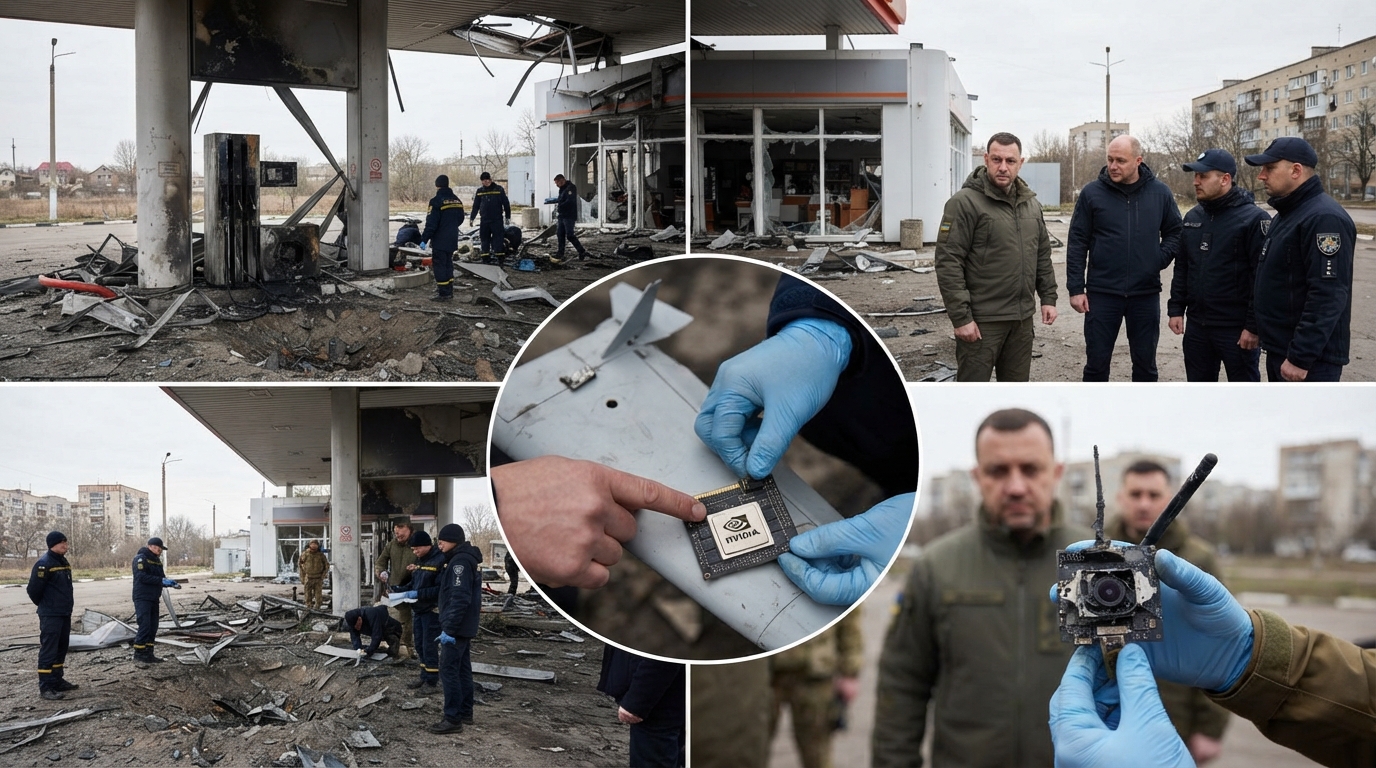
**Russian drone fully controlled by artificial intelligence kills 3 civilians in Ukraine – media report**
Last month, three civilians were killed in Ukraine in a drone attack fully controlled by an experimental Russian artificial intelligence system. The incident occurred on July 6 at a gas station in Zaporizhia. A 19-year-old female student and two men, ages 41 and 48, were killed in the attack.
The New York Times, which reported on the incident, relied on the conclusions of Ukrainian drone experts, military personnel and forensic scientists. They also examined the remains of other Russian drones, such as the Molniya, that attacked Zaporizhia.
Analysts believe that these drones were fully autonomous, and they give several reasons for this:
* Although the drones had a video camera, they did not have antennas to communicate with the operator.
* The drone that exploded and killed the people was flying in a group of about six drones.
* None of the drones transmitted radio signals to their base.
* These drones were launched in waves over Zaporizhia - one massive attack was immediately followed by another.
* Most importantly, Jetson Orin mini-computers manufactured by the American company Nvidia were found inside the drones. This company produces the most advanced artificial intelligence chips in the world.
It is believed that it was the mini-computers with chips that cost only a few hundred dollars that made the decision to select the target. According to the publication, such mini-computers have previously been found in other Russian weapons.
Ukrainian officials say the Nvidia minicomputer on the drone that attacked Zaporizhia was not encrypted. So experts looked at the images of the area loaded into the module and also studied the drone's software code. The results showed what types of targets the drone was trained to recognize and attack.
These drones are believed to operate as follows: an operator programs the drone to fly towards a specific target, such as a gas station. When the drone approaches it, it independently selects the final target, such as propane tanks, based on a pre-trained database of object recognition.