

Russia strikes Kiev ammunition depots. 37 killed in ammunition explosion
According to the Ukrainian Air Force, in the night attack, the Russians launched an Onyx missile, an Iskander-M ballistic missile, and 267 strike drones against the ship.
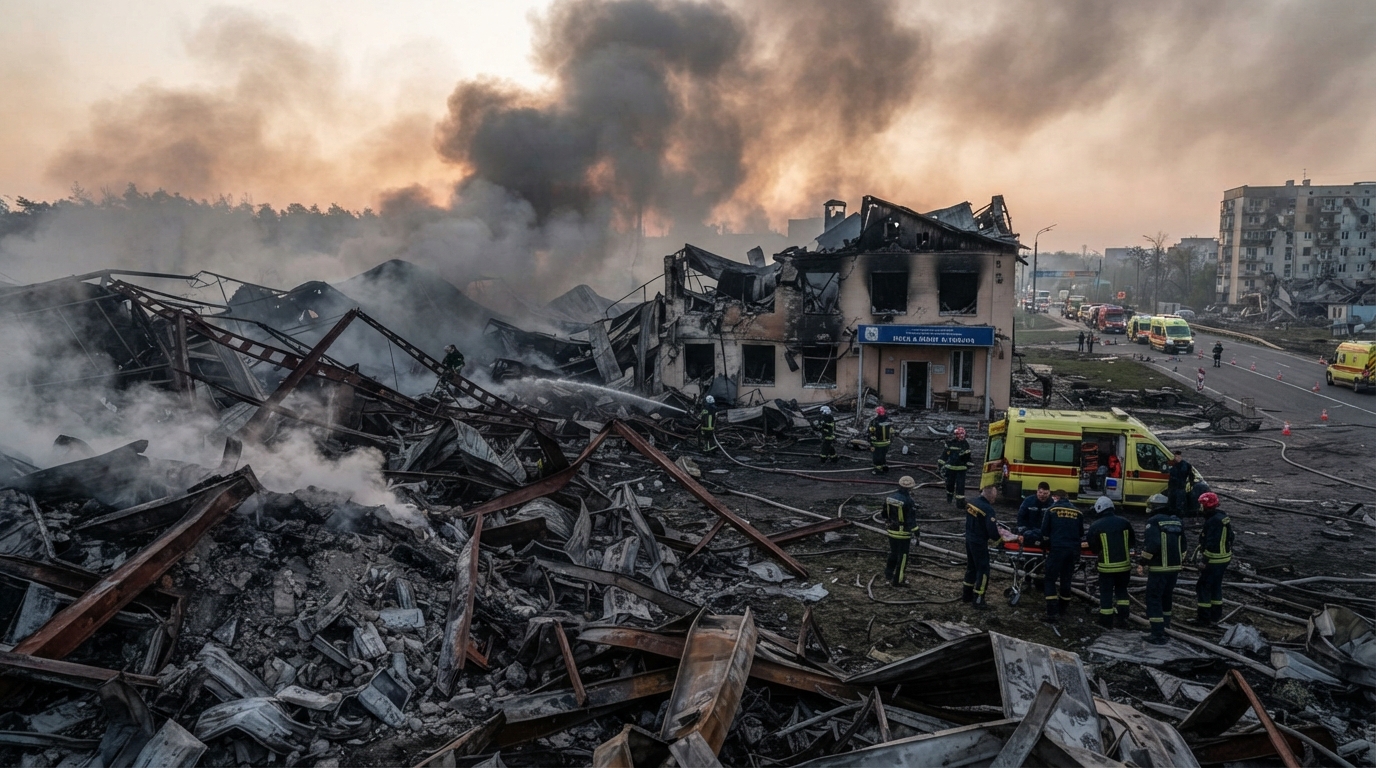
At least 37 people have been killed in a Russian strike on warehouses in the Kiev region and the subsequent explosion of ammunition, the head of the Kiev regional administration, Timur Tkachenko, said.
Another 42 people, including four children, were injured in the incident at warehouses in the Bucha district on the night of August 29. According to the BBC, most of the dead - 34 people - were in a nursing home.
Ukrainian President Volodymyr Zelensky called the incident "appalling negligence on the part of those who stored explosives directly next to people" and stressed that such situations cannot be allowed. "The first strike [during the Russian attack] was on a place where ammunition was stored that should not have been there - the reserves of the defense forces. There was an explosion of shells, mines, other ammunition and drones. The scale is very large," he said in a statement.
According to the Ukrainian Air Force, in yesterday's attack, Russia launched an Onyx anti-ship missile, an Iskander-M ballistic missile, as well as 267 strike drones across Ukraine. Until noon on August 29, Shahed drones continued to attack the Kiev region.
The incident, which Ukrainian authorities have called "criminal negligence," began on Saturday night with multiple explosions and a large fire as a result of an attack by Russian military personnel on one of the enterprises in the village of Mylaia, Bucha district. About 400 people were evacuated from the emergency zone. Due to the explosions, traffic was completely stopped on the Zhytomyr highway from kilometer 15 to kilometer 32.