

Russia plans to spend 178 billion euros on defense in 2027
Russia plans to spend 17.1 trillion rubles — nearly 178 billion euros — on defense in 2027. This is approximately 27 percent more than the 13.5 trillion rubles originally planned in the budget, and will be the highest figure since the start of the war in Ukraine.
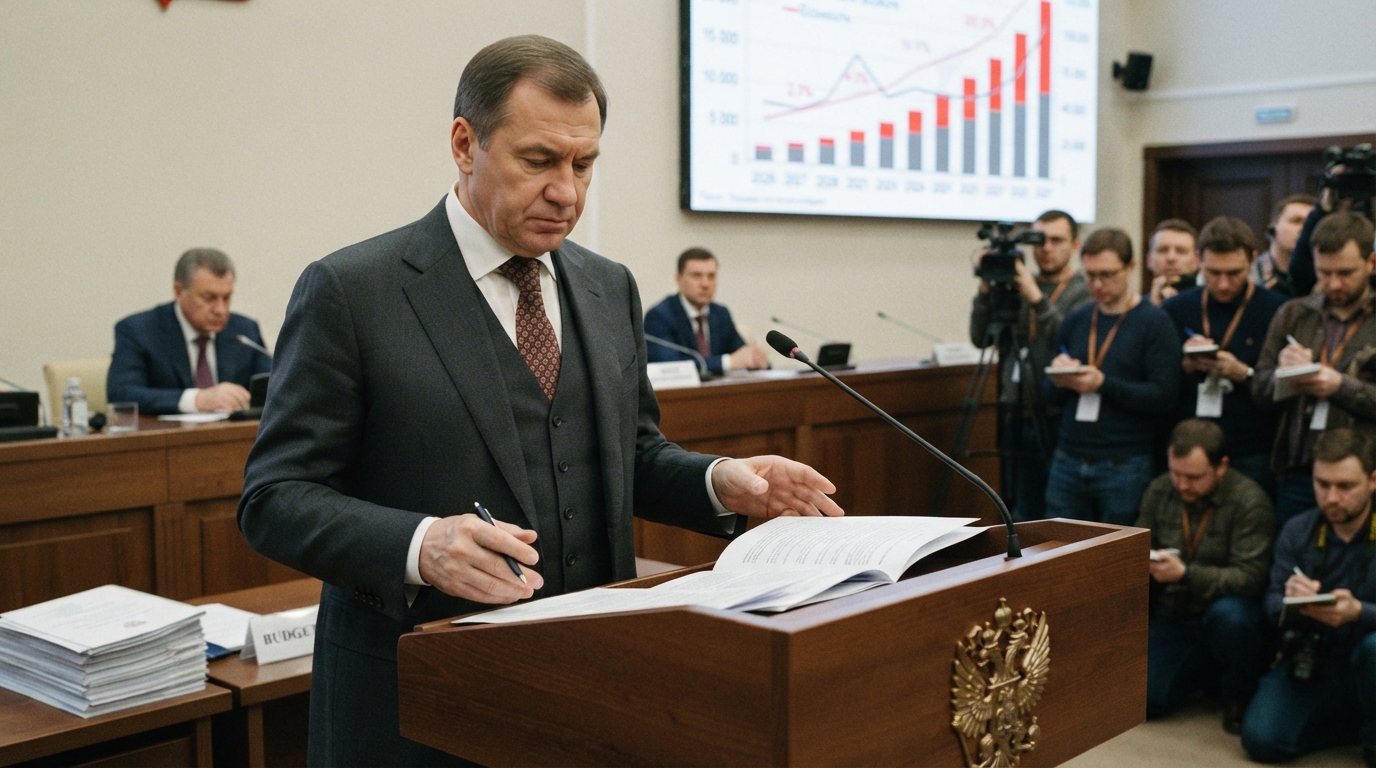
Russia plans to spend 178 billion euros on defense in 2027
Reuters reported this on September 28, citing government documents it had reviewed.
According to the documents, Russia's total defense spending over the next three years will amount to 50 trillion rubles. For 2026, 12.1 trillion rubles had been earmarked for defense needs.
Reuters noted that the actual volume of spending is classified. Part of the military expenditures may also be included in other sections of the budget.
The Russian government has increased its budget deficit forecast for 2026 from 1.6 percent to 3.2 percent of gross domestic product.
This year, budget expenditures are expected to increase by 13.2 percent to reach 48.6 trillion rubles, which is 20.9 percent of GDP.
The draft budget law is due to be submitted to the State Duma on October 1.
Last week, after the elections, Russian officials announced plans to raise taxes again in 2027.
In particular, about 200 billion rubles in additional annual revenue is expected to be generated by introducing a new tax on the windfall profits of certain segments of the mining and metallurgical complex, as well as fertilizer producers.
According to the documents, the net borrowing plan for 2027 will be increased by 26 percent to reach 5 trillion rubles. It is also planned to allocate 459 billion rubles from the National Wealth Fund to reduce the budget deficit. This is equivalent to approximately 11 percent of the fund's liquid part.
The Russian government has lowered its forecast for oil and gas revenues in 2026 to 7.6 trillion rubles from the previously expected 8.9 trillion rubles.
The national debt is expected to increase from 19.9 percent of GDP in 2026 to 21.7 percent in 2027. This is above the 20 percent level that Russian officials consider safe.