

Russia intends to leave Odessa, Kharkiv, and Kyiv without electricity and water in winter - Media
Russia will attempt to force Ukraine to surrender through this route, The New York Times wrote.
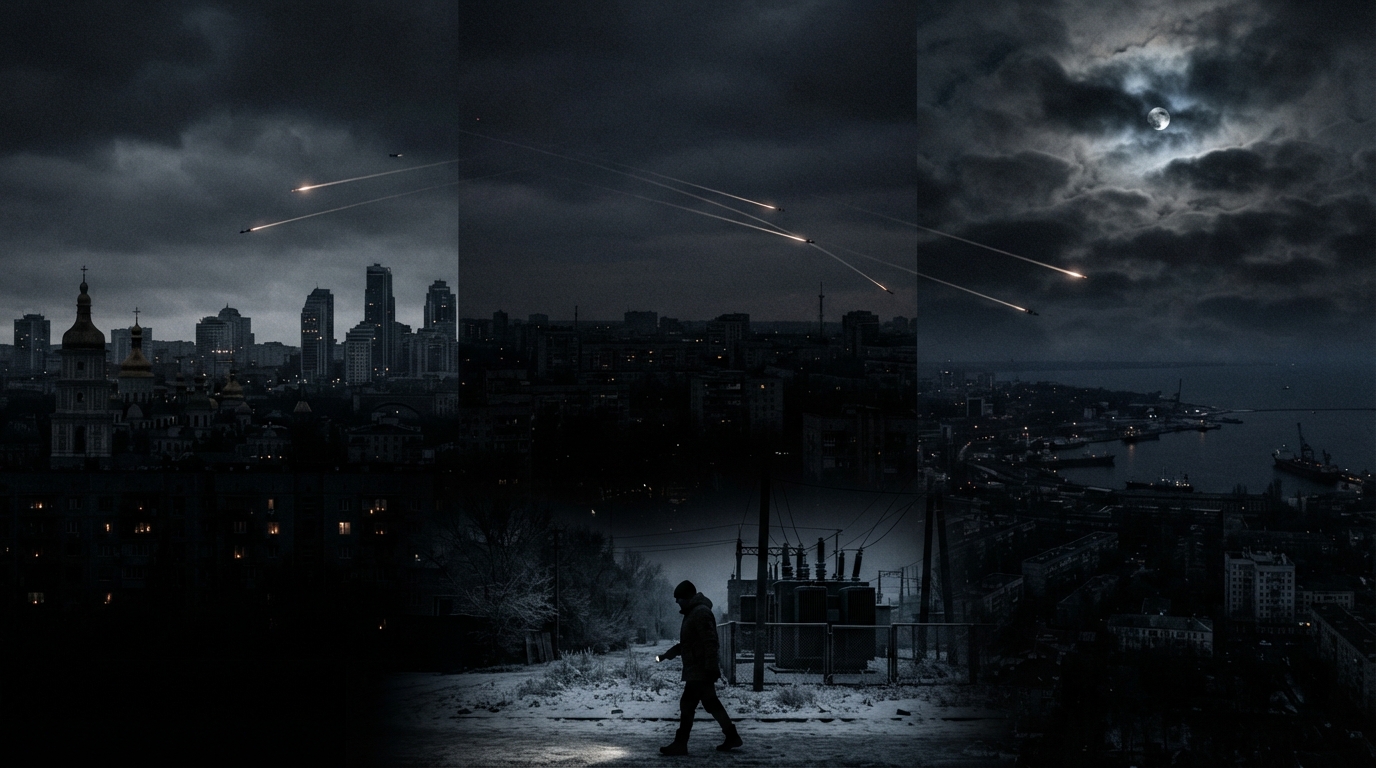
Russia aims to leave Odesa, Kharkiv, and Kyiv without electricity and water in winter — Media
Russia aims to disrupt Ukraine's energy system in the coming winter to force the country to surrender, specifically targeting to leave Kyiv, Kharkiv, and Odesa without electricity, heating, and water.
Journalists of the publication reviewed the Russian government's plan, which was obtained by Ukraine and presented to European allies in September.
According to the plan, Russia would need nearly 70 ballistic missiles, 720 long-range drones, and 150 guided aerial bombs to deprive Ukraine's three largest cities of water, electricity, and heating. Russian military strategists calculate that a month of strikes at such intensity would destroy Ukraine's energy system.
The newspaper emphasizes that as the war enters its fifth year, Ukrainian power plants have lost the ability to operate at full capacity due to previous attacks, and each new strike quickly disables them. In particular, while the total capacity of the three thermal power plants supplying Kyiv before the war was approximately 1.3 gigawatts, this figure has now dropped to around 500 megawatts.
The publication writes that if Russia's plan is implemented, Kyiv, Kharkiv, and Odesa could lose 90 percent of their energy capacity, heat supply could be reduced by 90 percent, and subsequently, disruptions in water supply and sewage systems could occur.
Russia's confidence in this plan is mainly explained by Ukraine's lack of air defense systems, primarily missiles for Patriot systems. Without them, the Armed Forces of Ukraine are virtually unable to defend against ballistic missiles.
Analysts say that Moscow's chances of success in the air campaign are now significantly higher than at any other period of the war. Ukraine's anti-missile defense system is "exhausted" due to the reduction in American aid, Russia's missile and drone stockpiles have become stronger and more effective, and Ukraine's energy infrastructure has been significantly weakened due to the cumulative effect of strikes over the years.
Therefore, the likelihood of Moscow agreeing in any form to an energy truce, which Kyiv has regularly proposed, is extremely low. "The only leverage they have left to put pressure on Ukrainians is air strikes. They have nothing else," Harry Nedelcu, a director at the Rasmussen Global consulting firm, told The New York Times.