

Reported assaults on Britain's rail services rise substantially
Recorded incidents of violence and harassment against passengers and rail workers increased by 36% in the year to March.
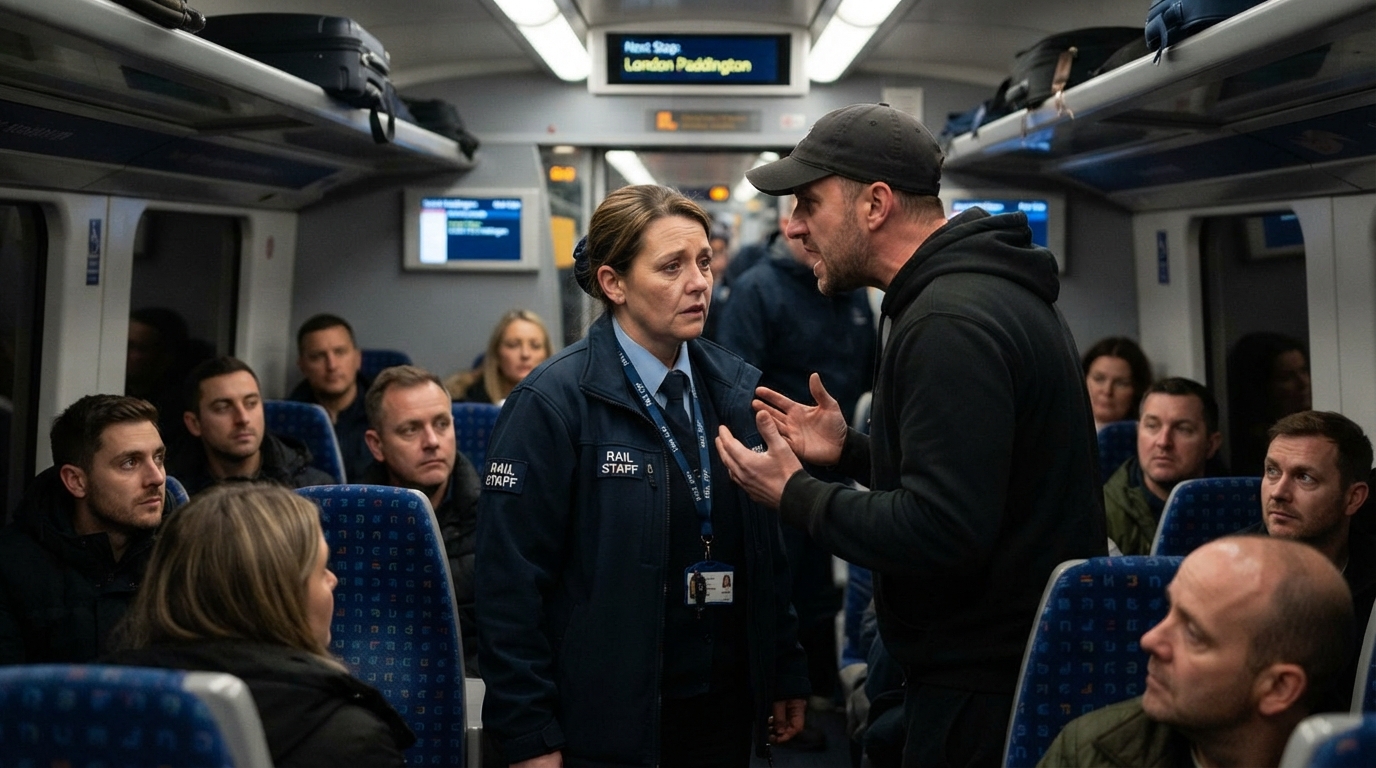
Reported assaults on Britain’s rail services rise substantially
New figures show that reports of violent incidents and harassment on rail services across Britain have increased.
According to the regulator, the Office of Rail and Road (ORR), reported assaults, including physical and verbal incidents, "rose substantially" in the year to March 2026 compared with the previous year.
In all, 13,464 assaults against passengers and members of the public were recorded on the mainline railway, an increase of 36% and the highest total since the series began in 2004. The figures do not include incidents in Northern Ireland.
The ORR said the rise was "concerning" and said it was working with the industry to tackle the issue.
The figures show harassment rose by 52% from the previous year, while common assaults increased by 30%.
The rise comes amid five years of growing reports of incidents and industry campaigns aimed at raising awareness.
Assaults on the mainline railway are logged by type. That means a single incident can be counted in more than one category, for example if someone is harassed and then physically assaulted.
There were also 11,289 reported assaults against members of the workforce on the mainline railway, up 12% on the previous year.
Of these, 2,487 were physical assaults, while more than half, 6,390 incidents, involved verbal abuse. The remainder were threats.
"We're working with industry and our trade union colleagues to address work-related violence and harassment," said Richard Hines, the ORR's chief inspector of railways.
"This includes understanding where the risks are, putting effective controls in place, encouraging staff to report incidents and providing appropriate support afterwards," he said.
Other notable figures from the statistical release show that 11 members of the public died at mainline level crossings in the latest year, six more than in the previous year. Eight were pedestrians and the others were road vehicle users.