

OpenAI launches a separate version of ChatGPT for teenagers
OpenAI is offering a special version of ChatGPT for users aged 13 to 17, with enhanced mental health protections and features designed to support independent thinking in teens.
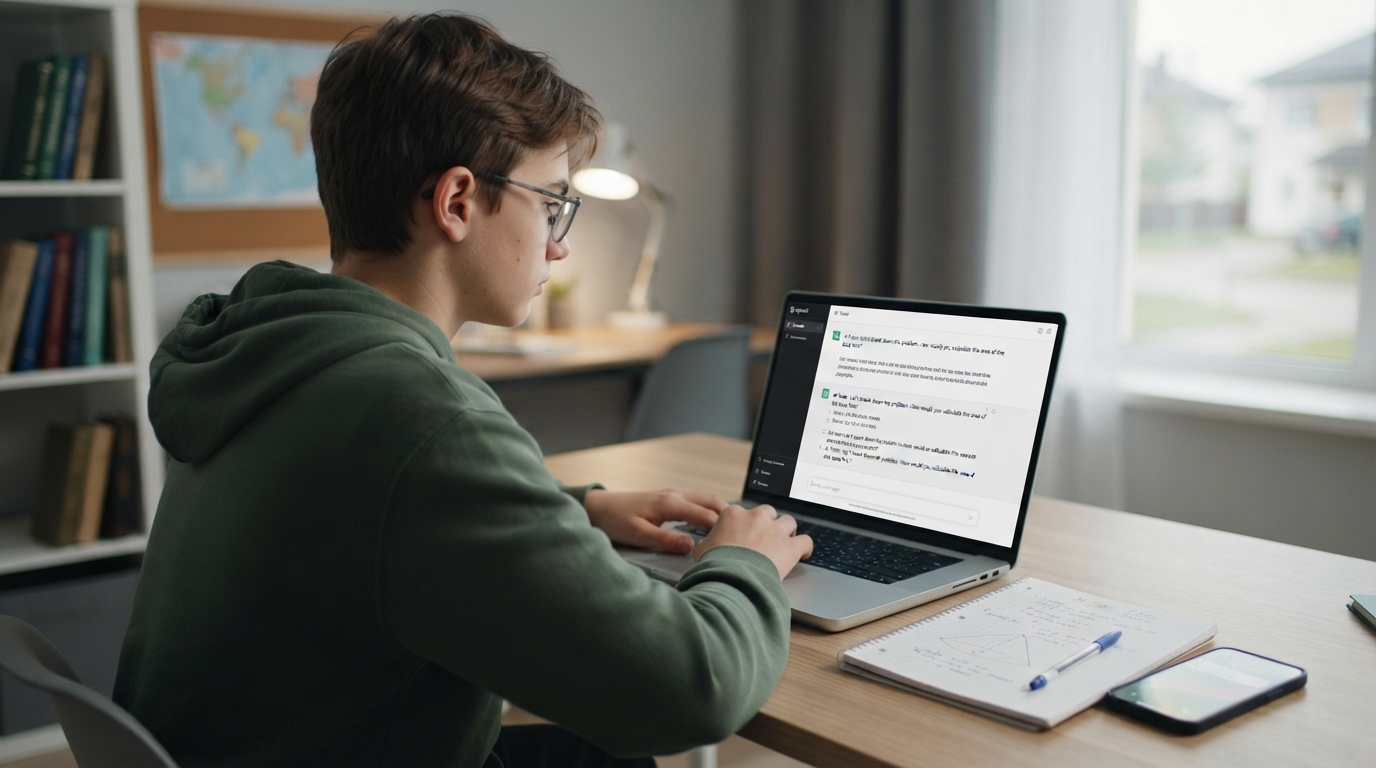
OpenAI will begin rolling out a special version of ChatGPT for teens globally on August 18, the Financial Times (FT) reports. The company is taking this step at a time of growing public concern about the impact of artificial intelligence on minors.
The version designed for teens will have stricter restrictions on self-harm, violence, eating disorders and the creation of sexually explicit images and materials. While the parental control function previously available on ChatGPT sent warnings in highly sensitive situations such as conversations about suicide, these notifications will now also cover topics such as violence and eating disorders. Lauren Jonas, head of the Department of Youth and Families, explained that the introduction of these functions is connected with the company’s desire to find a balance between the right to privacy of teenagers and the seriousness of the harm that can be caused.
The FT notes that the update comes as OpenAI faces a series of lawsuits from families claiming their children were harmed by the chatbot, and is preparing to launch a record-breaking campaign next year. The plaintiffs include the relatives of Adam Raine, a 16-year-old from California who committed suicide after discussing his own death with ChatGPT; the bot gave him detailed instructions, according to court documents. The families of those killed in a mass shooting at a school in Tumbler Ridge, Canada, in February have also filed lawsuits. It is understood that the teenager who committed the attack had shared his intention to commit violence with ChatGPT months before the attack, and his account was blocked, but the company did not report it to law enforcement.
According to OpenAI’s rules, children under 13 are prohibited from using the chatbot, and minors require parental consent. The service determines who to show the teen version to based on the age the user has indicated and a number of indirect behavioral indicators. ChatGPT, designed for teens, provides frequent reminders about breaks and supports “quiet hours” – time intervals that the user or parents can set themselves to limit access to the bot.
The FT writes that the company is trying to separately respond to claims that the neural network’s instant responses are damaging to schoolchildren’s ability to think and learn – an effect called “cognitive relaxation”. In the updated “education mode”, the bot should guide the teenager through the task step by step, instead of giving ready-made answers. According to Jonas, 90 percent of teenagers use ChatGPT specifically for educational purposes, and turning the service into a learning tool is the company's main goal.