

No violations were recorded
Kazakhstan has chosen its Kurultai. The name of the Vice President of Kazakhstan will be announced within the next seven to ten days.
No violations were recorded
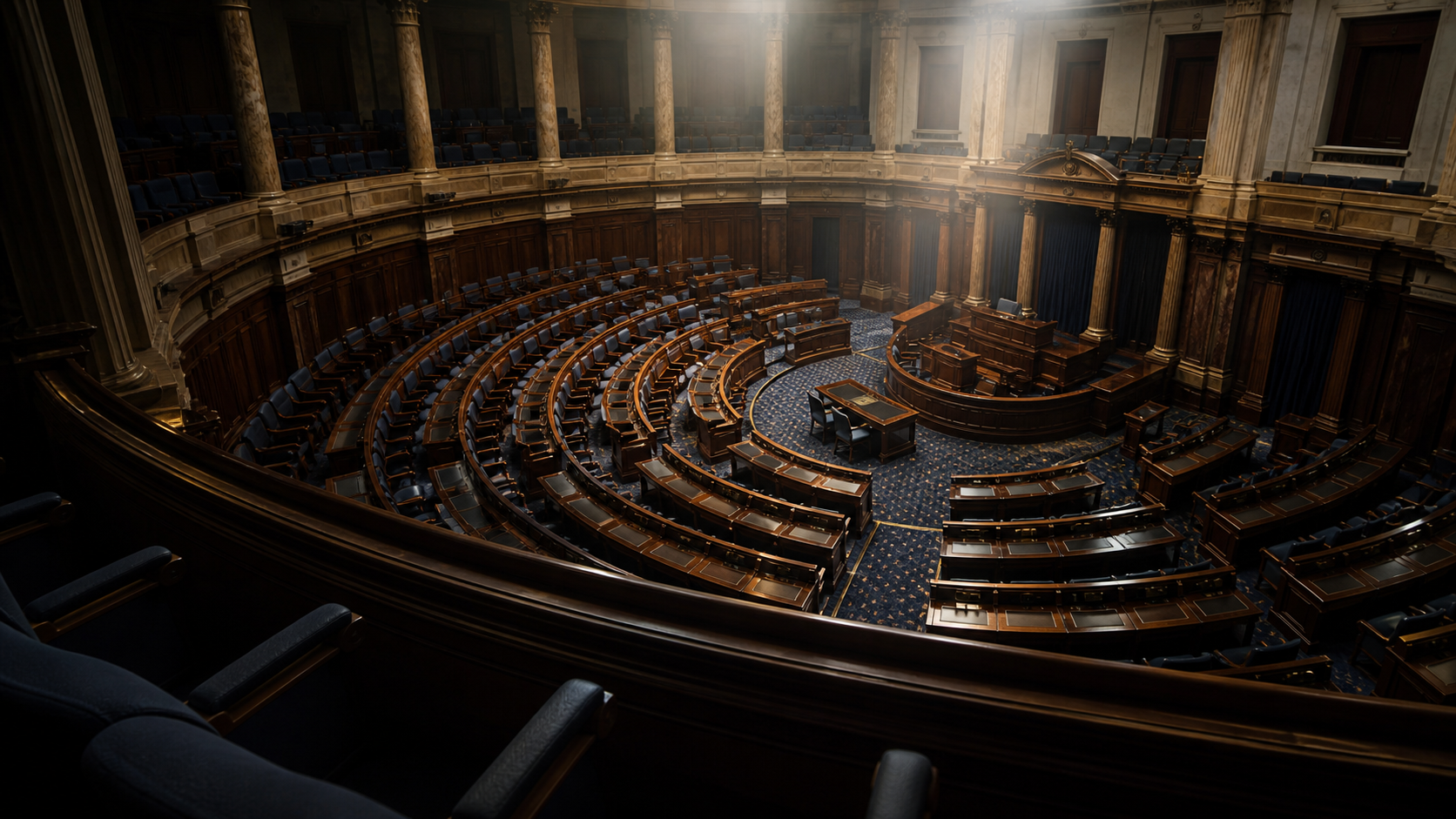
On August 23, Kazakhstan held its tenth parliamentary elections since independence. These elections were the first held under the new Constitution, which came into force this year. Parliament, known as the Kurultai, is now unicameral, and its members are elected exclusively from party lists. Seven political parties were allowed to participate in the vote.
The Central Election Commission of the Republic of Kazakhstan accredited over 700 international observers, many of whom represented regional organizations such as the Commonwealth of Independent States (CIS) and the Shanghai Cooperation Organization (SCO). The SCO mission reported that its observers did not detect any voting violations on August 23.
After the polling stations closed, the Central Election Commission announced that turnout was 74.1%. The highest turnout was recorded in the Turkestan region, where over 92% of citizens voted, while the lowest turnout was in Almaty, where only 43% of voters showed up.
In Kazakhstan, there is no minimum turnout threshold for an election to be declared invalid, so the election results are considered legitimate regardless of citizen turnout. Nearly 62% of the country's population, representing 12.6 million people out of a total of 20.5 million, are eligible to vote.
Seven parties were listed on the ballot, along with a "Against All" option. The following parties were allowed to participate in the elections: Ak Zhol (nominated 63 candidates), Auyl (69 candidates), Adilet (186 candidates), the Green Party Baitak (47 candidates), the People's Party (72 candidates), the National Social Democratic Party (33 candidates), and Respublica (76 candidates).
In total, the parties nominated 545 people. The Kurultai, a unicameral parliament, will have 145 deputies. They are elected for a five-year term under a proportional system, meaning that seats are distributed based on each party's share of the vote.
Previously, under the old Constitution, which repealed on July 1, the lower house, the Majilis, was formed using a mixed system, with the participation of both parties and independent candidates, while the upper house, the Senate, was filled by electors from regional representative bodies, with an additional ten senators personally appointed by the president.
Single-mandate constituencies have now been abolished, and Kurultai deputies are elected from a single nationwide constituency. Parties must overcome a 5% threshold to enter parliament.
Six of the seven participating parties had already been represented in the previous elections. The exception is the Adilet Party. This merger was registered in June and almost immediately absorbed the Amanat Party, which had previously been considered the country's main political force. The leader of the merged party is Aibek Dadebay, the former head of the presidential administration, who was removed from his post shortly before the start of the election campaign. He had worked closely with Kazakh President Kassym-Jomart Tokayev for many years.
The current Kazakh leader cast his ballot at a polling station in Astana and called the recent elections "an important historical event." He emphasized that the vote is only the first step in the broader reforms planned for the country.
Following the conclusion of the vote, President Kassym-Jomart Tokayev spoke with journalists at a briefing.
During the briefing, Khabar TV channel representative Sagynysh Abikei asked the head of state the following question: "You mentioned that the constitutional reform will usher in historic changes, and that large-scale transformations will continue until the end of the year and even into the next. What will change in the republic after the Kurultai, the Kazakhstan Halyk Kenesi, begins its work and the position of vice president is created?"
In response, Kassym-Jomart Tokayev noted that the question about the vice president has been raised by many. He explained: "This is truly an important step. We deliberately enshrined this new position in the Constitution. I am confident that it is highly sought after. In the current difficult circumstances, such a role is especially relevant for our country. We will announce the name of the person who will occupy this post in the next seven to ten days. It is premature to name them now. I can say that this will be a well-known figure to you, someone everyone knows."
Furthermore, the president shared plans for other reform areas. He said: "We will continue to implement other changes. For example, we need to launch a new body—Kazakhstan Khalyk Kenesi. Some citizens, as I know, draw parallels with the Assembly. I believe that this new institution will expand and improve the functions previously performed by the Assembly. Essentially, it is a modern, multifunctional political instrument."
The head of state expressed hope that the work of Kazakhstan Khalyk Kenesi will be effective. He added: "Our plans are quite extensive. As I have already said, Kazakhstan must become a major construction site. Large-scale construction work will be carried out in every regional center, in districts, and in cities. New clinics, rehabilitation centers for children, and other social facilities will be built. A bridge, a Dombra Palace, and a water resources research center will be built in the capital. It's also important to focus on urban improvements and continue the "Taza Kazakhstan" campaign.