

No purchase, no seats: Starbucks China rolls out new policy
Starbucks says it is improving customers' in-store experience as it competes with homegrown rivals.
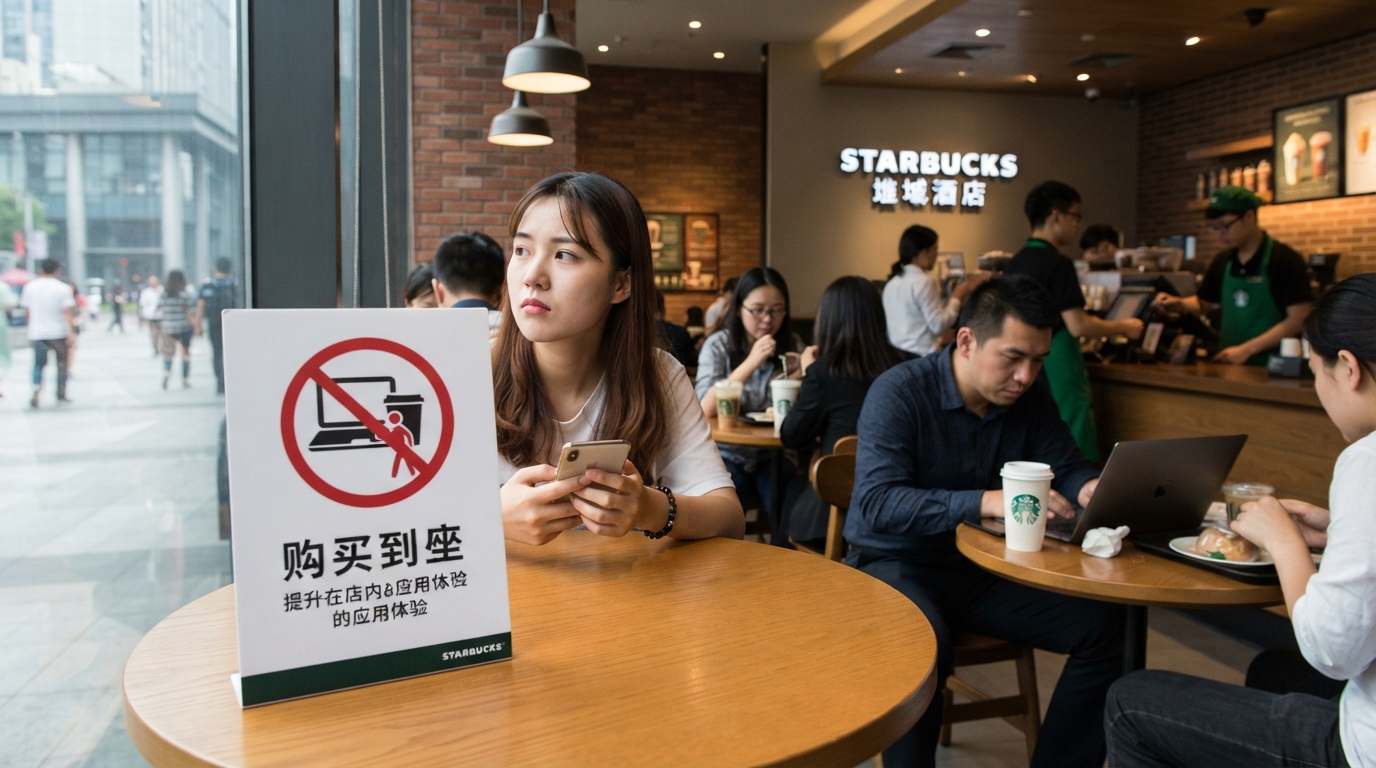
No purchase, no seat: Starbucks China introduces new rule
“Purchase to sit” notices are appearing in Starbucks outlets across China
Starting Thursday, a new Starbucks China policy will apply to all 8,000 of its stores, requiring customers to buy something if they want to sit in the cafes.
Starbucks China said the change is intended to enhance the “in-store experience” for customers. The company is under intense pressure from domestic rivals such as Luckin Coffee.
This week, reports about the policy spread, alongside social media videos showing what seem to be “purchase to sit” signs inside Starbucks stores.
Many users on Chinese social media praised the move.
“Finally, there won't be peak periods where people are just sitting there not ordering anything, drinking Luckin coffee, playing games and yelling on the phone,” reads one of the top-liked comment on Weibo.
Starbucks locations worldwide have been dealing with non-paying seat-hoggers and other unwanted customer behaviour.
Last month, a Starbucks store in Sichuan province drew attention after videos of its outdoor seats and tables wrapped in chains circulated on social media. It appeared to be an effort to prevent people from using the seating without paying.
In South Korea, Starbucks has told customers not to bring “bulky items” into its stores.
In North America, Starbucks ended its open-door policy, which for years let people use its seats and toilets without making a purchase, saying it wanted to “prioritise” paying customers.
Since opening its first store there in 1999, China has become Starbucks’ second-largest market. But in recent years it has faced strong competition from Luckin and other local brands selling cheaper products.
Luckin also has a strong app-based ordering system that emphasizes grab-and-go purchases, challenging Starbucks’ model of a full cafe experience in which customers sit down and enjoy food and drinks.
In 2023, Luckin surpassed Starbucks as China’s biggest coffee chain.
Last year, Starbucks said it would sell a 60% stake in its China business as part of a $4bn (£3.04bn) deal with investment firm Boyu Capital.
In a separate statement on Wednesday, Starbucks China said it planned to add more staff and upgrade digital systems at its stores, among other investments, to “ensure customers receive timely and warm service even during peak hours”.