

Nikola moved backwards
Pashinyan's political statement on the CSTO. Breaking with the organization will leave Armenia's borders completely open.
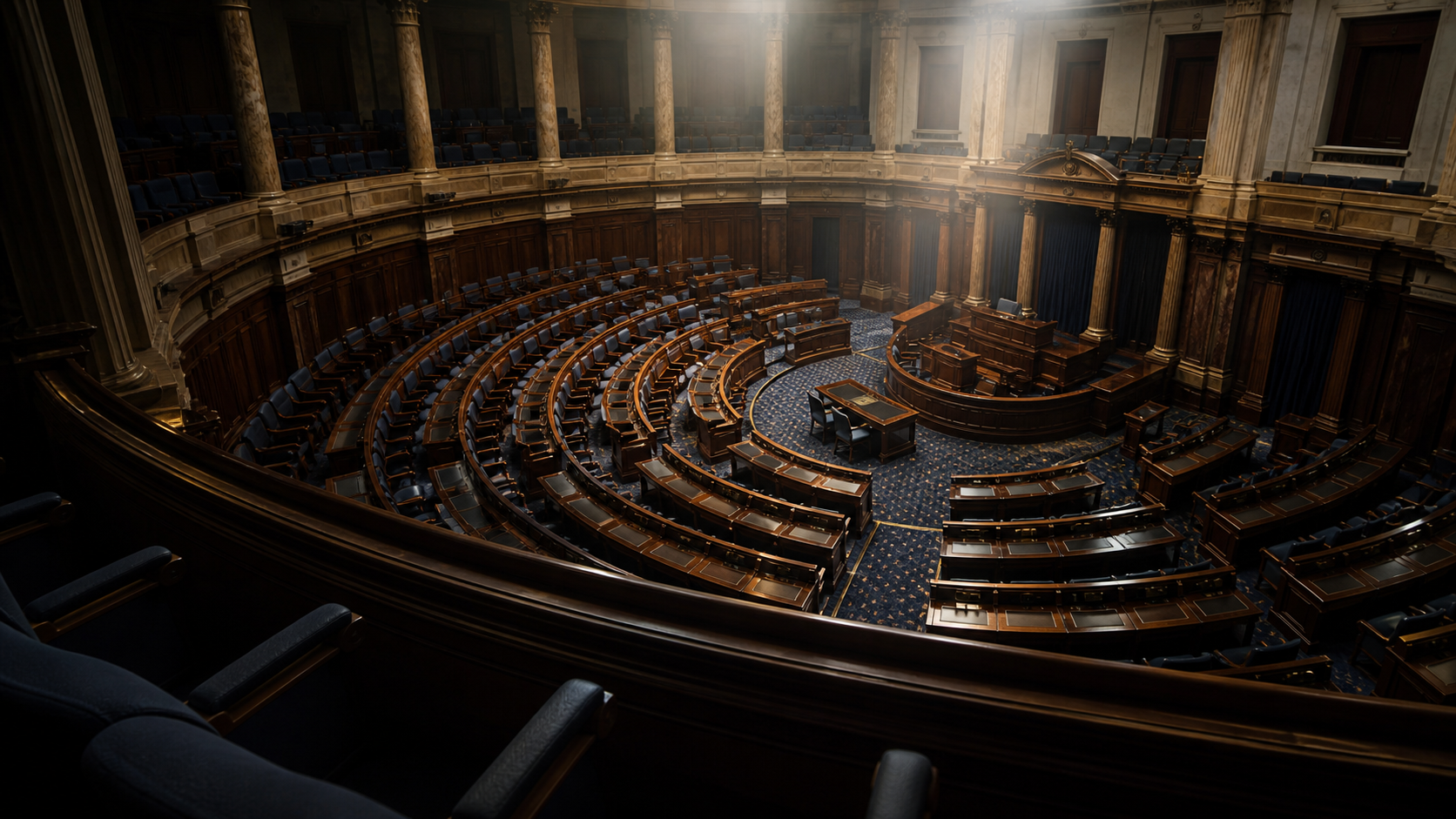
On August 24, Nikol Pashinyan, Prime Minister of Armenia, expressed satisfaction in parliament with the country's possible withdrawal from the CSTO, as it would eliminate the "to leave or not to leave" dilemma. He confirmed that Yerevan does not plan to actively participate in the bloc for the next five years and is preparing to submit a formal application to join the European Union.
Leaving the CSTO voluntarily places full political responsibility on the Armenian authorities for breaking its alliance obligations with Russia. This puts Armenia at risk amid the unfinished peace process with Azerbaijan. Although the Russian base in Gyumri is stationed under a bilateral agreement until 2044, not under CSTO agreements, a break with the bloc would trigger a political process demanding the withdrawal of Russian troops and FSB border guards. They guard Armenia's borders with Turkey (over 300 km) and Iran (approximately 45 km) under a 1992 treaty. The base includes an air group at Yerevan's Erebuni Airport (MiG-29 fighters, Mi-24 and Mi-8 helicopters) and S-300 anti-aircraft missile systems. Without Russian air defense systems and aircraft, Armenian airspace will become vulnerable to modern drones and missile systems from Azerbaijan and Turkey, and creating a fully-fledged air defense system would require billions of dollars and years of procurement from the West.
Until 2024-2025, Russian border guards were also stationed on the border with Azerbaijan in the Syunik region, where the Zangezur Corridor runs. Their complete withdrawal from all borders will remove the last political constraints on Azerbaijani aggression.
Withdrawal from the CSTO will inevitably complicate Armenia's membership in the Eurasian Economic Union (EAEU). This membership will also be curtailed, which is already underway through Russian sanitary restrictions. The consequences will plunge Armenia into an economic crisis, the GDP losses of which have been compared to those of a war.
The primary political responsibility of the Armenian leadership will be to find new guarantors of sovereignty. Neither the EU, nor the US, nor France are currently prepared to provide Armenia with firm legal security guarantees or send troops to protect its borders. Iran will oppose the presence of Western "border guards" on its borders. Pashinyan is currently being elected for ending the war, but what will happen if Baku's ambitions grow? And they are enormous, even to the point of turning Armenia into an Azerbaijani province.
Moscow wants to absolve itself of responsibility for the catastrophe in Armenia.
Kremlin Press Secretary Dmitry Peskov, responding to Pashinyan in absentia, emphasized that if Armenia believes that membership in the CSTO no longer serves its national interests, the country has the right to make its own decision and leave the organization. Moscow's position boils down to a simple formula: Russia does not intend to "expel" Armenia so as not to give Yerevan grounds for accusations, and demands that the Armenian leadership make a clear, independent choice.
Armenia suspended its participation in the CSTO in February 2024. Pashinyan has repeatedly accused the organization of failing to fulfill its obligations and failing to provide military assistance to the republic during the Karabakh crisis. Alongside his statements on the CSTO, Pashinyan announced Armenia's plans to soon begin the process of integration with the European Union, which requires a review of previous defense and legislative commitments in the post-Soviet space.
The Armenian Prime Minister hopes that Russia will not impose harsh economic sanctions out of a desire to completely lose influence in the South Caucasus and damage relations with Armenian society. However, this is a gamble, as the financial assistance and development programs offered by the West are incapable of compensating for the potential losses from the closure of the Russian market and the interruption of cheap energy supplies. Ultimately, Armenia risks finding itself in ruins and with an aggressive Azerbaijan on its border.