

Nepal cracks down on online abuse against flood survivors
Authorities will "show no leniency" to people who "belittle" those who are suffering, the prime minister says.
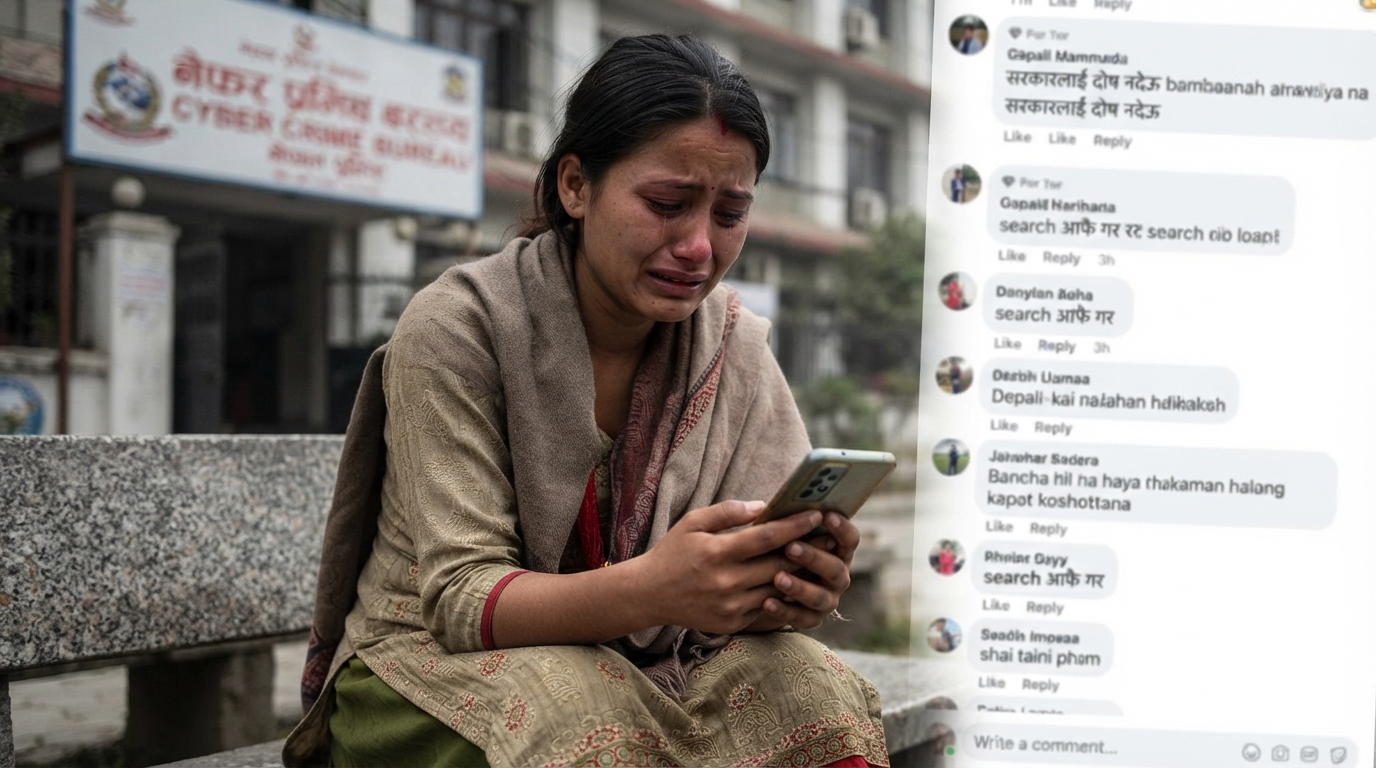
Nepal steps up action against online abuse targeting flood survivors
Nepal is taking a tougher stance on online abuse aimed at survivors of last month’s deadly floods, with Prime Minister Balendra Shah saying authorities will "show no leniency" toward people who "belittle" those who are suffering.
Some people have turned to social media to ask for information about missing loved ones and to press officials to intensify search efforts, only to face hostile responses.
"People who make unnecessary remarks, belittle those in pain or seek to cause them further suffering at this sensitive time are criminals," Shah wrote in a Facebook post.
Nepali police say they are investigating where the comments came from in order to identify addresses and phone numbers.
A woman whose brother has been missing since the floods struck two weeks ago had earlier told the BBC that search and rescue operations were moving too slowly.
"If the government had mobilised experts and equipment for rescue in time, would we have known the condition of our family members sooner?
"We still hope we can find him alive."
A few days later, she said she had "received many nasty comments" after criticising the search efforts.
"We are already suffering so much and this has only added to our pain," she said.
In another case, a young woman voiced anger over what she saw as authorities' "lack of urgency" in looking for her husband.
"My husband is missing now, if the government cannot find him, can it at least show me his body?" she said in a video clip that has gone viral online – and drawn plenty of insults.
One comment, for example, told her to "jump into the river" and help with the search, while another said, "not everything happens just by you putting the blame on the government".
Others, however, have condemned the cruel remarks. "The victim should be consoled at this time, not cursed," one comment said.
Nepali police say they have formed a 10-member committee to examine these online comments.
Under the country's Electronic Transactions Act, people who use social media to defame or harass others can face up to five years in jail and a fine of up to 100,000 rupees ($662; £490), or both.
Dovan Rai, executive director of Body & Data, a Nepal-based non-profit organisation that advocates for a safe digital space, said some of the insensitive comments may have come from social media users who engage in "rage baiting" – people who create negative content as a "bait" to provoke outrage, or to make people click on or share their posts.
They may also have come from "staunch supporters of the government".
"There is also extremism that is very sympathetic to the government and condemns those who question it. That has further polarized the dialogue on social media," she told the BBC.