

Mubashshir Ahmad may be released
Mubashshir Ahmad may be released
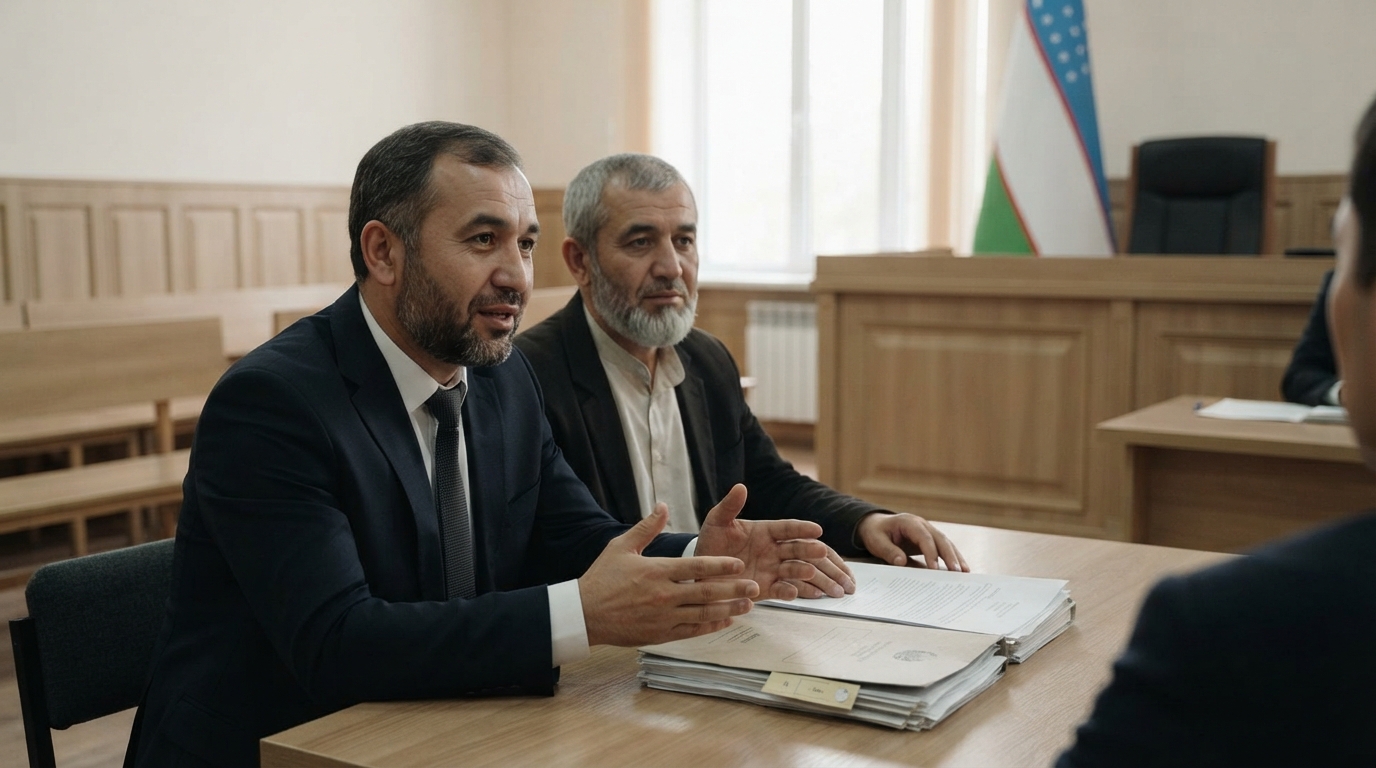
The defense of religious figure Mubashshir Ahmad (Alisher Tursunov) hopes to secure his release during the consideration of the cassation appeal. The lawyers have submitted additional documents to the court and expect their arguments to serve as grounds for overturning the conviction.
Lawyer Abdulloh Sodiq stated that documents were attached to the appeal which, in the defense's view, could serve as grounds for Tursunov's acquittal. Some of these materials had already been presented during the proceedings in the court of first instance. Now, the lawyers expect the court to re-evaluate them taking into account the additional documents.
According to the defense, there was no intent in Mubashshir Ahmad's actions to incite national and religious enmity. The lawyers also note that he recorded his speeches while in Turkey and was unaware of the requirement for a separate permit to distribute such content in Uzbekistan.
The cassation appeal is being considered by the Shaykhantakhur District Court. If it is fully satisfied, the lawyers expect Tursunov to be released directly in the courtroom. A final decision has not yet been rendered.
As a reminder, on May 8, 2025, Alisher Tursunov was detained in Istanbul, and on May 10, he was brought to Uzbekistan. In August of the same year, the consideration of the criminal case began in the Uchtepa District Court of Tashkent.
On October 8, 2025, the court found Tursunov guilty under Articles 156 ("Incitement of national, racial, ethnic, or religious enmity"), 244-1 ("Production, storage, distribution, or demonstration of materials containing a threat to public security and public order"), and 244-3 ("Illegal production, storage, importation, or distribution of religious materials"). He was sentenced to two years and six months of imprisonment to be served in a general-regime penal colony. The prosecutor had previously requested a seven-year sentence.
In February 2026, Tursunov was transferred from a colony in Navoiy Region to a specialized medical colony in Tashkent. This was due to the need for medical examination and treatment for severe diabetes.