

Mount Fuji pics, life-changing ramen and a weak yen - why young Brits are going to Japan
Photos of Mount Fuji, bowls of ramen and the bustle of Shibuya Crossing are filling up social media feeds.
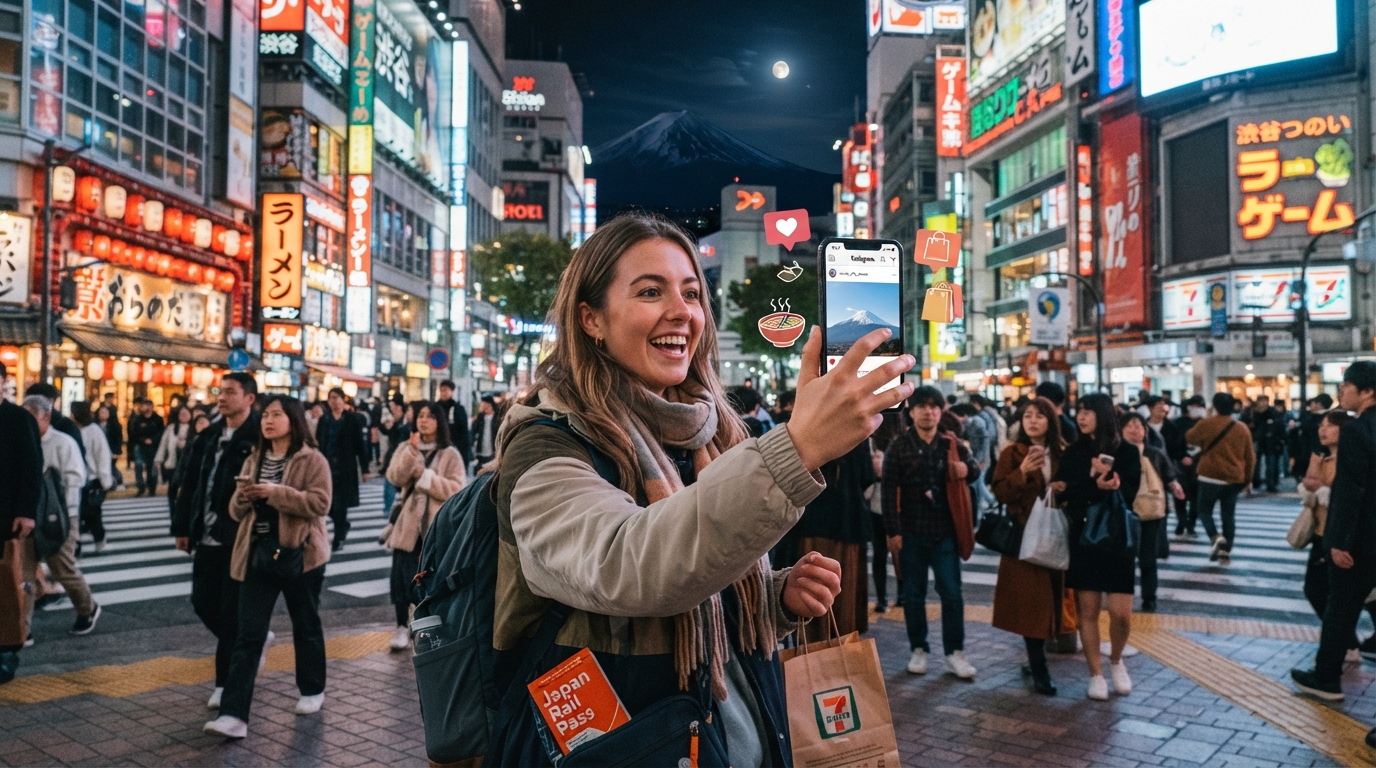
The allure of Japan, fueled by captivating social media posts, a favorable exchange rate, and the promise of "life-changing ramen," is drawing a growing number of young Britons to its shores. Maitri Sanghvi, like many others, found her desire to visit rekindled by the constant stream of Japanese holiday snaps on her social media feeds.
Alex Baker, who has already made three trips to Japan, notes the pervasive influence: "I cannot scroll through TikTok or Instagram without seeing videos of people in [convenience store] 7-11 and trying all the different skincare and trying all the snacks and the viral sandwiches and the viral drinks and going to all the viral restaurants." This burgeoning interest is reflected in tourism statistics, with 483,157 British tourists visiting Japan in 2025, marking a 24.8% increase from 2024 and a 40.8% rise compared to the pre-pandemic benchmark of 2019. Provisional data for 2026 indicates continued growth, mirroring a broader post-pandemic surge in international visitors to Japan, which saw a record number in 2025.
Young British travelers in their twenties and thirties cite a diverse range of attractions, including cityscapes, cuisine, anime, nature, history, gaming, and temples. However, they largely agree that social media is the primary catalyst for this travel trend. Maitri Sanghvi, 24, explained that Japan "just kept popping up" on her TikTok feed, ultimately prompting her and her boyfriend to embark on a three-week trip earlier this year. "Seeing [Japan] on social media restarted my urge of wanting to go," she stated.
A quick search for #japantravel on TikTok or Instagram reveals a plethora of content: majestic views of Mount Fuji, steaming bowls of ramen, suggested itineraries, picturesque villages in the Japanese Alps, the iconic Fushimi Inari torii gates in Kyoto, the vibrant neon lights of Osaka's Dotonbori, and the bustling Shibuya Crossing. Aden Ibrahim, 29, confirmed, "Seeing other people's Japan videos definitely influenced my decision to go." Since his trip with friends last July, Aden has uploaded dozens of TikToks, one of which, captioned "Japan made it out the group chat," has garnered 1.1 million views.
While international travel to Japan isn't inexpensive, with return off-peak flights with a layover in China starting around £450 with a budget airline, the weakening yen makes on-the-ground expenses more affordable for tourists, even as it impacts local residents. In July, the yen reached a 40-year low. Faye Jawad, 26, a TikTok restaurant reviewer who visited Japan last year, highlighted the value: "You can literally get a bowl of life-changing ramen for £3/£4 compared to a rubbish one here for like £20." Vivek Haria, 26, who has a trip planned for this autumn, noted, "When the yen was weakening, I thought 'actually this is a good time to go, things are going to be cheap'." Haria, who has a long-standing interest in Japanese culture, including learning the language and singing in the UK-Japan Choir, found the favorable exchange rate an added incentive.
The affordability has also led to a surge in souvenir purchases, with "Japan haul" videos showcasing flavored KitKats, stationery, and clothing becoming popular on social media. Sam Corbett, 23, bought so many souvenirs during his May trip, including snacks, matcha, clothes, and skincare, that he had to purchase an additional suitcase to accommodate them, noting everything was "really affordable."
Most British visitors tend to follow the "Golden Route" – Tokyo, Kyoto, and Osaka – often with day trips to nearby destinations such as Nara, Hiroshima, and Mount Fuji. This route is popular due to its ease of travel between cities and its concentration of major attractions.
However, the influx of tourists has led to concerns about overtourism and visitor behavior. Chiyuki Izumii, a tour guide for the Japan Guide Agency, has observed a decline in tourist conduct in recent years. While her own clients are respectful, she has witnessed other tourists cutting queues for buses, obstructing space with large suitcases, carving initials into trees in Kyoto's bamboo forest, speaking loudly at night, and entering restricted areas for photographs.
In response, some authorities are implementing stricter measures. Fujikawaguchiko, a town near Mount Fuji, canceled this year's cherry blossom festival due to repeated issues with misbehaving tourists. Tokyo's Shibuya ward, home to the famous Shibuya Crossing, began issuing on-the-spot fines for littering in June. In July, Japan increased its international tourist tax, typically included in flight and boat tickets for those departing Japan, from 1,000 yen (£4.60) to 3,000 yen, with the revenue earmarked for public transport improvements and the restoration of historic sites.
Some visitors have been taken aback by the sheer crowds in major Japanese cities. Millie Dring, a devoted anime fan who visited in November for her 21st birthday, remarked, "I was prepared for it to be busy but I didn't expect it to be as busy as it was." At the DisneySea theme park near Tokyo, Millie and her friend only managed one ride due to a three-hour queue and felt overwhelmed by the crowds.
Sam attributes some of the congestion at tourist hotspots to social media hype, expressing regret for visiting certain places solely because of their online popularity. He recalled a dessert spot in Kyoto, seen "all over social media," that was extremely busy with "not a single local person in the queue." Similarly, sites like the Hakone torii gates and Arashiyama bamboo forest were packed with people vying for "Instagram-perfect" photos.
Despite these challenges, some visitors embrace the bustling atmosphere. Laura McGregor, 29, who is spending two weeks in Tokyo and Osaka in November for her honeymoon, plans to visit Disney and Universal, attend a sumo event, see Mount Fuji and Hiroshima, and even hire go-karts to drive around Tokyo. She commented, "I think there's a snobbiness around being a tourist over the past couple of years where people want to avoid looking like one." She added, "Of course I want to experience an authentic side of Japan but I'm excited to embrace the tourist side too and go along with it."