

More than 900 attacks on hospitals in 2026 — WHO
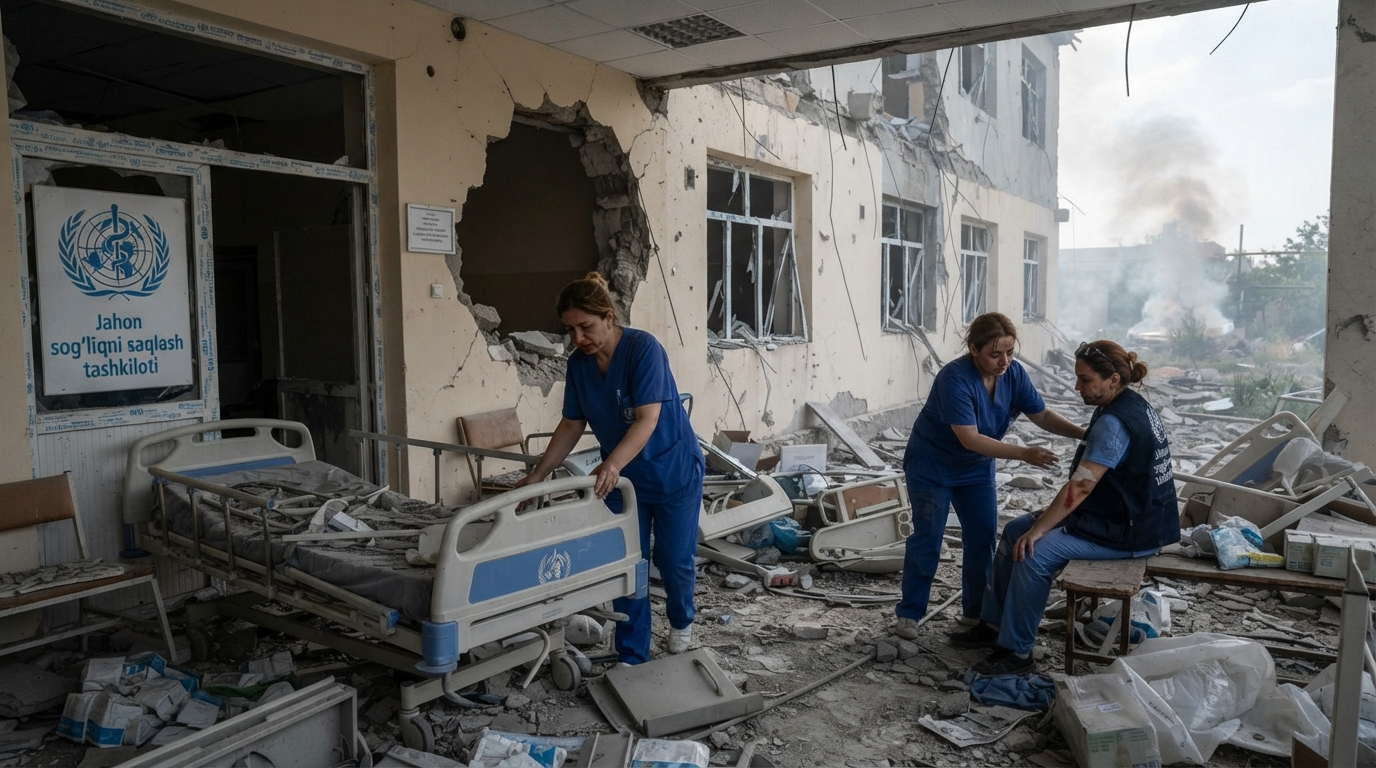
**WHO: Over 900 attacks on hospitals in 2026, 911 people killed**
According to the World Health Organization (WHO), there were 914 attacks on health facilities and personnel in 2026. According to the data released by the United Nations, at least 911 people died and 1,486 were injured as a result of these attacks. This means that an average of more than four attacks occurred every day.
There were also 44 cases of kidnapping, arrest and detention of health workers and patients during this period. The majority of these cases involved the detention of health workers, resulting in 94 victims.
Altaf Musani, WHO’s Director of Humanitarian Affairs and Disaster Management, said that since 2018, more than 10,400 attacks on health facilities have been documented. These attacks have resulted in an estimated 5,700 deaths and 8,500 injuries.
Ukraine, Lebanon and the occupied Palestinian territories were the countries most affected by attacks on health facilities in 2026. Attacks on health facilities were also recorded in Myanmar, Iran, Sudan, the Democratic Republic of the Congo, South Sudan, the Russian Federation, Syria and Nigeria. WHO continues to record attacks on health facilities throughout the Middle East, including in Lebanon, Israel and Iran.
The most common type of attack in 2026 was heavy weapons. WHO noted that when a hospital is attacked, it is not just the people inside who are affected. This means that in the days following an attack, patients are unable to receive essential services, healthcare workers are out of work, and supplies of vital medicines are cut off.
On the issue of holding perpetrators accountable, Mousani stressed that the organization lacks neither the authority nor the necessary rights to do so. According to him, "unfortunately, not a single person has been held accountable for more than 10,000 confirmed attacks."
Earlier, the WHO reported that 200,000 people had died in Europe from heat in the past four years. According to Hans Kluge, the organization's regional director for Europe, heat-related deaths have increased by 30 percent in the past 20 years.