

More than 100,000 people in Japan are now aged 100 or older
Figures show 88% of the centenarians are women as the population continues to age and shrink.
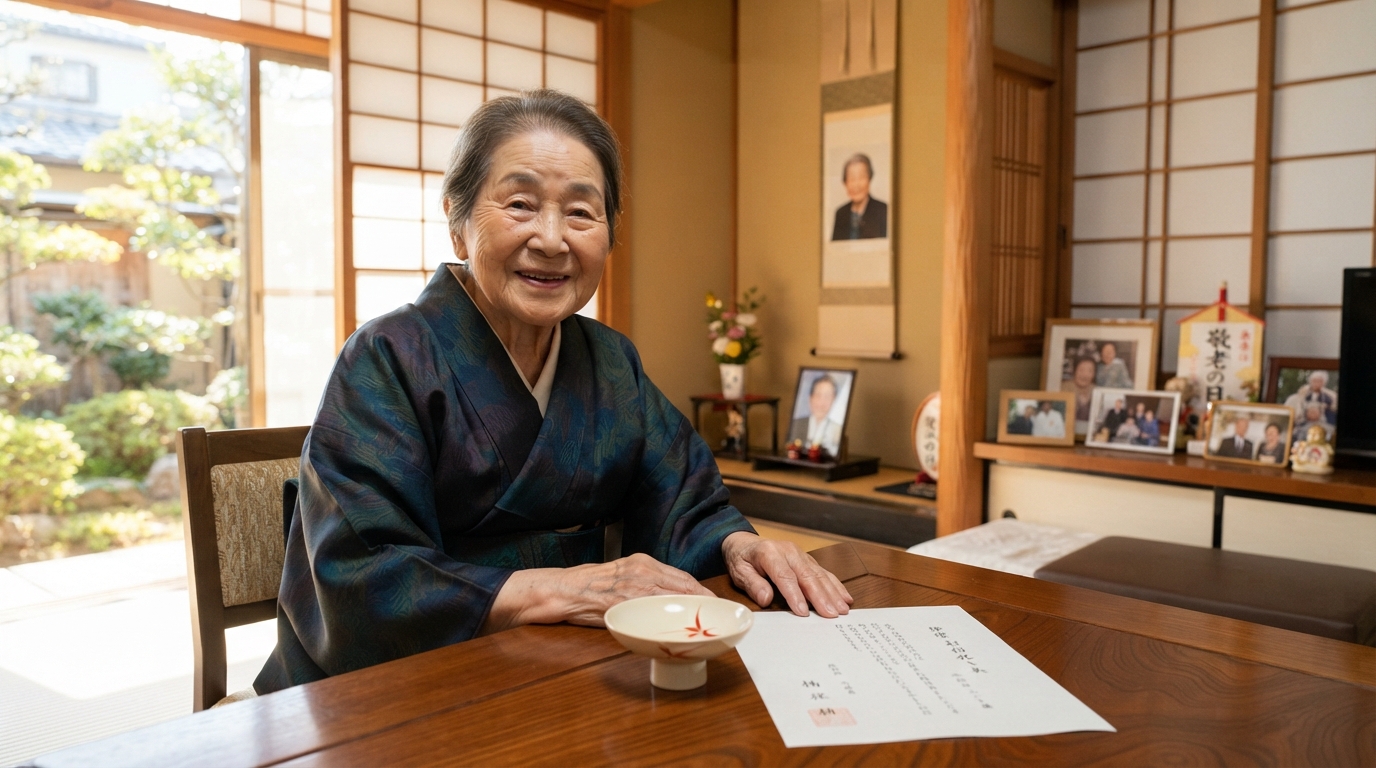
More than 100,000 people in Japan are now aged 100 or older
When records started in 1963, Japan had just 153 centenarians; today that number has reached 107,677.
For the first time, the number of people in Japan aged 100 or above has passed 100,000, the health ministry said.
The figures show that Japan now has 107,677 centenarians, the most of any country in the world, and 88% of them are women. The oldest woman is Kishimoto Fuyo, 114, from Kyoto City, while the oldest man is Kato Hikaru, 112, from Kumamoto.
Health Minister Kenichiro Ueno said he was "delighted that so many people are living long, healthy and active lives", pointing to advances in medicine and technology.
But Kenichiri also cautioned about the difficulty the country faces in keeping a sustainable social security system.
Experts attribute Japanese longevity to a number of factors, including a healthy diet and an active way of life.
The island country's diet is mainly made up of fish, vegetables and rice, and contains less saturated fat than many Western diets.
Older people also commonly walk, use public transport, cycle and stretch.
Japan has been ageing for years, and sales of adult nappies have outstripped those for babies for more than a decade.
Companies have also created new products for older people, including a powered exoskeleton to help move different parts of the body and eyewear that automatically adjusts its focus.
Japanese people's diets - largely consisting of fish, vegetables and rice - are thought to contribute to living longer
To keep a population stable, each woman needs to have 2.1 children on average. Last year, Japan's total fertility rate fell to a record low of 1.14.
According to data from the National Institute of Population and Social Security research, the total population is projected to fall to 87 million by 2070, a 30% drop from its peak of 128 million in 2008.
People aged 65 and over currently account for about 30% of the population and are expected to rise to nearly 40% by 2070.
Japanese authorities have described the trend as an "existential crisis", with Prime Minister Sanae Takichi calling the decline a "quiet emergency".
In 2025, Japan's total population fell in all 47 prefectures except two, and the pace of decline is speeding up.
The government's many programmes and subsidies aimed at encouraging young people to have more children do not appear to be raising birth rates.
Experts say the causes are complicated, ranging from lower marriage rates and more women entering the workforce to the higher cost of raising children.
Although immigration has increased in recent years, foreigners still make up only around 3% of the population, and resistance to accepting more has grown.
Migration to Japan has risen in recent years but remains low compared with other major economies
When Japan launched its centenarian survey in 1963, there were 153 people aged 100 or over. That number climbed to 1,000 in 1981 and reached 10,000 by 1998.
The latest figures were published ahead of Japan's annual "Respect for the Aged" public holiday, when the government honours people turning 100 with a personal letter and a traditional sake cup.
Previous studies have questioned the reliability of global centenarian totals, saying data errors, unreliable public records and missing birth certificates may explain the inflated numbers.
A government audit of family registries in Japan in 2010 found more than 230,000 people listed as being aged 100 or older who could not be accounted for, some of whom had died decades earlier.
The errors were blamed on patchy record-keeping and suspicions that some families may have tried to conceal the deaths of elderly relatives in order to claim their pensions.