

Life imprisonment for the rape of children under the age of 14 is proposed in Uzbekistan
Deputies of Uzbekistan have adopted in the first reading a bill on life imprisonment for especially grave sexual offenses against children. The president instructed to prepare such amendments back in February with a deadline of April 1. The document reached its first reading only on September 29.
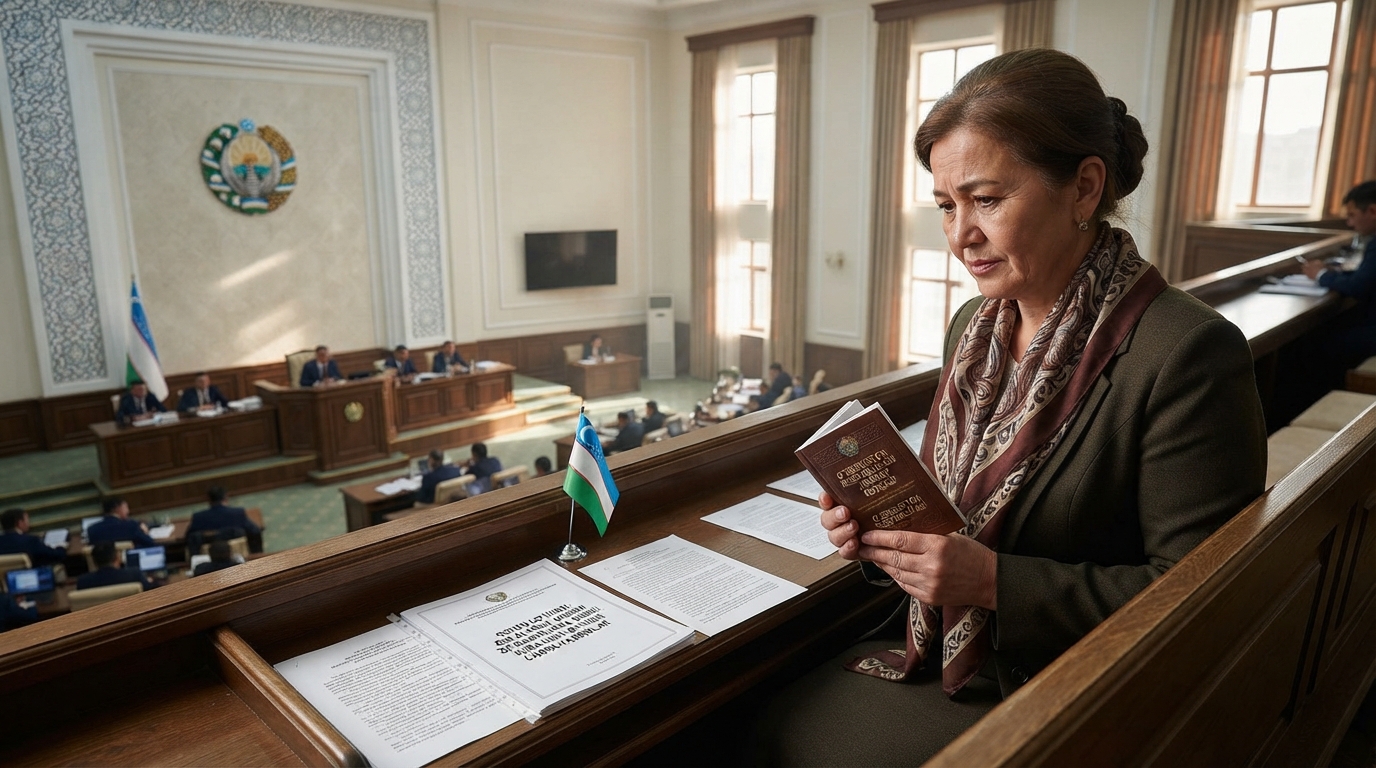
Life imprisonment for the rape of children under 14 proposed in Uzbekistan
Uzbekistan intends to toughen liability for especially grave sexual crimes against children, including establishing life imprisonment for the rape of a child under 14. The corresponding draft law was adopted in the first reading by the Legislative Chamber of the Oliy Majlis on September 29.
The document was initiated by the faction of the "Adolat" party. It is aimed at improving the system of protecting children from all forms of violence. The amendments are proposed to be made to the Criminal and Criminal Procedure Codes, the Code of Administrative Liability, and a number of other legislative acts.
The draft law provides for a significant tightening of punishment for especially grave crimes of a sexual nature against minors.
In particular, for the rape of a person under 14, or the forcible satisfaction of sexual desire in an unnatural form, it is proposed to impose a long prison term or life imprisonment.
In addition, persons who have committed crimes against the sexual freedom of children will not be eligible for release from criminal liability due to the expiration of the statute of limitations. They will also not be subject to release from punishment due to the expiration of the statute of limitations for its execution.
The preparation of these amendments was envisioned by the presidential decree of February 16, 2026 (UP-22) on the implementation of the "Uzbekistan – 2030" Strategy. The document instructed the creation of an effective system to counter violence against women and children and, in particular, to establish punishment up to life imprisonment for sexual crimes against children under 14.
The deadline for the execution of this instruction was set for April 1, 2026.
The Legislative Chamber adopted the draft law with the corresponding amendments in the first reading on September 29 — almost six months after the established deadline.
The decree also provided for the transfer of investigations of sexual and violent crimes against minors to the prosecution authorities, and the consideration of cases of violence against children and women by specially trained investigators and judges.
A separate block of amendments concerns the protection of the child during the investigation and trial. It is proposed to make video recording of the interrogation of minor victims of violence mandatory.
Confrontations between a child who has fallen victim to a crime against sexual freedom and a suspect, accused, or defendant are proposed to be conducted under a special procedure.
If the violence was committed by a person close to the child, a representative of the guardianship and trusteeship authority must participate in the pre-trial proceedings and trial.
It is also proposed to provide state-funded legal aid to children who have suffered from violence or witnessed it, regardless of the family's financial situation.
The draft law provides for liability not only for those who committed violence, but also for those who improperly performed their duties to protect the child.
In particular, it is proposed to establish liability for improper care of a child, non-execution of decisions of commissions on child issues, or obstructing their execution.
It is also proposed to consider the intentional infliction of grave or moderate bodily harm to a minor and the commission of lewd acts against a child under 16 by a group of persons as aggravating circumstances.
In addition, it is planned to increase the punishment for involving a minor in antisocial behavior.
Certain norms concern the responsibility of parents and educational institution employees.
It is proposed to toughen administrative punishment for failure to perform duties in raising children, sexual harassment, and violation of the legislation on the marriageable age.
If a teacher commits violence against a child during the educational or upbringing process, it is proposed to establish this as a ground for termination of the employment contract at the initiative of the employer.
The draft law also introduces liability for violating the requirements of legislation on protecting children from information that may cause harm to their health.
As noted at the meeting, the authors of the document expect that the amendments will strengthen the protection of the life, health, honor, and dignity of children, prevent violence, and ensure the restoration of the rights of victimized minors.
The discussion on tightening the legislation is taking place against the background of a high-profile case of sexual violence against a 5-year-old female pupil of a state kindergarten in the Uchkurgan district of the Namangan region. On September 12, a criminal case was initiated under Part 4 of Article 118 of the Criminal Code (rape of a person under 14 years of age), and kindergarten employee K. M. was taken into custody.
She also announced the preparation of proposals for the maximum tightening of liability for such crimes.
At the beginning of 2025, the Nemolchi.uz project pointed to cases where sexual crimes against children were qualified as administrative sexual harassment, allowing the perpetrators to escape criminal liability.
In world practice, child protection is based on strict standards, protocols, and regulations that are mandatory for all institutions and their employees.