

Latvia plans to ban bus services to Russia and Belarus from January 2027
Latvia plans to ban bus services to Russia and Belarus from January 2027
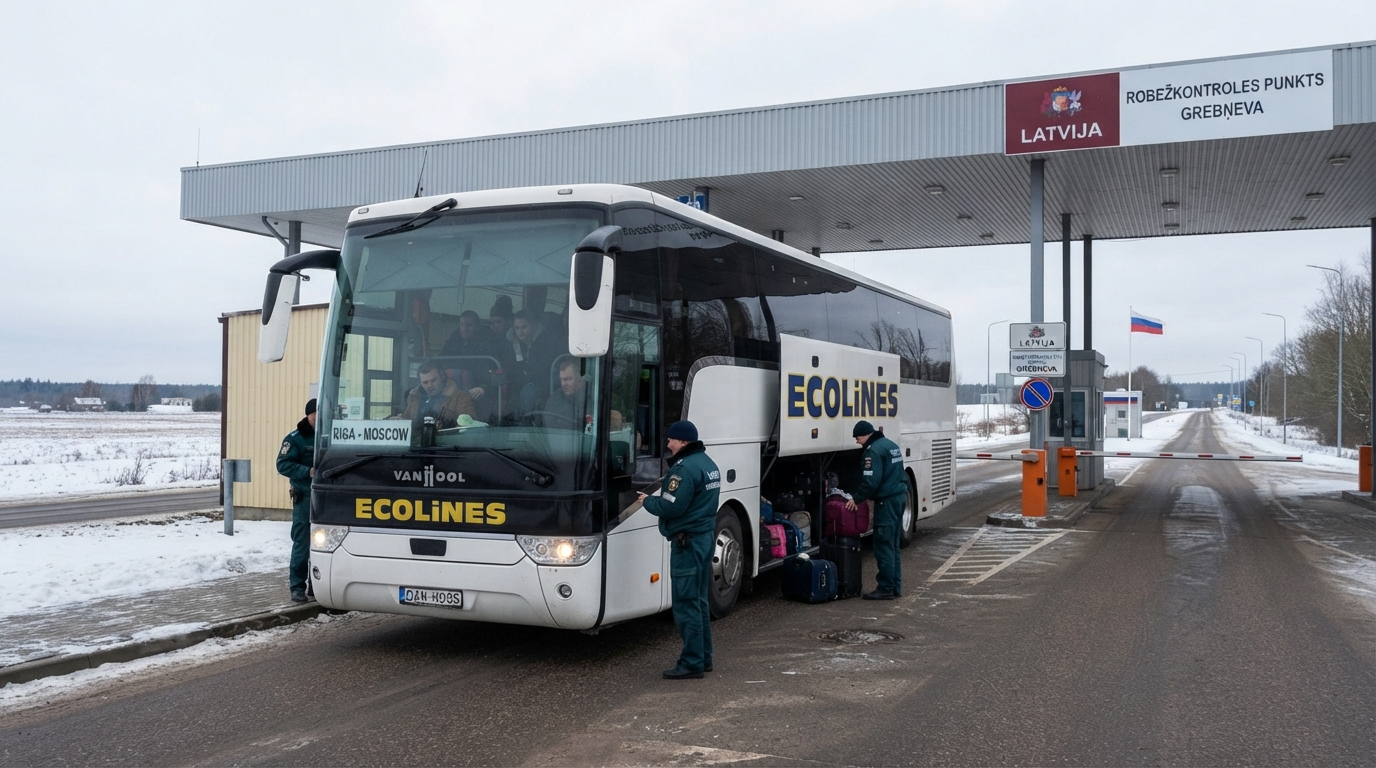
Latvian authorities intend to ban regular bus services to Russia and Belarus, including transit routes passing through the country's territory. The Ministry of Transport has prepared relevant amendments and submitted them to the government for consideration.
Currently, there is one regular bus route between Latvia and Russia. It is operated daily by the company Norma-A, which runs under the Ecolines brand. The permit for this route is valid until January 9, 2027, and there are no plans to extend it.
Latvian authorities had banned irregular bus passenger services to Russia and Belarus from November 1, 2025. This ban will remain in force until October 31, 2026. It is envisaged to extend it for another year.
The Ministry of Transport stated that the actual impact of the restrictions placed on regular services departing from Latvia is incomplete. This is because passengers can use connecting routes through Estonia and Lithuania, as well as minibus services that are not subject to the regulations governing bus transport.
Therefore, the Ministry of Transport continues to study security, the economic situation, and international obligations. To reach a final decision, this issue will be resolved in coordination with the Baltic countries and the European Union.
Latvian authorities have repeatedly urged the population to refrain from traveling to Russia and Belarus. The State Security Service, meanwhile, has warned of the risk of recruitment into the army.
In May 2026, when reports emerged about plans to ban regular bus services from Latvia to Russia, the carrier Ecolines estimated the direct loss from this at approximately four million euros per year. Additional losses due to the idling of the bus fleet would amount to about two million euros per year.
Regular bus services are considered one of the cheapest options for traveling from European countries to Russia and Belarus. However, bus passengers often have to wait for many hours at border checkpoints. This is partly due to checks by Russian special services.
The list of banned goods included books, newspapers, and other printed products. Clothing, footwear, headwear, toys, games, and sports equipment also fell under the ban. The restriction applies not only to direct imports but also to shipments sent from third countries.