

Israel continues to expand its control zone in Gaza despite the truce
The ceasefire agreement between Israel and Hamas has been practically on paper for almost a year. However, Israel is expanding its control zone in Gaza and says it has no intention of leaving these areas anytime soon.
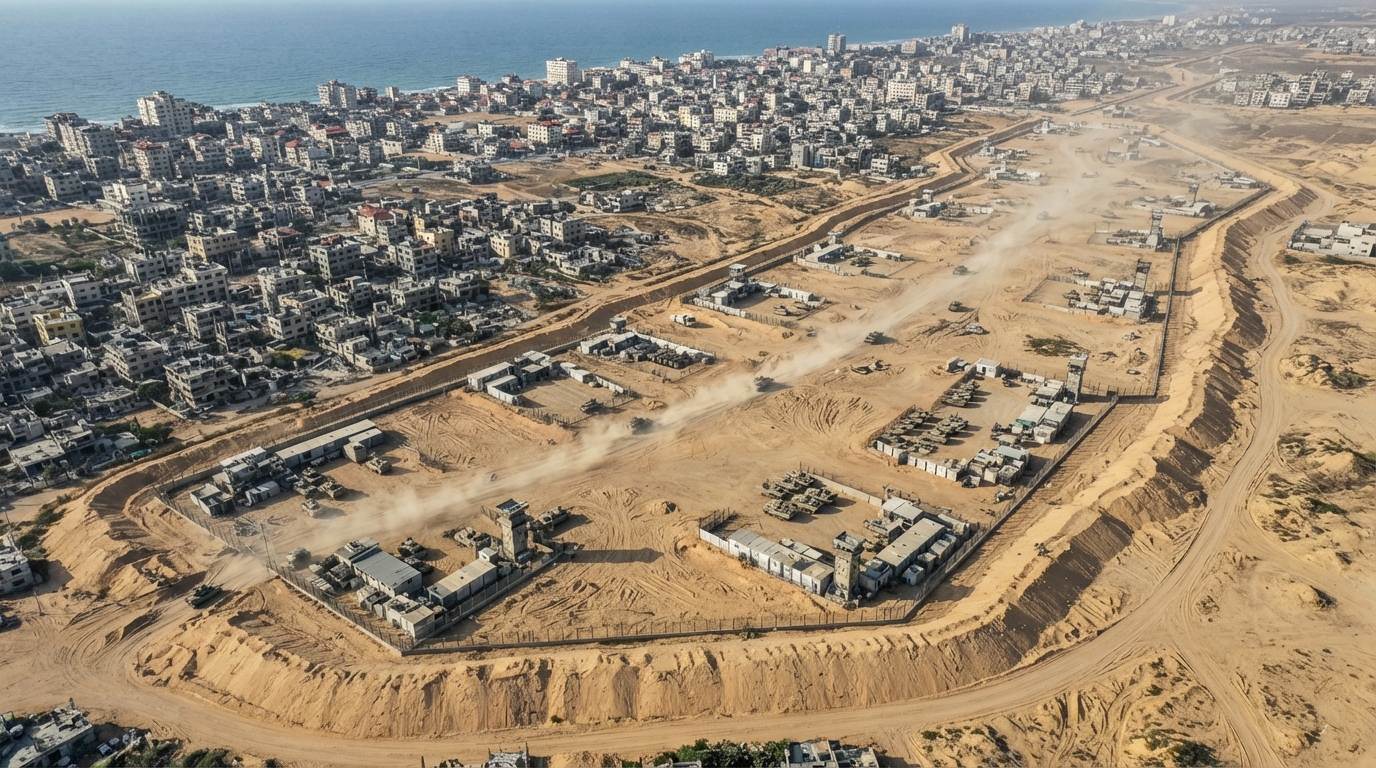
Israel continues to expand its control zone in Gaza despite the ceasefire
According to satellite imagery analyzed by the New York Times, Israeli troops have consolidated their positions and established at least 12 military posts since the ceasefire. They have also crossed the agreed withdrawal line, penetrating even deeper into the sector.
The US-backed ceasefire took effect in October 2025. Under it, nearly half of the Palestinian enclave — the Gaza Strip — remained under Israeli control. However, in May of this year, Israeli Prime Minister Benjamin Netanyahu said the Israeli military controlled about 60 percent of the territory. He also openly expressed plans to occupy an even larger portion.
Analysts, diplomats, and Gaza residents believe Israel's post-ceasefire actions appear to be further cementing the division of the territory. In fact, the ceasefire had temporarily split Gaza into two parts. Now, the Israeli-controlled area is expanding, while the Hamas-ruled portion is shrinking. The vast majority of Gaza's two million residents live in this very small area.
If the ceasefire process continues, Israel could still withdraw from Gaza. However, work on the subsequent phases of the ceasefire appears to have stalled. In July, US officials said an agreement had been reached with Hamas on surrendering weapons. However, Netanyahu rejected this plan. He refused to withdraw troops until the Palestinian group is "genuinely disarmed."
In a statement, the Israeli military said it is building bases in Gaza "in accordance with its defense concept, operational needs, and the ceasefire agreement." The military added that these bases are designed to protect both Israeli troops and nearby residential areas.
However, Israeli soldiers have not limited themselves to building military posts in Gaza. They have relocated barriers, built dirt mounds, and restricted access to certain areas.