

Iranians urged to reduce gasoline consumption
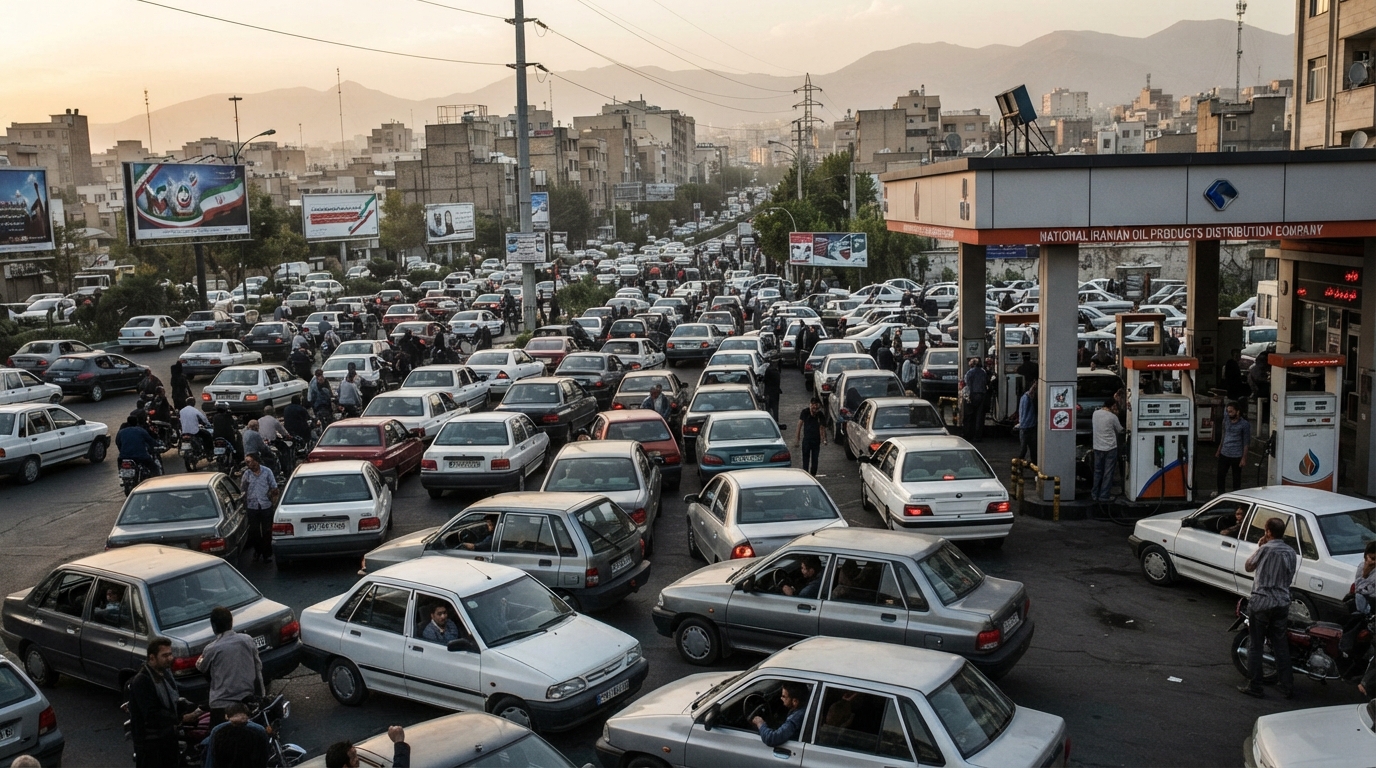
Iranian citizens are being urged to reduce their gasoline consumption, a senior official said on September 1. The country is facing difficulties importing fuel due to a US-imposed naval blockade, which is preventing it from meeting demand, Al Arabiya reported.
“Of course, part of the responsibility for this high consumption does not lie with our people, but with our industry,” parliament speaker and chief negotiator Mohammad Bagher Ghalibaf said in a televised address. “But we must save gasoline in any case.”
Washington imposed a naval blockade on Iran in response to Iran’s blocking of the Strait of Hormuz, a vital oil and gas shipping route through the Persian Gulf. The US also recently announced sweeping new sanctions aimed at further isolating Iran’s economy. Meanwhile, long lines of cars have been seen at gas stations in Tehran in recent days.
Iranian Vice President Mohammad Jafar Ghamfana said last week that domestic gasoline production is insufficient, saying, “We cannot import gasoline due to the US naval blockade.”
The statement came days after the Iranian president’s chief of staff announced a review of gasoline quotas. Ghalibaf said saving fuel would require the people’s solidarity and common sense. “If we use it properly, we can manage the situation with the amount of gasoline we produce in the country,” he said.
High inflation and a weakened economic outlook, fueled by the war, are weighing on many Iranians. Ghalibaf also announced plans to expand subsidies. “The government and parliament have decided to increase the amount allocated to the electronic food subsidy program. This is especially intended for the lower income groups, who are bearing the brunt of the economic pressure,” he said.
Demonstrations that began in December 2025 over economic problems eventually turned into a large-scale anti-government protest movement. This situation reached its peak in January and was later suppressed. In his call, Ghalibaf emphasized that the welfare of the population is a priority. “In fact, all our efforts as officials should be focused on reducing the pressure on the people. Then there will be less protest. Because the consent of the people is a fundamental principle for us,” he said.
Earlier, Iran announced that it has sufficient foreign exchange reserves despite US sanctions. The head of the country’s Central Bank said he was ready to allocate up to $2 billion to stabilize the foreign exchange market. He acknowledged economic difficulties but stressed that the country's financial system had not collapsed.