

Intelligence data on Russian strikes is not being provided to Ukraine
Elon Musk, meanwhile, slowed down the performance of Starlink.
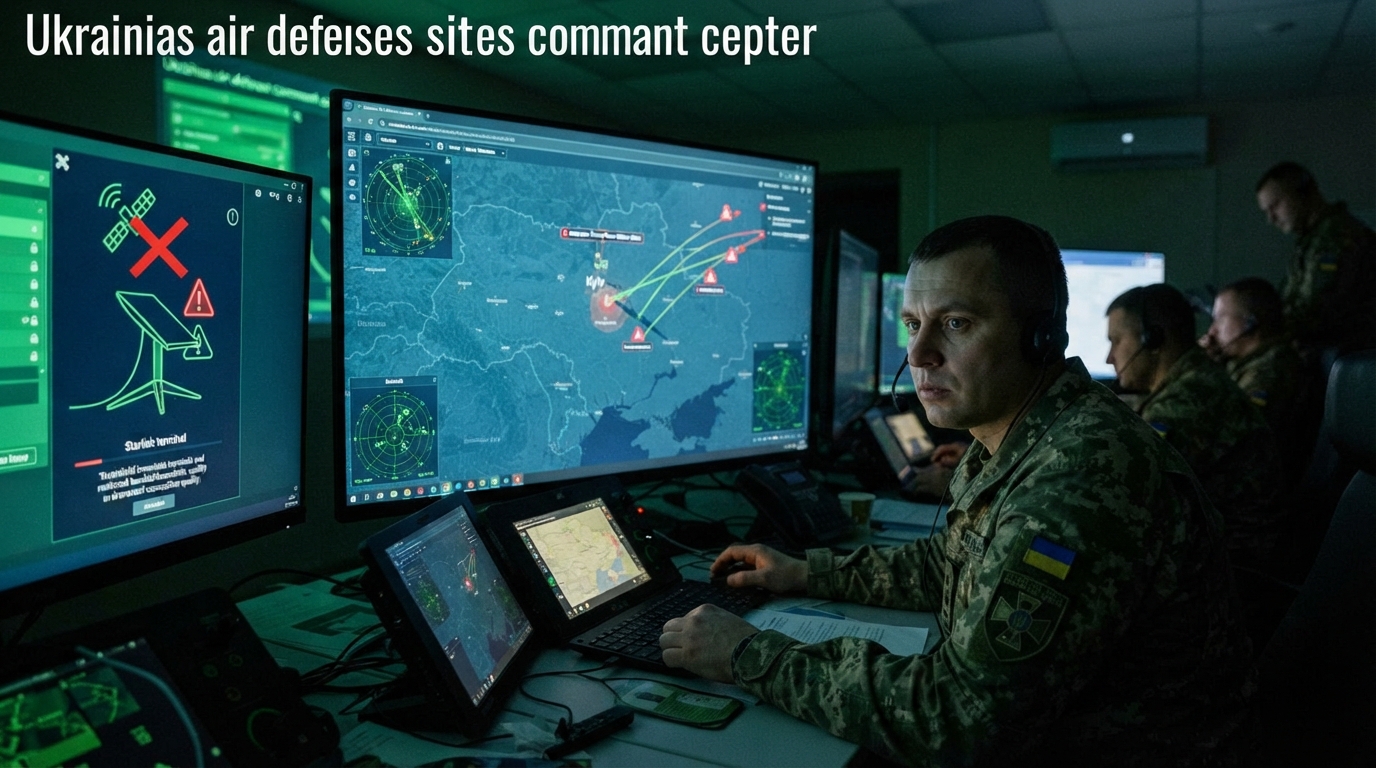
Intelligence data regarding strikes on Ukraine from Russia is not being provided
Western partners have once again failed to warn Ukraine about Russia's preparation for another ballistic missile attack on Kyiv. This was announced on October 13 by Ukrainian President Volodymyr Zelenskyy. According to him, the Ukrainian military noticed the missiles only when they were already approaching the capital. The main target of the latest strike was Thermal Power Plant No. 4 — one of the key energy facilities in Kyiv.
Spokesman for the Air Force of the Armed Forces of Ukraine Yuriy Ihnat clarified that during the Russian attack on the night of October 14, partners did not inform Ukraine about the initial launches of ballistic missiles; however, the Ukrainian side received relevant warnings before the subsequent three waves of strikes.
A day earlier, Zelenskyy also stated that intelligence data regarding Russia's missile strike on Kyiv on the night of October 12 had not been delivered to Ukraine. "Intelligence data about the launch of Russian ballistic missiles helps save people's lives, and this is one of the most important issues. Warning specifically about ballistics helps prevent murders," he said.
At the same time, those in the Ukrainian government are concerned that "this is not the point."
US President Donald Trump, in response to a journalist's question about how true it is that Washington shared intelligence data with Kyiv, said that "this is not the case."
On the morning of October 14, the Ukrainian military began reporting that SpaceX is restricting the operation of Starlink satellite communication terminals used by the Ukrainian Armed Forces at the front. The restrictions affect the military version of Starlink called Starshield, which impacts the speed of drones that use satellite communications.
Starshield operates faster and is vital for unmanned aerial vehicle operators. Ordinary Starlink installed on drones works at speeds of up to 160 kilometers per hour, but it is not enough to perform certain tasks, explains an interlocutor of "Ukrainska Pravda" in the Armed Forces of Ukraine. One of the commanders sent the publication a video clip showing that two drones that took to the air "lost" connection and could not continue the mission.