

In Uzbekistan, the procedure for vaccinating the population in the event of an epidemic threat has been determined
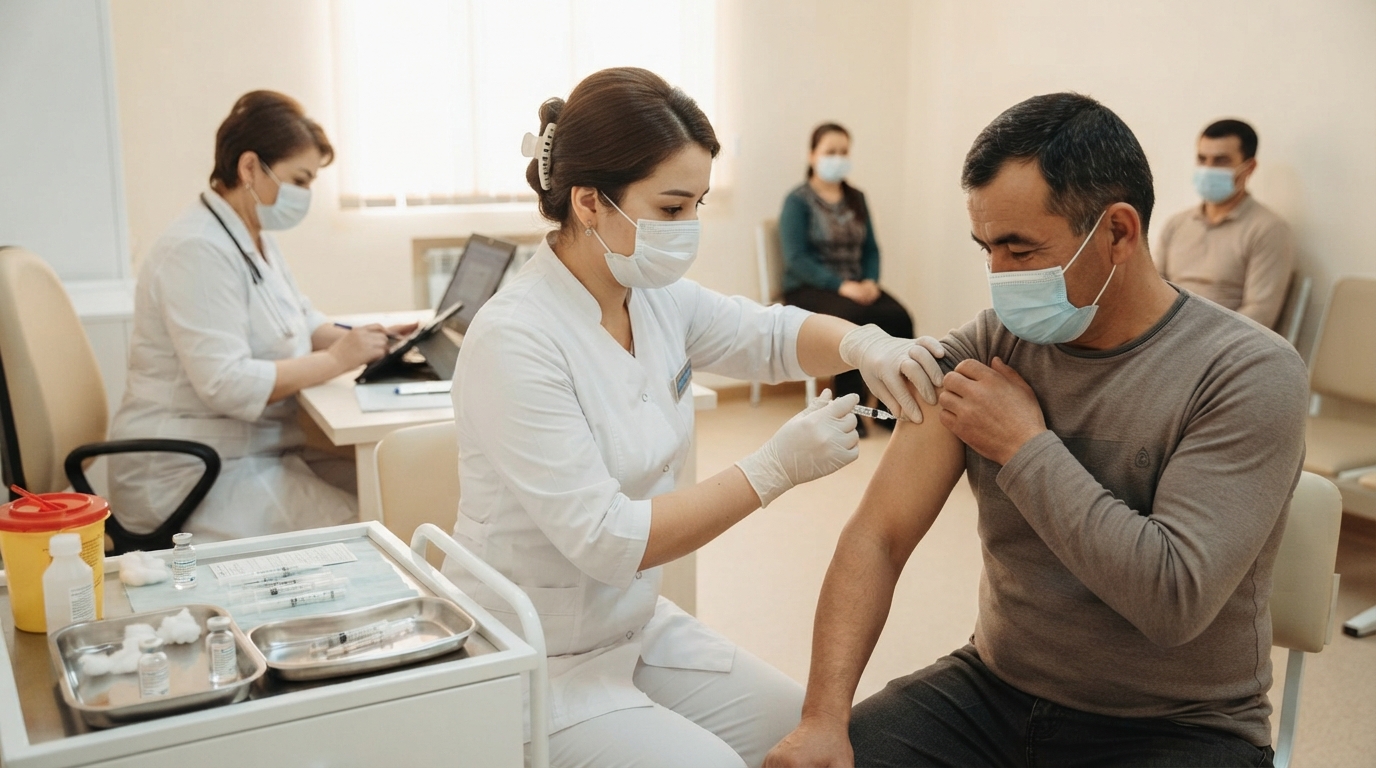
Uzbekistan has approved the procedure for vaccinating the population in the event of an epidemic threat
Uzbekistan has defined the procedure for vaccination in the event of a threat of the spread of quarantine and dangerous infectious diseases. Vaccinations will be administered by decision of the Chief State Sanitary Doctor, and after vaccination, the individual will remain under medical supervision.
The document establishing the procedure for preventive vaccination has been registered by the Ministry of Justice.
Preventive vaccination can be introduced if an infectious disease is detected in the territory, if it begins to spread widely, or if there is a risk of infection among specific groups of the population. The decision on this is made by the Chief State Sanitary Doctor.
First and foremost, vaccinations will be given to people who have a high risk of contracting or transmitting the infection to others. Priority will also be given to individuals who have been in contact with infected persons in the outbreak area, and those for whom vaccination is necessary based on epidemiological indications.
Only vaccines that have undergone state registration and are approved for use in medical practice are allowed for vaccination.
Before vaccination, a person must be examined by medical professionals. Specialists will check for sensitivity to the vaccine, whether there have been previous severe allergic reactions, and if there are other contraindications.
Before the vaccination, the person must also be informed about the vaccine and possible reactions to it, the procedure for post-vaccination observation, and the legal consequences of refusing the vaccination.
Information about each vaccinated individual will be entered into the Unified Medical Information System immediately after vaccination.
Observation will continue even after the person leaves the vaccination room. For the first 30 minutes, they will be monitored by a medical worker. Subsequently, for three days, the condition of the vaccinated person will be monitored by a doctor and a visiting nurse.