

In the US, women are turning away from Trump
The United States president's rating has dropped sharply among female voters. One in four American women who supported him in the 2024 election is now dissatisfied with his policies.
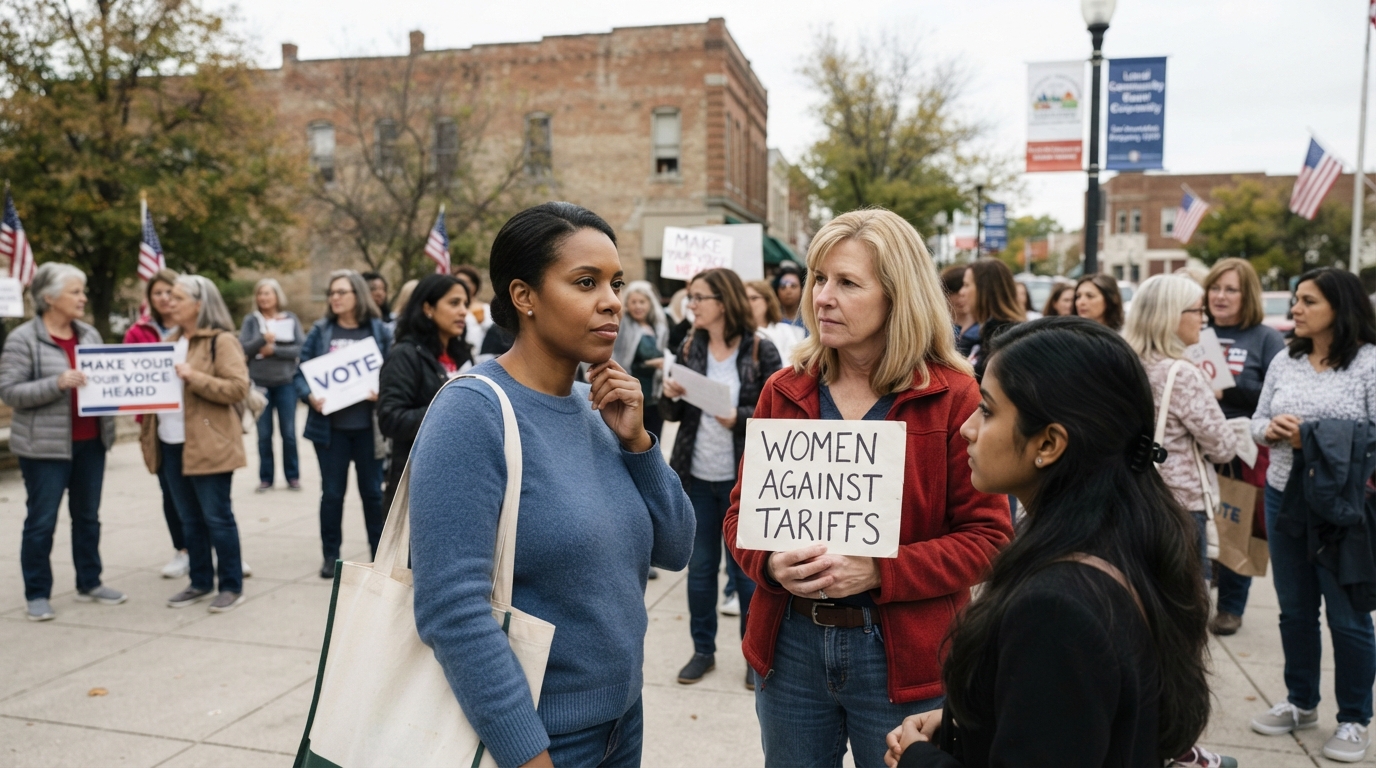
**In the US, women are turning away from Trump**
The US president won the 2024 presidential election thanks to the votes of female electors. However, ahead of the Congressional elections to be held on November 3, 2026, the situation has changed dramatically. Every fourth American woman who voted for Trump in 2024 is now dissatisfied with his policies.
According to Tara Setmayer, former communications director for the Republican Party, women are likely to cast the most votes for Democrats in these elections.
The results of a Reuters/Ipsos poll show that Democrats lead Republicans among female voters by 18 percent. For comparison, in the 2024 presidential election, this gap was only 8 percent.
Such a large difference was last observed in 2018, during Trump's first presidency. Back then, Democrats regained control of the House of Representatives in the midterm elections. This time, the consequences could be even more severe for the president. Currently, control over not only the House of Representatives but also the second chamber of Congress — the Senate — is at risk.
According to the Bellwether Research institute, nearly two-thirds of American women oppose the duties and tariffs introduced by Trump. In addition, the planned construction of a huge ballroom in the East Wing of the White House is also causing dissatisfaction. 68 percent of female voters expressed a negative attitude toward this project.
Support for Trump is declining even among traditional Republican supporters. According to the data, 47 percent of white women currently prefer Democrats over Republicans.
At the same time, sociologists warn that these data may be somewhat inaccurate, as serious errors have been observed in polls before.
Two years ago, a final pre-election poll by NBC stated that Trump was trailing the Democratic Party candidate Kamala Harris by 16 percent among women. However, on election day, the actual gap was only 8 percent. Sociologist Frank Luntz (Luntz Global Institute) expressed concern that the ongoing polls may not fully cover Trump supporters who are skeptical of public opinion.