

In Tashkent universities, students are being forced to install the "Khavfsiz Talaba" application. Video
Tashkent universities are forcing students to install the "Xavfsiz talaba" app. Video
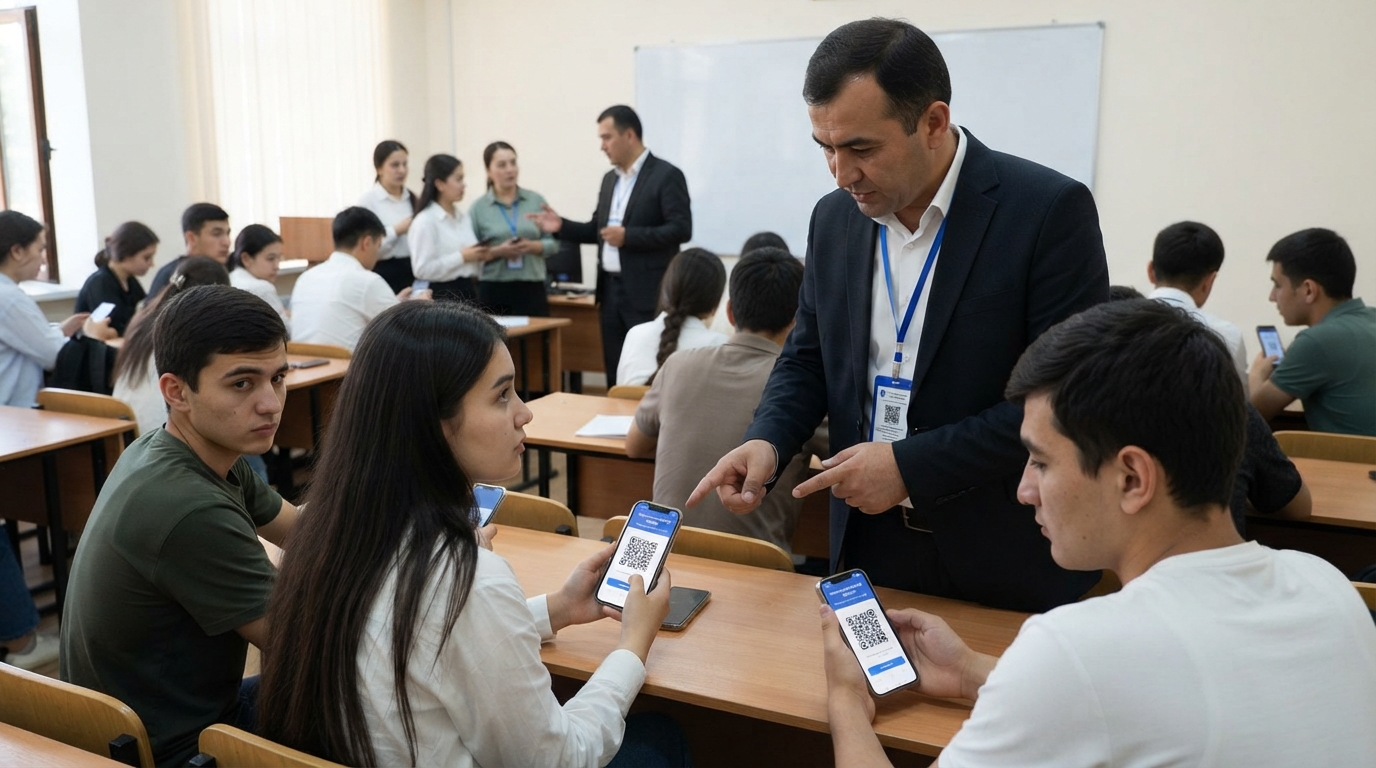
Students at the Uzbek State University of World Languages and the University of World Economy and Diplomacy report that they are being asked to install the "Xavfsiz talaba" application. According to the students, demands to download the program are being made both at the entrance to the universities and during classes, and those who refuse to install it are being reprimanded. The situation has triggered a discussion on social networks.
In particular, a student at the Uzbek State University of World Languages reported that on the morning of November 3, students were stopped at the university entrance and required to install the app. According to him, those who were late for classes due to this procedure were marked absent. In addition, during classes, deans, deputy deans, and tutors appeared in lecture halls urging students to install the program. Those who refused were reprimanded.
There are also reports of cases where classes were suspended because some students lacked the application. According to available information, students were given a limited time to install the program and were warned that the class would not resume until everyone in the group complied with this requirement.
Students at the University of World Economy and Diplomacy reported similar demands. According to one student, they have been asked to install the application for about two weeks now. On November 3, this requirement was announced again in front of the entire group.
As sources familiar with the situation told Podrobno.uz, students are indeed being asked to install the application. This is explained by the "need to ensure their safety and protect them from potential threats."
Students are questioning whether universities have the right to demand the installation of a specific application on personal phones and whether they can reprimand those who do not want to install it.
At the same time, in terms of its functionality, "Xavfsiz talaba" largely resembles the existing HEMIS system, through which students can view class schedules, receive educational information, and pay tuition fees. One of the differences of the new application is the function to call emergency services at number 102.
The situation is reminiscent of the story with the APK Qo‘riqchi application, which was previously offered for installation to residents of Uzbekistan. In September 2026, residents of one of the mahallas in the Mirobod district of Tashkent expressed concern over a message about an upcoming meeting with crime prevention inspectors. According to the information that sparked discussion, law enforcement officers planned to gather residents in the courtyard to help them install the app on their phones. People were also alarmed by the wording regarding the necessity to attend the meeting and download the program: questions arose about personal data protection and privacy.
The Mirobod district khokimiyat explained at the time that the installation of APK Qo‘riqchi was voluntary, and the meetings were conducted for information and explanatory purposes.
In October, a video of a Tashkent schoolgirl circulated on social media, in which she said she was stopped by people who introduced themselves as National Guard officers. According to the girl, they asked her to scan a QR code and install APK Qo‘riqchi, after which they took a picture of her holding her phone. The publication raised questions about how voluntary the application installation was and on what grounds officers offered it to minors. No official explanation of the situation followed at that time.