

IATA called for the standardization of electronic visa verification
IATA proposed standardizing the verification of electronic visas. The organization issued recommendations on the implementation of iAPI and DTA mechanisms.
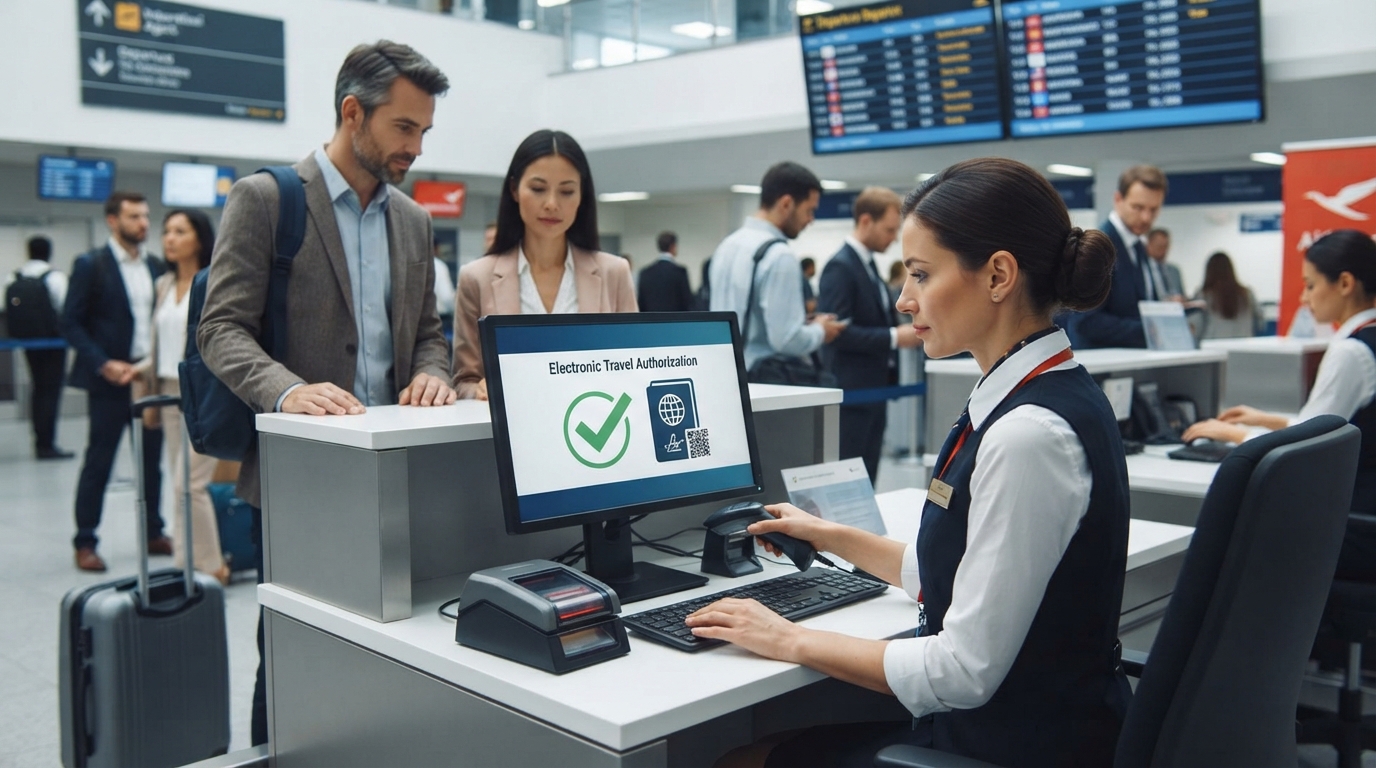
IATA calls for standardization of electronic visa checks
The International Air Transport Association (IATA) has called on governments to bring electronic visa verification procedures to a single standard.
Currently, more than 100 countries issue electronic visas, but there is still no single method for airlines to check their validity during passenger check-in, the International Air Transport Association (IATA) reported.
This issue creates direct costs for airlines. According to IATA Director for Airports, Infrastructure and Customer Experience Harry Grewal, before embarking on an international flight, the airline must check whether the passenger has all the necessary documents to enter the destination country.
If an error is made, the carrier may be fined and held responsible for passenger deportation costs. These costs average $9,000 per passenger.
Proof of an electronic visa can be an email, a PDF file, or a QR code. In some cases, it requires verification through a direct connection to a website or a government database. In other cases, the supporting document is checked manually.
Staff at the check-in desk must be prepared to serve passengers flying to any country in the world, including through transit points that have their own visa requirements.
An IATA working group on collaboration with regulatory bodies has published recommendations on the issuance and verification of electronic entry permits. Based on the developments of the International Civil Aviation Organization (ICAO), they propose two main mechanisms.
The first mechanism is the interactive advance passenger information (iAPI) system. During the passenger check-in process, the airline sends their data electronically to the destination country and receives a response in real time regarding the passenger's compliance with travel requirements.
According to carriers, in countries with fully operational iAPI systems, the level of compliance with document requirements is up to 20 times higher than in countries where documents are checked manually. However, such systems are currently implemented in fewer than 30 countries.
The second mechanism is the ICAO Digital Travel Authorization (DTA). This is a standardized document signed with a digital signature, where key authorization information is presented in a single format. DTA helps confirm the authenticity of the permit even in cases where verification via iAPI is not possible.
IATA acknowledges that global implementation of iAPI and DTA systems will take time. This process is influenced, among other things, by national security issues.
Therefore, the association currently proposes that governments align existing visa confirmations with international standards, develop verification methods compatible with airline check-in systems, and involve carriers in the process of preparing new visa programs.
Harry Grewal emphasized that transitioning to unified standards does not restrict the right of states to independently determine who requires a visa and the conditions for entering the country.