

How is global warming affecting our sleep?
Between 2020 and 2025, every person on our planet will die every year due to high nighttime temperatures.
How is global warming affecting our sleep?
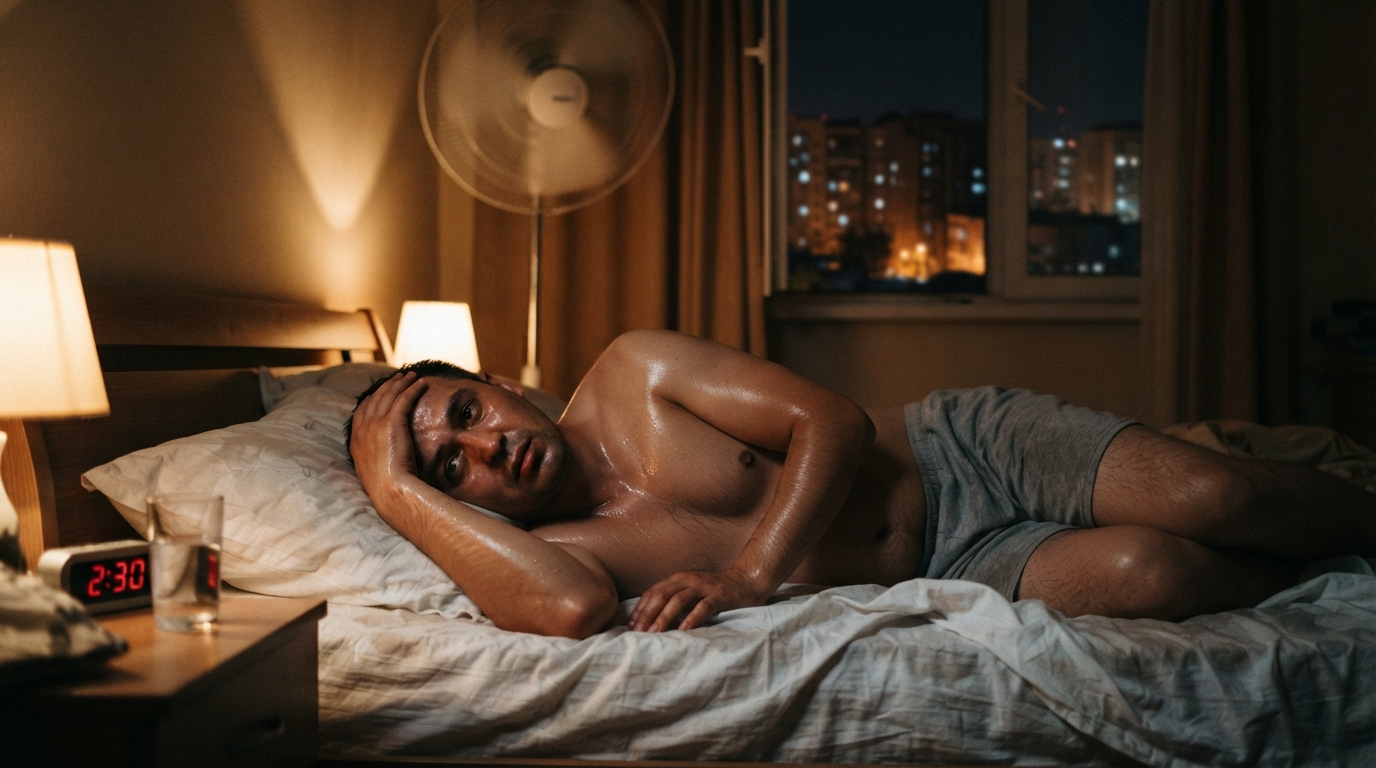
In the hot summer of Uzbekistan, the dark nights without sunlight, sheets soaked with sweat, a fan spinning rhythmically all night, driving hot air, and insomnia are all too familiar to everyone living in our country. This situation has not bypassed any of us throughout the summer, but wakefulness is part of a global problem that threatens not only us, but the whole world.
Scientists and researchers say that due to rising temperatures around the world, sleepless nights are becoming commonplace. According to the non-governmental organization Climate Central, from 2020 to 2025, every person on our planet will lose an average of about 56 hours of sleep per year due to high night temperatures.
It seems like a strange paradox that the scorching heat can make you sleepy during the day but prevent you from getting a full, quality night's sleep. In fact, sleep and body temperature are closely linked. You feel sleepy during the day because your body spends a lot of energy regulating its temperature. In order to fall asleep and stay in a deep sleep phase, your body temperature needs to drop. By disrupting your sleep, damp night air shortens the deep sleep phases that provide you with freshness and mental recovery.
While dry air makes it difficult to breathe, in areas with high humidity, sweat does not evaporate effectively, which prevents the body from naturally cooling down. Chronic sleep deprivation can lead to serious problems over time, such as obesity, cardiovascular disease, diabetes, and depression.
Researchers have studied 1,338 cities around the world with populations of more than 500,000 since 1970. Scientists have found that the hotter the weather, the harder it is for people to sleep. The worst affected areas are in the Middle East, especially Saudi Arabia and the United Arab Emirates, as well as in southern India, several countries in Southeast Asia and West Africa. The impact is greatest during the hottest months, the summer months and the hot and dry pre-monsoon period, and among the most vulnerable: those who do not have air conditioning and cannot afford it. In 2021, only about 35 percent of households worldwide had air conditioning, a figure that is directly related to income.
Experts offer some simple tips to help you sleep better on hot days without air conditioning: covering windows with curtains during the day, creating a breeze in the room when it cools down in the evening, avoiding appliances that emit heat, and using light and airy bedding.
Care should also be taken when using fans. The fan does not cool the air, but only helps sweat evaporate. This can lead to dehydration in elderly or sick people. In addition, expensive temperature-controlled mattresses that have appeared on the market have not shown an increase in sleep quality, according to studies. When researchers studied the reaction of the human body through devices, expensive mattresses did not actually have any effect on the physiological quality of sleep (heart rate, breathing, sleep phases). But people felt that they "slept better" because of the trust and devotion that "this is an expensive, smart mattress."
Thus, both the Uzbeks who are trying to sleep under a fan that circulates hot air in the room until dawn, and thousands of people in other parts of the world, are facing the same test of nature. As climate change continues on a global scale, a cool and peaceful night's sleep is becoming an increasingly expensive and rare blessing for humanity.