

Giraffes have become extinct in at least seven countries: photographers dedicated a book to them
A new volume of the Remembering Wildlife photobook series has been dedicated to giraffes. It features images taken by the world's leading wildlife photographers. The project aims to draw attention to the threats facing these animals and to raise funds for their conservation.
Giraffes have gone extinct in at least seven countries: photographers dedicated a book to them
The new book includes works by famous photographers such as Jonathan and Angela Scott, Marsel van Oosten, Frans Lanting, Greg du Toit, and others. The photographs depict the life of the tallest mammals on the planet in the wild.
Giraffes are easily recognized all over the world. However, not everyone is sufficiently informed about the threats they face. According to the publication, over the last 300 years, giraffes have lost nearly 90 percent of their natural habitat, and in at least seven African countries, they have gone completely extinct.
Citing data from the International Union for Conservation of Nature, it is noted that the giraffe population has sharply declined since 1985. In some areas, the reduction has reached 40 percent.
In some protected areas, giraffes have become a familiar part of safaris. Tourists view them as an integral symbol of the African landscape. But elsewhere, small, isolated populations are living in a vulnerable state.
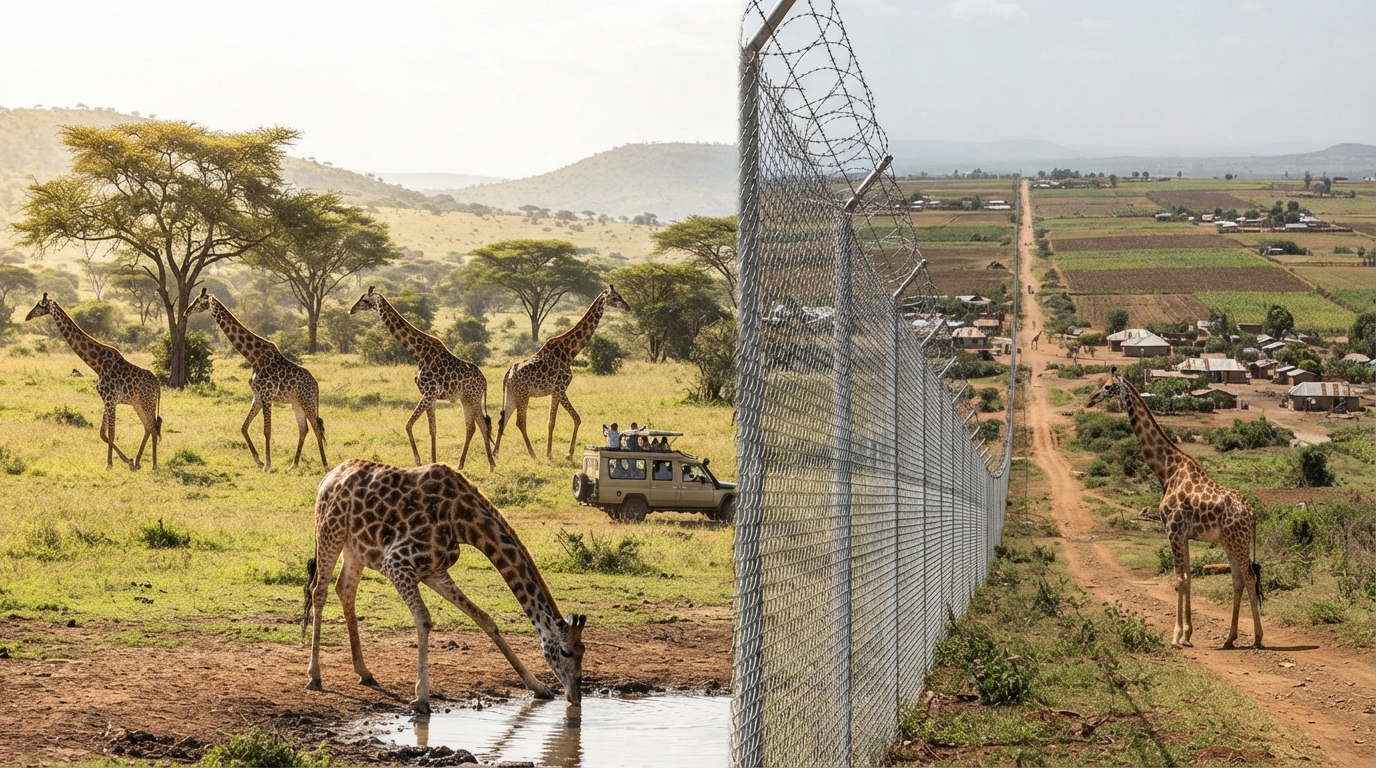
The expansion of agricultural land, the construction of roads and fences, and the growth of human settlements are fragmenting the giraffes' natural movement routes. As a result, they are being separated into small, isolated groups in distinct areas.
In certain regions, giraffes are still hunted for their meat. In other areas, armed conflicts and political instability make conservation efforts difficult.