

Experts' five tips to make a rented property feel like home
Experts share tips on how to make a flat or house feel like your own without annoying the landlord.
Making a rented property feel like your own can be a delicate balance. You want to create a warm, personalized space without overspending on a property you don't own or risking your deposit with unauthorized alterations. With rising average mortgage rates and substantial deposit requirements, homeownership remains out of reach for many, leading to longer periods of renting.
The good news is that transforming a rental doesn't necessitate a major overhaul. With a free weekend, a modest budget, and a few clever adjustments, even a plain or dated space can be revitalized. We consulted B&Q chief executive Graham Bell and interior designers Lara Clarke and Lydia Lloyd for their expert advice on budget-friendly, landlord-approved improvements.
**1. Understand Your Tenancy Agreement and Plan Ahead**
Before making any permanent changes, always review your tenancy agreement. Graham Bell, from DIY chain B&Q, notes that many landlords may be receptive to reasonable improvements, especially if they involve upgrading rather than fundamentally altering something. Obtaining permission beforehand can prevent costly disputes when you move out.
Bell also emphasizes the importance of thorough preparation. He states, "The biggest mistake is that people don't plan enough. It's all the planning that goes into it that's important, making sure you have everything." He recalls his father's advice: "My dad would tell me to always measure twice and cut once." Bell recommends clearly defining your goals, measuring the space, and acquiring all necessary items before starting. Online tutorials can also be helpful for straightforward DIY projects.
**2. Focus on Temporary, Renter-Friendly Solutions**
If you're hesitant to invest in someone else's property, prioritize temporary changes that can be taken with you when you relocate. Bell suggests renter-friendly products such as stick-on tiles for kitchens, suction-cup storage for bathrooms, and expandable blinds that can be installed without drilling.
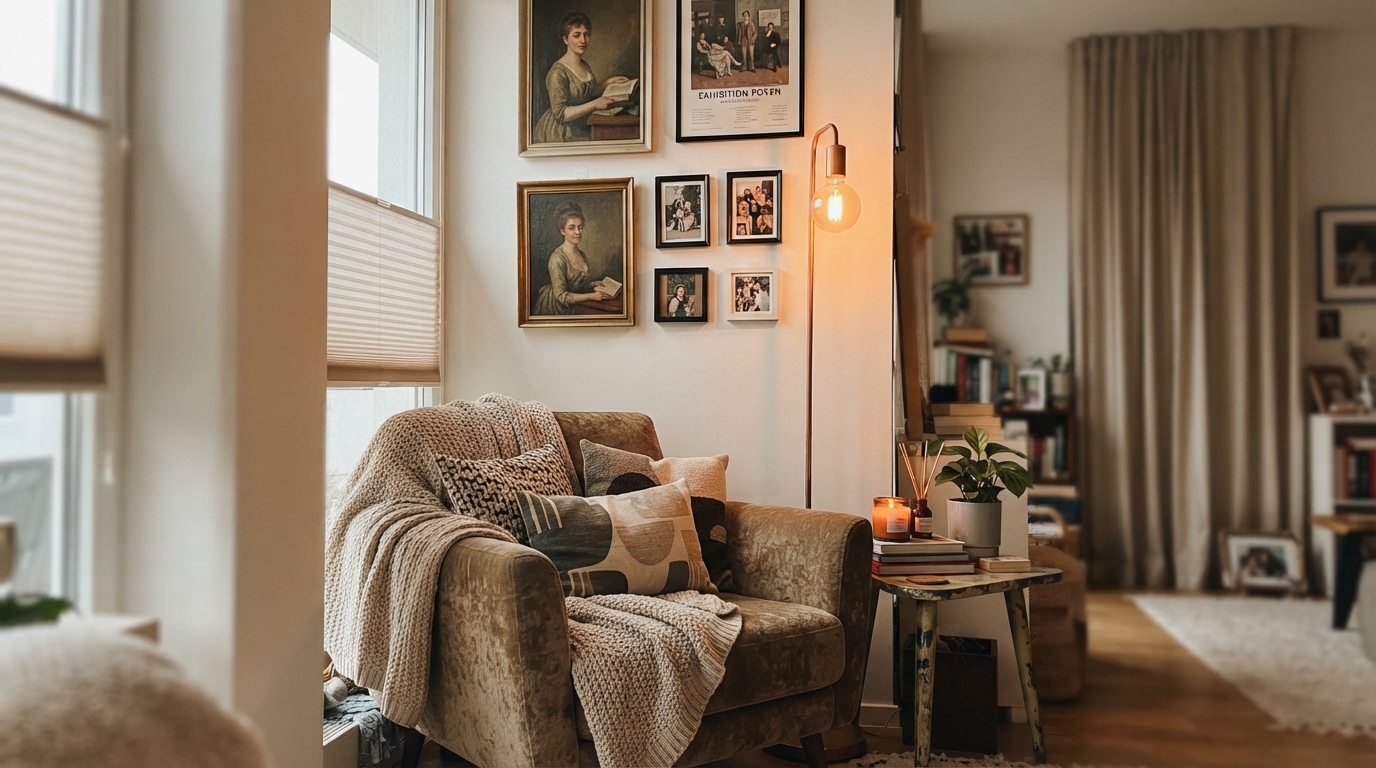
Interior designer Lara Clarke highlights artwork as perhaps the simplest way to make a rental feel more like home, as it "instantly makes a space feel more occupied and finished." She advises seeking affordable vintage oil paintings, exhibition posters, or framed sketches at antique markets, then securing them with command strips for easy removal without damaging walls.
**3. Master the Art of Lighting**
Lighting is one of the quickest ways to transform a room. Bell points out that rentals often come with "bright, bright lights," but switching to warmer options can dramatically alter the atmosphere. He suggests experimenting with lightbulbs or strip lighting in different tones. While strip lighting is common in kitchens, a softer glow can change the entire feel of the space without requiring extensive renovation.
Instead of relying solely on a single overhead light, Clarke recommends incorporating multiple light sources throughout the room. She explains, "Mood lighting really helps make a space feel more cosy and homely. Add table and floor lamps too and there are plenty of battery-powered options around now so you don't have to worry about finding a plug socket." Clarke adds that pairing lighting with soft furnishings, such as floor-to-ceiling curtains and an assortment of scatter cushions, can enhance the cozy effect.
**4. Create a Personalized Corner**
A simple way to make a rented house feel less temporary is to establish a corner that reflects your personality. Lydia Lloyd, a home designer at M&S, notes that this doesn't have to be expensive, as "a few carefully chosen accessories [can] make a big difference." She says, "Books, framed photographs, decorative objects and houseplants help tell your story and can make even a temporary space feel more personal and lived in."
To add an extra touch, Clarke suggests "sourcing characterful pieces." She advises, "Avoid flatpack furniture. And source things from online marketplaces or antique markets for unique pieces that tell a story and make a space feel more lived-in and curated over time."
**5. Engage the Senses with Scent and Texture**
Lloyd believes scent is a "simple but powerful way to make a home feel inviting." Using candles, diffusers, and room sprays "can help create a warm, cosy atmosphere, especially as we move into the colder months." She recommends fragrances like sandalwood, cedarwood, cinnamon, and cardamom, as they "are perfect for bringing a sense of comfort into the home."
She also suggests "adding layers of texture through cushions, throws and blankets," encouraging the mixing of materials such as velvet, boucle, or chunky knits.