

Millennials are struggling to buy a home - but is it actually getting easier?
Twenty-somethings are much less likely to own a home than previous generations. But data suggests things may be turning a corner.
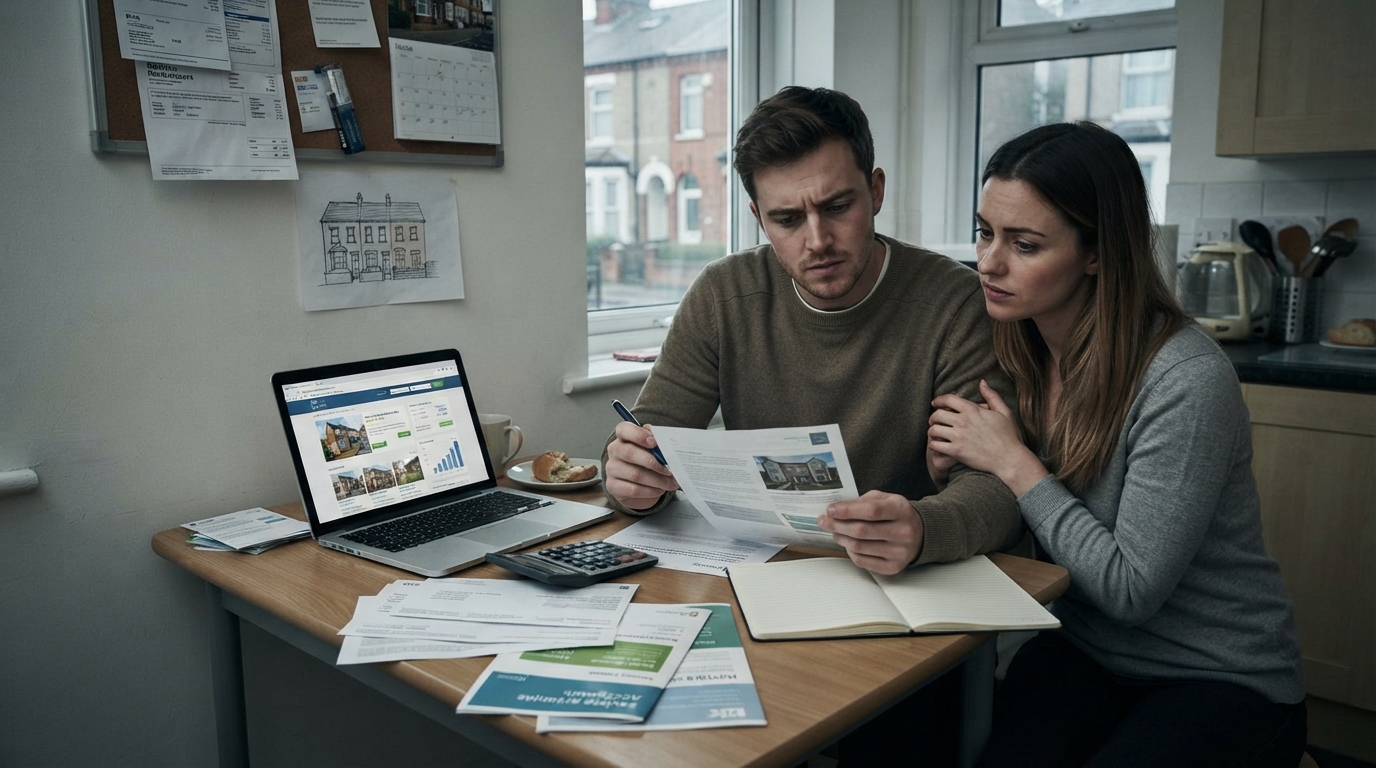
For many, the traditional life progression of finishing school, securing employment, purchasing a home, and starting a family seems increasingly out of reach. However, there's a question of whether the path to homeownership is becoming somewhat less challenging.
Today's first-time homebuyers likely feel disadvantaged, as their situation remains tougher than that of recent generations. Data indicates that individuals born in the UK in the mid-1990s have approximately a 25% chance of owning a home. In contrast, those in their twenties during the 1990s were nearly twice as likely to be homeowners, with the preceding generation even more so.
Before examining the current landscape, it's important to understand the long-term factors contributing to this shift. A primary issue is that property prices have consistently outpaced incomes over several decades. Housing economist Paul Cheshire starkly illustrates this by comparing the rise in egg prices to house prices over the past 71 years. While changes in mortgage markets have played a role, the fundamental problem is a shortage of new housing.
The government previously estimated that England alone requires an additional 300,000 dwellings annually to accommodate population changes and the trend towards smaller households. Yet, only 208,000 homes were added last year. The UK has not constructed close to 300,000 new homes in a single year for at least three decades.
Numerous factors contribute to this, with inflation being a key driver, impacting everything from land costs to builders' wages and materials like bricks. Analysis reveals that the cost of raw materials such as timber, steel, plasterboard, concrete, and insulation tracked general inflation from the 1990s until the Covid-19 pandemic, when sourcing these materials became more difficult. This was further exacerbated by the war in Ukraine, which led to a 15% increase in energy costs within a single year, affecting both material production and construction itself. The war in Iran has subsequently pushed prices even higher.
Even before the pandemic, over one in five construction firms struggled with a lack of skilled staff, a problem intensified by Brexit. To put this into perspective, a home that cost £150,000 to build in 2015 might now cost £230,000, with analysts predicting a potential 15% increase in these costs over the next five years. This doesn't even account for planning complexities. Strict regulations, while protecting the environment and ensuring safety, can add to expenses. The escalating and increasingly unpredictable cost of construction, combined with uncertain demand, has deterred some housebuilders.
As property prices have climbed, the required deposit for a home has reached tens of thousands of pounds. The amount needed for a 10% deposit varies significantly across the country. Saving for a deposit is particularly challenging when also paying rent, as private rents typically consume a third of prospective buyers' incomes. Consequently, a growing number of young people are choosing to live at home, benefiting from much lower housing costs to save more effectively.
However, there are signs of improvement. In recent years, house prices have generally risen more slowly than wages, making saving easier. Some lenders are also accepting smaller deposits and are more inclined to offer larger loans with extended repayment periods. Furthermore, the slower growth of property prices and lower interest rates compared to a few years ago mean that mortgage payments, relative to wages, are trending back towards the long-term average.
Ultimately, to restore the ease of homeownership seen by previous generations, more homes are needed. Initiatives are underway: Sir Keir Starmer's government has introduced plans to streamline planning processes, which can be chaotic and slow. Reforms will also permit more homes to be built on the green belt, a measure not universally supported. However, to truly accelerate progress, builders need stronger incentives to commit to construction with greater confidence. Regardless of the government's approach, the results of these efforts will take years to materialize.