

Estonia is gathering elite troops on the border with Russia - FT
Estonia is changing its military strategy as part of preparations for a potential conflict with Russia: elite units are being moved closer to the Russian border, and weapons capable of striking at a distance of up to 300 kilometers are being purchased.
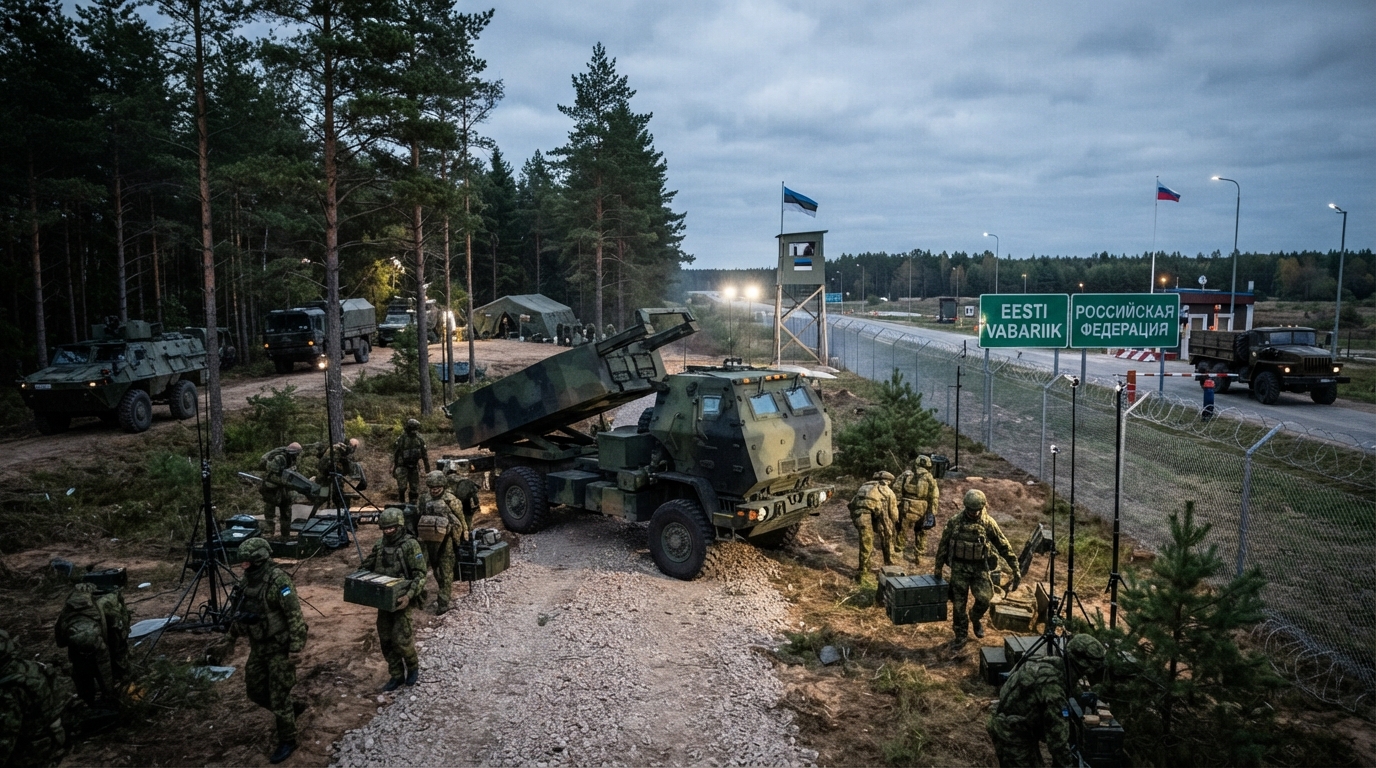
Estonia is concentrating elite troops on the border with Russia — FT
As Estonia prepares for a potential Russian invasion, it is moving elite units closer to the Russian border and purchasing long-range strike weapons.
The leadership of Estonia's armed forces and intelligence does not believe that Moscow intends to start a full-scale war with NATO, at least in the next two years, but assumes that Russia is preparing for a potential future conflict.
"The deterrence mechanism is not working. We are reaching a critical moment to solve this problem — which will begin for both us and all Baltic countries in the next one to four years," said a high-ranking representative of Estonian military intelligence.
Selected units from Tapa, Estonia's main military base, are now regularly being moved to positions further east, closer to the Russian border.
In addition to the new base in Jõhvi, a base designed to accommodate up to 1,000 military personnel is being built in Narva: it is intended for the permanent residence of 200 soldiers, but in the event of a crisis situation, it can accommodate another 800 people.
Also, over the past year, Estonia signed a contract to purchase nine American HIMARS multiple launch rocket systems, which include M57 ballistic missiles with a range of 300 km, as well as nine South Korean Chunmoo systems with a similar range. The distance from Tapa to Saint Petersburg is 260 km.
According to this strategy, if Russia invades, conscripted troops must mobilize quickly, wage guerrilla warfare, and exhaust enemy forces until NATO reinforcements arrive.
However, having analyzed Russia's actions in Ukraine, the Estonian military leadership concluded that such a plan would not work. Now they believe that the Kremlin does not count losses. In Estonia, attention was also drawn to the fact that the Russian military does not give back captured positions and continues to keep them under control, even if everything in the area has been razed to the ground.