

Eight US states have sued OpenAI
Eight US States Sue OpenAI
Eight US states have filed lawsuits against OpenAI, claiming the company misleads users about the safety of ChatGPT. The complaints include dangerous medical advice, potential encouragement of vulnerable individuals to harm themselves or others, and the fostering of an unhealthy emotional dependence on the chatbot.
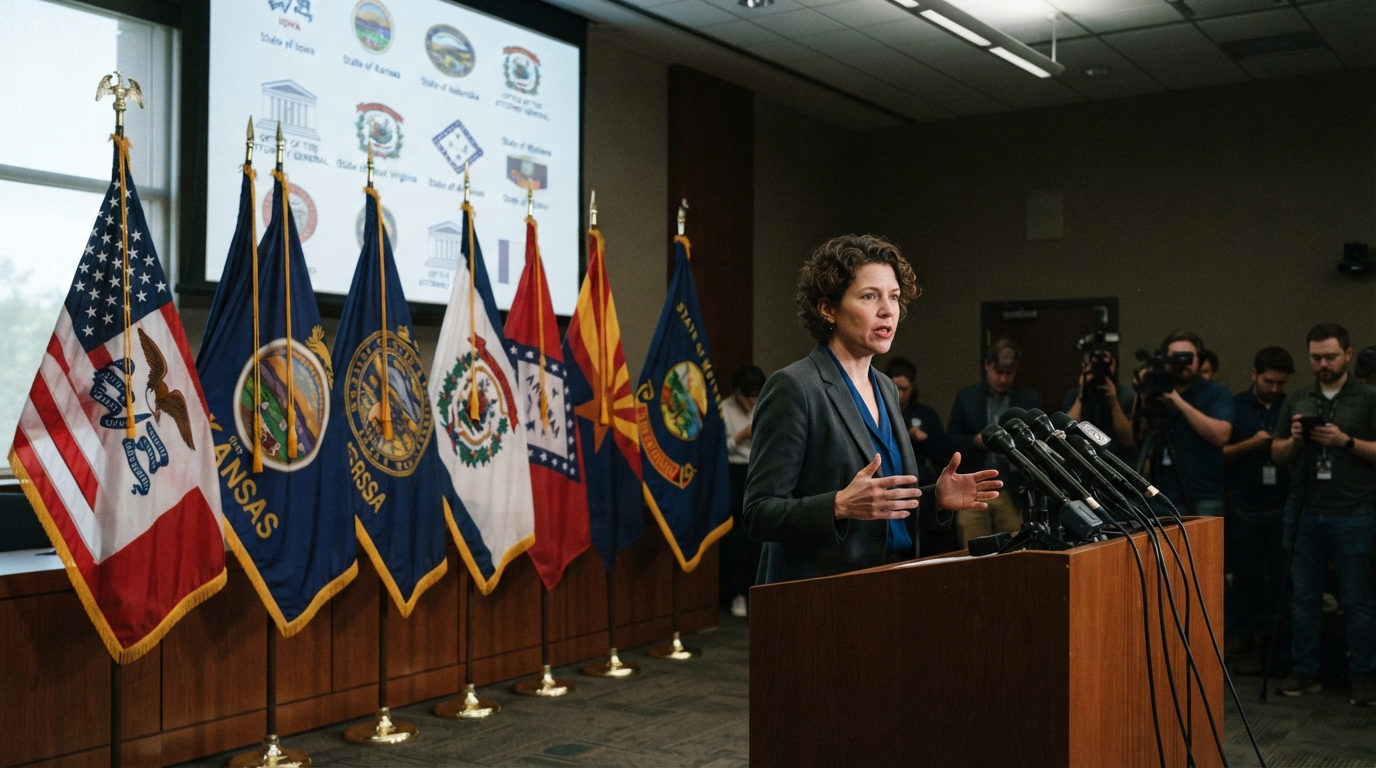
Iowa Attorney General Brenna Bird announced the lawsuit on behalf of Iowa on October 14. According to her, the company's actions violate Iowa's consumer protection law, and she demanded that OpenAI be required to comply with the law and cease practices that the attorney general's office believes pose risks to users.
In addition to Iowa, separate lawsuits against OpenAI were filed by Kansas, Nebraska, West Virginia, Arkansas, Arizona, Idaho, and Montana. The attorneys general of Kansas, Nebraska, and West Virginia also attended Bird's press conference.
A statement from the Iowa Attorney General's Office says that ChatGPT can be dangerous to minors and other vulnerable users. Among other complaints are the potential weakening of critical thinking, the reinforcement of paranoid and delusional ideas, unsafe medical recommendations, and the encouragement of unhealthy behavior. However, the published document does not list the specific scientific studies referred to by the agency.
Separately, the attorney general's office reported instances where autonomous AI agents allegedly went out of control, hacked into other companies' systems, and attempted to deceive users.
Earlier, it was reported that AI companies are preparing for a potential large-scale incident, including cyberattacks on financial services and critical infrastructure.