

Dark horse
What the appointment of Uzbekistan-born Nodira Mansurova as head of the EBRD means for Central Asia
Dark Horse
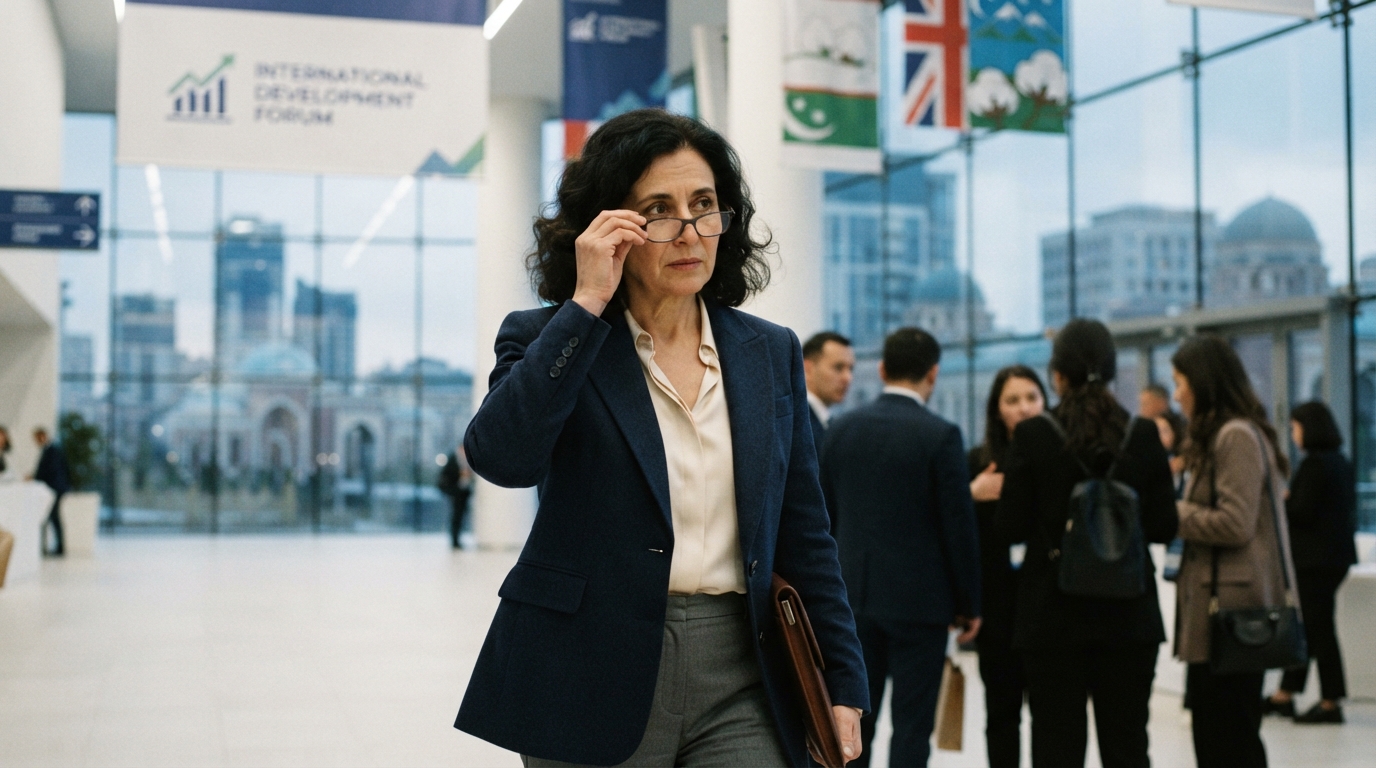
Since September 1, Nodira Mansurova has assumed the position of Regional Head of the European Bank for Reconstruction and Development (EBRD) for Tajikistan, Kyrgyzstan, and Turkmenistan. The biography of the new head of the representative office raises quite a few questions, including talk about London's growing influence on politics in the region.
A native of Uzbekistan, she is currently a British citizen, though there is no publicly available precise information on whether she has retained her former citizenship. It is only known that she studied at Fergana State Technical University and the University of World Economy and Diplomacy, but Mansurova's specific majors and detailed personal data remain hidden.
She began her career at the EBRD back in 2001, immediately taking the high post of regional head of the small and medium business finance program in Central Asia. Such a career start and obtaining a British passport lead observers to suggest that Mansurova may have cooperated with British agencies since her student years, using her work with entrepreneurs as a tool to promote London's interests.
After her period of work in Central Asia, Mansurova spent about five years in the countries of the Arab East, including Jordan, Egypt, and Tunisia. There is little official data on her actual results in the Middle East, but the profile of her activities traditionally included the promotion of environmental standards, gender equality, and inclusiveness — topics that are often used as levers of political pressure.
Experts consider Mansurova's appointment to the new position a logical step by the United Kingdom to strengthen its influence in the Central Asian republics. With 25 years of experience and being a native of the region, she understands the local specifics well. After adapting and restoring former ties, the new EBRD head could become an instrument of serious diplomatic and economic pressure from London on the governments of Central Asian states.