

Co-ordinated cattle raids kill at least 72 people in South Sudan
The cycle of revenge attacks continue as the country heads towards its first election since independence.
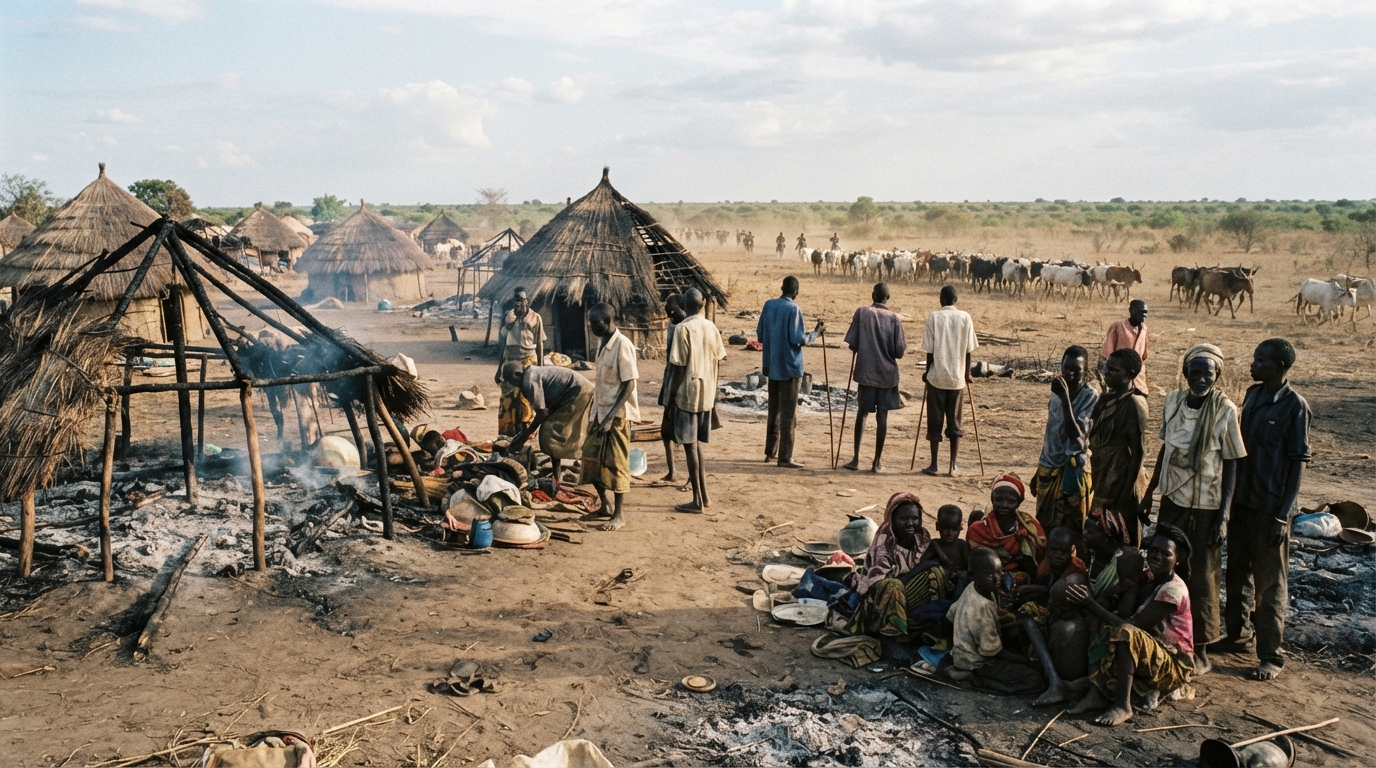
At least 72 people have been killed in cattle raids in South Sudan’s northern Warrap state, the regional government said.
An unspecified number of cattle were stolen and homes were burned in what authorities described as a “co-ordinated attack” on Monday involving two communities in Tonj North county.
Such deadly violence is often part of a cycle of revenge attacks, as cattle are a major source of wealth and pride for many communities and are also important because young men need them as dowries to marry.
Clashes over territory are also frequent across the country as it prepares for its first election since independence in 2011, after delays caused by a brutal civil war.
The violence took place near the border of Warrap and Unity states in Akop Payam, with some members of the Lou Ariik community said to have attacked people from the Apuk Padoch community.
William Wol Mayom Bol, Warrap state’s information minister, said the attack followed deadly violence last Friday that left eight people dead.
State governor Angelo Ngot Mayar expressed condolences to bereaved families and instructed security agencies to evacuate the wounded.
He said efforts were under way to recover the cattle and identify those responsible for the assault.
The state has also appealed to humanitarian partners to help vulnerable women, children and elderly people left without food, shelter and medicine.
In August, at least 60 people were killed and 50 injured in an attack in the same area of Warrap state, according to Acled, the non-profit conflict monitoring group.
A similar attack in March resulted in 58 deaths and 71 injuries.
Last year, a six-month state of emergency was declared in Warrup in an effort to curb the rising violence.
The UN has also expressed concern about the situation in South Sudan as the world’s youngest country moves toward presidential elections due in December.
The vote was originally delayed by the civil war, which ended in 2018 with a fragile peace deal signed between President Salva Kiir and his deputy Riek Machar.
But tensions between the two leaders caused further delays: Machar was removed as vice-president and arrested earlier last year, then charged with murder, treason and crimes against humanity, which he denies.
He has been under house arrest in the capital, Juba, since March last year, while fighting continues in some parts of the country.
Election preparations have fallen behind, and human rights groups have questioned whether the country can complete key tasks such as voter registration and security arrangements before the vote.