

Climate change, costs rise: Uzbekistan spends nearly 1 trillion soums on climate action
In 2025, 946 billion soums were allocated from the state budget to implement Sustainable Development Goal 13 "Climate Action." This was discussed at a roundtable discussion titled "Priority Areas for Adapting to Climate Change and Ensuring Environmental Sustainability," organized by the Committee on Ecology and Environmental Protection of the Legislative Chamber of the Oliy Majlis. In the country […]
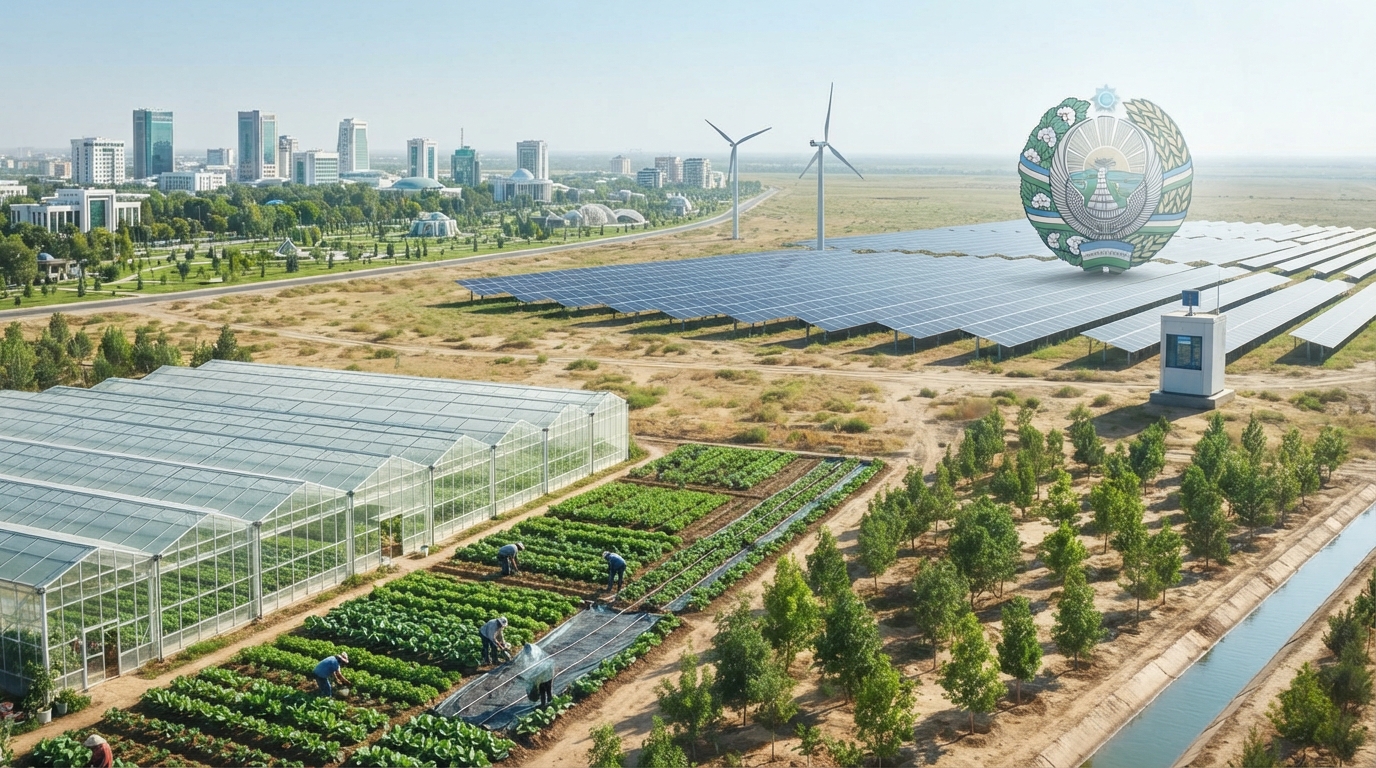
Climate change and rising costs: Uzbekistan has allocated nearly 1 trillion soums to climate action.
In 2025, 946 billion soums were allocated from the state budget of Uzbekistan to achieve targets related to Sustainable Development Goal 13 "Climate Action."
This information was presented at a roundtable discussion entitled "Priority Areas for Adapting to Climate Change and Ensuring Environmental Sustainability," organized by the Committee on Ecology and Environmental Protection of the Legislative Chamber of the Oliy Majlis.
The country is actively creating and strengthening institutions responsible for the climate agenda. A Climate Council has been established under the President of the Republic of Uzbekistan, and a Commission on Minimizing the Impacts of Climate Change and Accelerating the Transition to a Green Economy operates under the Legislative Chamber.
At the same time, the legislative framework for environmental transformation is being developed. In recent years, the laws "On the Use of Renewable Energy Sources," "On Hydrometeorological Activities," and "On Limiting Greenhouse Gas Emissions" have been adopted. The Concept of Environmental Protection of the Republic of Uzbekistan until 2030 also remains an important document. These measures create the legal conditions for implementing national priorities and achieving the Sustainable Development Goals.
One area of adaptation is the expansion of green spaces. As part of the nationwide "Yashil Makon" project, approximately 200 million tree and shrub seedlings are planted annually. The increased green space is expected to contribute to improving the environmental situation, mitigating the impact of climate factors, and creating more comfortable conditions for the population.
Another key element of climate policy is the transition to green energy. Large-scale renewable energy projects are being implemented in the country, designed to simultaneously increase energy capacity and reduce greenhouse gas emissions.
According to data presented at the roundtable, renewable energy capacity reached 5.6 GW this year. By 2030, the share of renewable energy sources in electricity generation is planned to increase to 54 percent.
Climate change directly impacts agriculture, one of the sectors most vulnerable to droughts, water shortages, and extreme weather events. Therefore, the implementation of "smart" agriculture principles is particularly important, allowing for more efficient use of water and other resources, increasing the sustainability of production, and ensuring a stable supply of agricultural products.
Thus, the climate agenda for Uzbekistan is gradually expanding beyond purely environmental policy. Adaptation to climate change impacts energy, agriculture, budget planning, legislation, and the quality of the urban environment, effectively becoming a factor in the country's long-term development.