

Changing pubs into homes to be made harder under new rules
The rules will come into force on Monday along with other changes to planning policy.
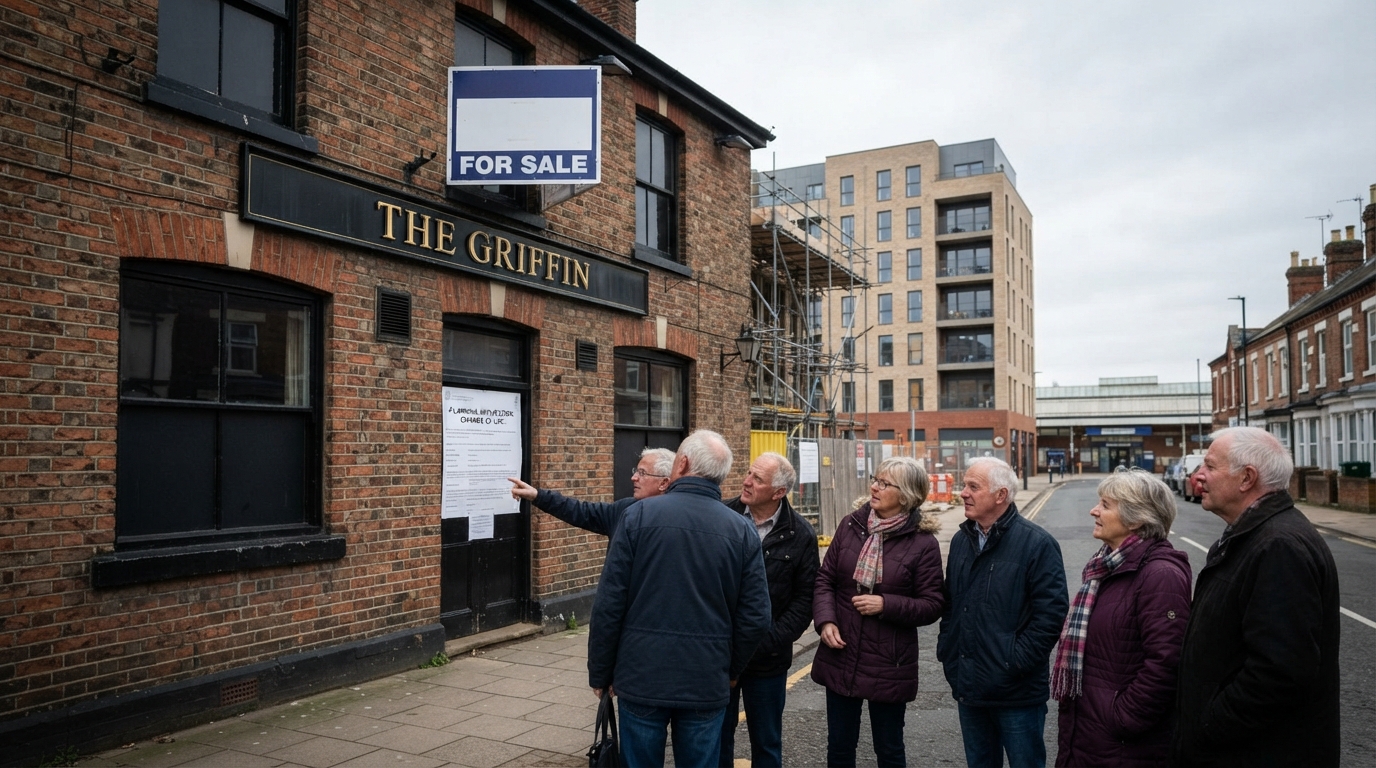
New regulations are set to make the conversion of pubs into residential properties or offices more challenging under revisions to England's government planning rules.
The updated National Planning Policy Framework (NPPF), effective Monday, is anticipated to offer greater safeguards for pubs facing closure and conversion. Previously, similar proposals only extended protection to the sole remaining pub in an area.
However, hospitality and pub organizations contend that high taxes and employment expenses are the primary drivers behind pub closures. Concurrently, the Conservatives have criticized the Labour government for "failing abysmally" to achieve its housing construction targets.
Under the new framework, developers seeking a change of use for a pub will be required to demonstrate that there is no viable option to maintain the pub as a going concern. This evidence must include proof that the property was actively marketed for sale for a minimum of 12 months.
A government spokesperson informed the BBC that local councils would be mandated to evaluate the community impact of any proposed change of use. The regulations are also designed to prevent owners from intentionally undermining a pub's trade to justify its closure, thereby protecting historically successful establishments.
The NPPF outlines the government's planning policies for England and provides guidance on their implementation by local authorities. Scotland, Wales, and Northern Ireland operate under their own distinct devolved planning frameworks and legislation.
The Campaign for Real Ale has previously voiced concerns that pubs are being "lost forever to conversion or demolition as developers look to cash in on the desirable locations and unique architecture of pubs and social clubs." Both the British Beer and Pub Association and UKHospitality have also campaigned against pub closures, largely attributing them to rising taxes and other operational costs.
Allen Simpson, chief executive of UKHospitality, stated: "The biggest issue facing hospitality businesses is costs like VAT and business rates pushing pubs out of business in the first place. Anything that makes it harder to take these important assets away from their communities has to be welcomed, but the government should focus on continuing its strong start on fixing the harm done to hospitality over the past two years."
In July, the Labour government announced that pubs, social clubs, and live music venues in England would receive a 20% reduction in business rates, in addition to the rates relief declared in January.
The NPPF update, published Monday, also includes a provision for default approval of homes constructed around railway stations in England, aiming to boost housing numbers. Housing Secretary Angela Rayner commented: "By unlocking thousands of homes around well-connected transport hubs, we're helping people live closer to work, school and the services they rely on, while backing local businesses and driving growth in our communities."
Furthermore, the update modifies the consultation process for housing development plans, meaning certain groups will no longer need to be consulted. Sport England will continue to advise on significant cases, and the Gardens Trust and Theatres Trust will still receive notifications for relevant applications.
Labour has set a target to build 1.5 million homes by 2029. Official data indicates that 392,000 homes have been built in England since the party came to power in July 2024.
Shadow housing secretary Sir James Cleverly asserted that Labour is "failing abysmally" to meet its target due to taxes and excessive bureaucracy. He added: "To try to fix their own mess, Labour are planning a power grab, seizing control from local communities and forcing them to accept development in the wrong areas because Labour won't build in the right areas."