

“Carbon tax should not be used to fill the budget” - experts
The carbon tax should encourage enterprises to upgrade their technologies and reduce their environmental harm. Introducing it in addition to existing taxes, however, may fall upon the population through product prices. Kun.uz's interviewees emphasized that in this matter, it is necessary to first study the emissions assessment system and the impact on consumers.
“Carbon tax should not be used to fill the budget” - experts
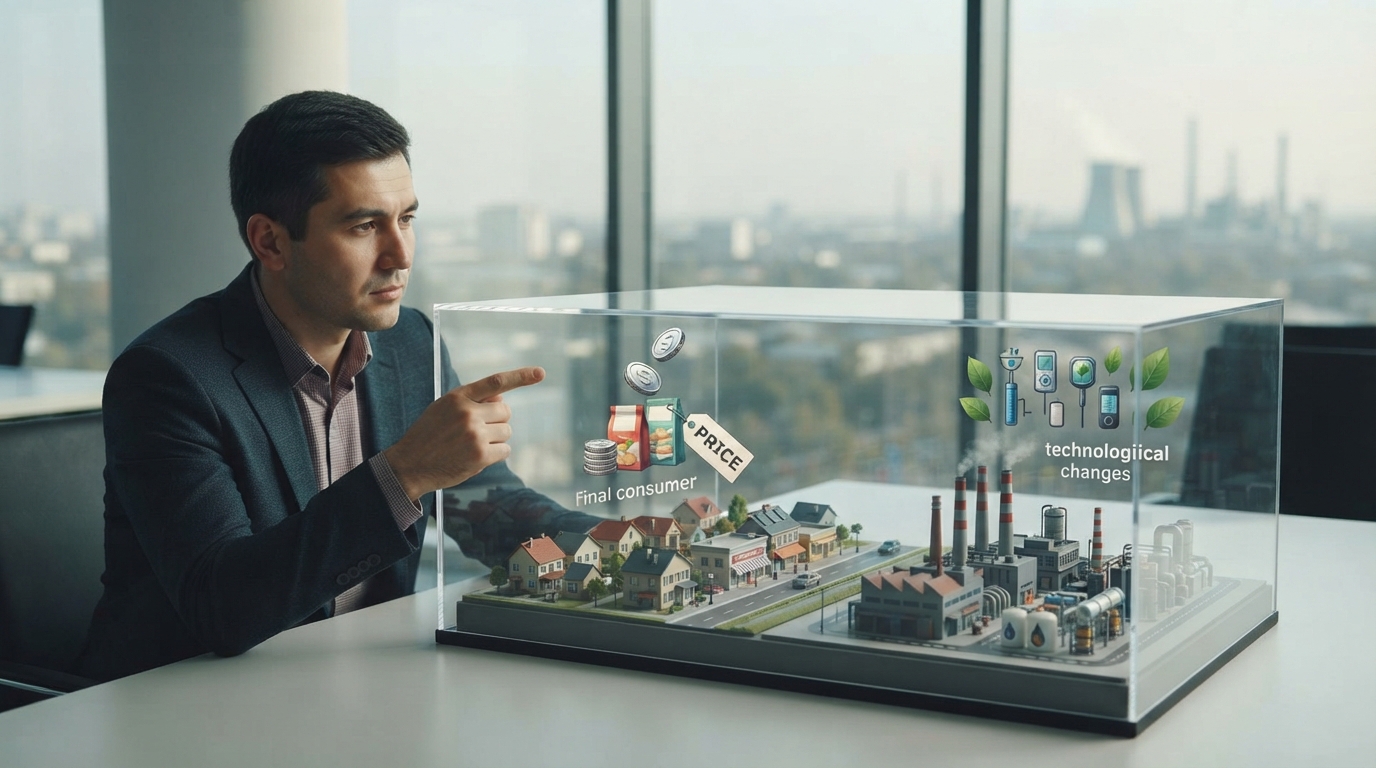
The carbon tax proposed by authorities in Uzbekistan could ultimately lead to higher prices for the end consumer.
“If the carbon tax is introduced as an additional tax, it will directly affect prices. Because, like an excise tax, it is added to the price. In this case, the tax amount is calculated based on the question: 'How much carbon do you emit into nature with the machinery at your enterprise?' Naturally, this burden falls on the shoulders of the population, who are the end consumers.
However, if it is applied only to producers of fuel and energy products, it will be included in part of the price, and its impact on the end consumer will be limited.
Therefore, I would take a cautious approach. It may be appropriate to apply it only to producers of fuel and energy products. Because if it is also applied to enterprises that use fuel products as raw materials, it will directly affect the price of every product,” says the tax consultant.
“The main goal should not be revenue for the budget”
According to economist Otabek Bakirov, the main goal of the carbon tax should not be additional revenue for the budget, but rather encouraging polluting enterprises to comply with environmental requirements.
“I believe the goal of introducing a carbon tax should be to urge the chemical industry, thermal power plants, and oil and gas refiners toward technological changes and approaching environmental standards. It should not be to generate additional budget revenue,” he said.
According to the economist, before introducing the tax, the question of how to measure and assess the impact of enterprises on the environment must be answered.
“Do we have a fair administration or assessment system to introduce a carbon tax? For example, what is our measure for subjecting the coal-fired thermal power plants in Angren to a carbon tax? What are the measurements regarding nature pollution by oil and gas processing companies located in Mubarek, Shurtan, and Guzar?
Do we have these measurements? Do we have assessment tools? Will they be sufficient and fair? This issue must also be brought up,” Bakirov said.
He noted that he is not opposed to the carbon tax itself, but that the grounds for its introduction and its consequences must be studied in advance.