

Bulgaria's presidential election goes to a second round
In the first round of the presidential election in Bulgaria, no candidate obtained the required absolute majority of votes. According to preliminary results, incumbent President Iliana Iotova is leading with 34.6 percent of the vote, while former Prime Minister Andrey Gyurov follows with 32 percent. The second round is expected to be held on November 1.
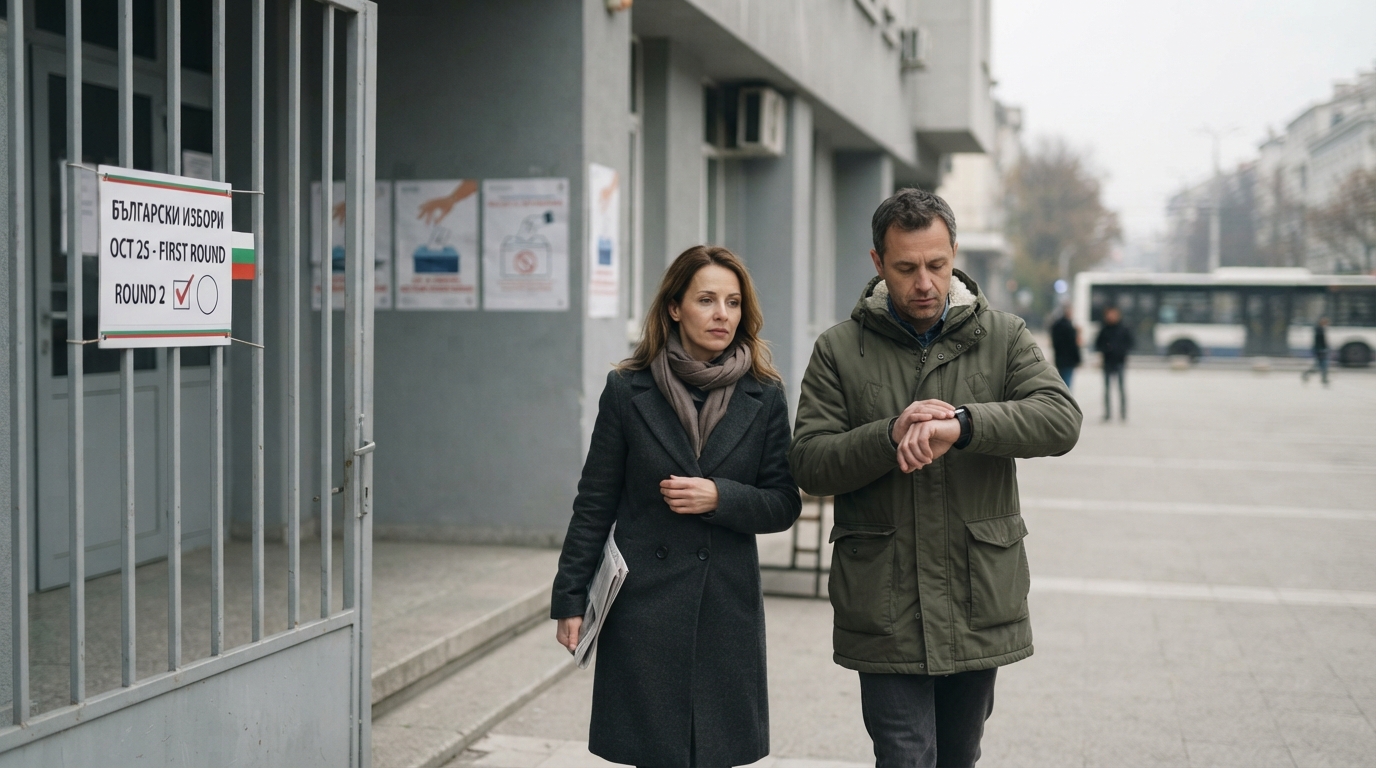
The presidential election in Bulgaria has gone to a second round.
In the vote on October 25, voter turnout was only 22.2 percent. This is well below the more than 50 percent turnout required to elect a president in the first round.
The initial stage of the election campaign was characterized by a small number of rallies, a lack of televised debates, and personal attacks aimed at the main candidates. In recent weeks, differences in views on the issue of providing aid to Ukraine have become one of the main topics.
Iliana Iotova stated that she favors a diplomatic end to the war. She attempted to reassure voters that Bulgarian military personnel would not be sent to Ukraine, even though this issue had not been a primary topic of broad public discussion.
Andrey Gyurov, described as pro-Western, has previously supported Ukraine. During his time leading the government, he signed a security cooperation agreement with Kyiv.
Events related to Black Sea security also influenced the election campaign. In October, four merchant ships were presumably attacked by drones near the Bulgarian coast. Meanwhile, a Starlink station near Sofia was damaged as a result of arson.
According to the publication, Iotova and the government led by Rumen Radev reacted cautiously to these events, refraining from giving a definite assessment or naming those responsible.
Although the powers of the president in Bulgaria are limited, the president represents the country in the international arena and serves as the commander-in-chief. The president also signs decrees appointing the chief prosecutor and heads of the supreme courts, appoints an interim prime minister from a constitutionally designated pool of individuals, and has the right to veto laws passed by parliament.