

Bill Gates expects robots to perform most jobs in 20 years
According to Microsoft co-founder Bill Gates, in about 20 years, AI robots will be able to perform many tasks such as building houses, growing food, and conducting surgical operations. This could make goods and services cheaper, but the transition period is likely to be difficult for employees whose labor will see a decline in demand.
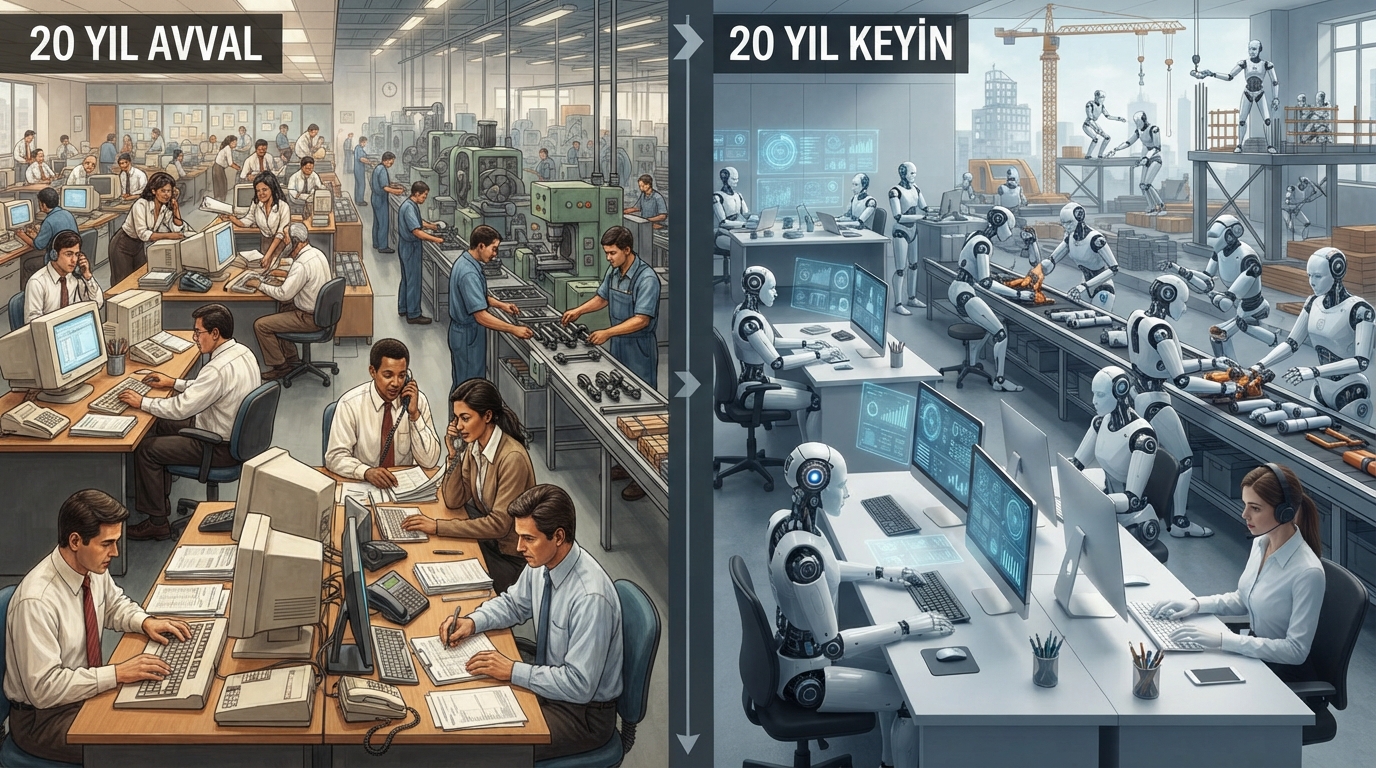
Bill Gates expects robots to perform most jobs in 20 years
Bill Gates shared his views on the future of human labor on The Verge's Decoder podcast. According to him, many tasks that people perform today could be taken over by artificial intelligence and robots in the future.
Gates expects these changes to take place in about 20 years. However, his forecast depends on a key condition — the development of artificial intelligence must not slow down.
According to his assessment, robotic labor will be cheaper and more efficient than human labor. As a result, human labor may no longer be needed for the production of most goods and the provision of services.
Gates noted that such changes could lead to lower prices for goods, improved quality of medical care, and reduced scarcity. However, this process will not be equally easy for everyone. Employees whose professional skills experience falling demand could face serious difficulties, in particular.
The changes are initially expected to be felt in office work and certain professions that rely primarily on mental labor. In Gates's view, the impact of artificial intelligence in these areas could become clearly evident in the near future.
For example, artificial intelligence will be able to handle tasks such as phone sales, customer service, and accounting. Gates expects technology to gain the capacity to carry out these tasks much cheaper, faster, and more accurately.
In his opinion, once artificial intelligence achieves cognitive abilities superior to humans, the shortage of specialists in fields related to office and mental labor will come to an end.
Humanoid robots could have a similar impact on the physical labor market. This applies to construction and agriculture, among other areas. Shifting tasks such as building homes or growing food to robots could reshape jobs in these sectors.
The conversation also drew attention to growing investments in robotics, especially in China. According to Gates's assessment, this shows that the possibility of creating machines that perform physical work at low cost is real.
At the same time, he also emphasized the positive opportunities of automation. Robots could build cheaper housing, while artificial intelligence could help develop disease treatments. Such technologies have the potential to raise living standards and make essential services more affordable for more people.