

Aseptic filling technology, water control, and promo campaign: A special report from the Elevíva beverage plant
A new product – Elevíva – has been introduced to the Uzbek beverage market.
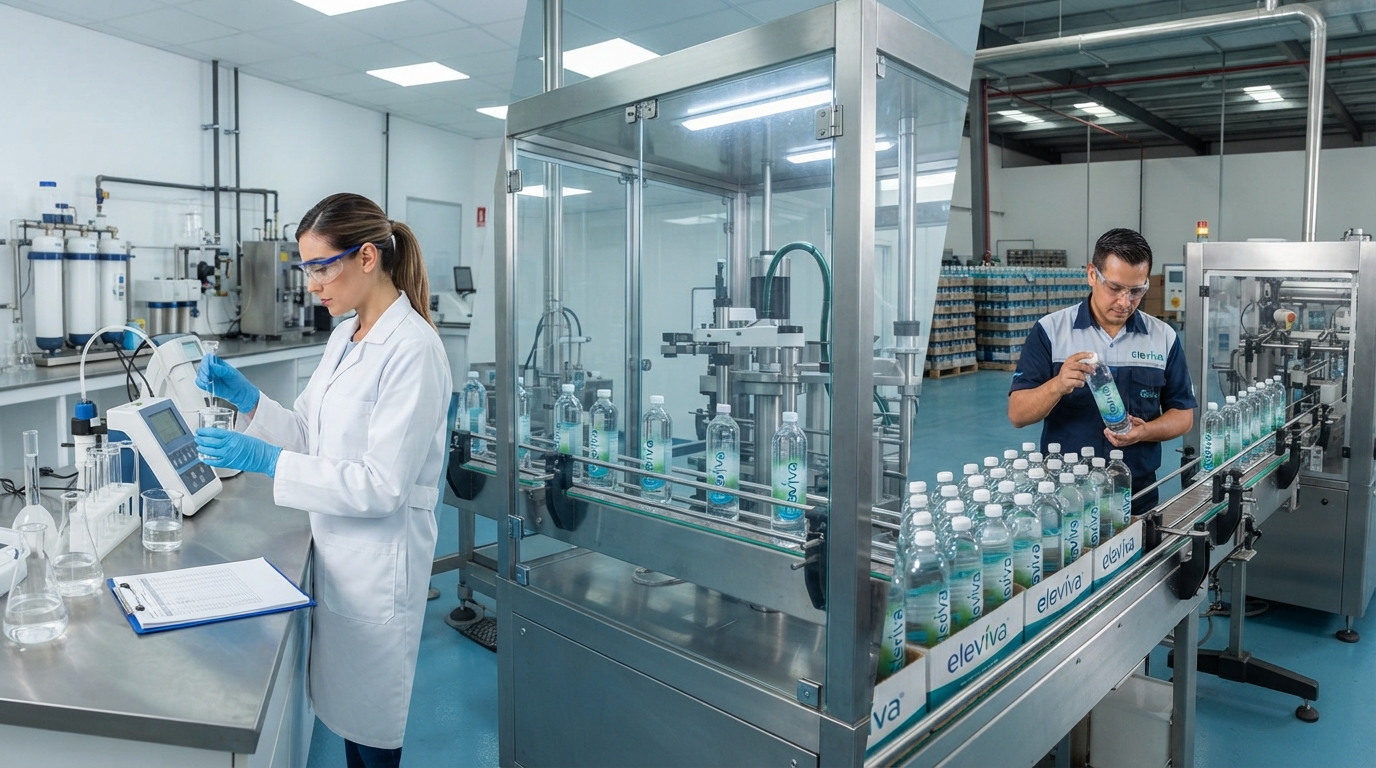
Aseptic filling technology, water control and promo campaign: A special report from the Elevíva beverage plant
A new product — Elevíva — has been introduced to the Uzbek beverage market. This brand, owned by Family Group, is the next product in line, following the company's previous offerings popular among Uzbeks, such as RC Cola, Flavis, ArkTea, Fensi, and many others. The company's management announced that aseptic filling technology is being used in the production process of the new product. This method allows the beverage to be prepared without preservatives and filled into specially sanitized packaging. A Kun.uz correspondent got acquainted with the production stages, water and raw material control, and how the quality of the finished product is checked.
One of the main features of the Elevíva production line is the use of aseptic filling technology. Simply put, in this type of operation, special attention is paid to ensuring the microbiological safety of the product and packaging. For this purpose, PET bottles and preforms into which the beverage is poured undergo special pre-treatment.
As explained by the plant representatives, PET bottles are sanitized using a gaseous fraction of hydrogen peroxide. After that, the beverage is poured into the pre-prepared packaging. The company emphasizes that this technology has made it possible to manufacture the product without preservatives.
Not using preservatives increases the requirements placed on production technology. In this case, the packaging of the product, the overall environment, and the quality of raw materials must be constantly monitored. According to company representatives, the use of an aseptic line also affects the cost of the product. Therefore, Elevíva is being presented as a beverage aimed at the premium segment.
The water used in beverage production is under special control. There are artesian wells on the territory of the plant, and central tap water is not used.
Underground water is passed through a special filtration system. At each stage of filtration, the water is tested by laboratory staff, and the state of the water in the production process is monitored step-by-step.
In addition, raw materials brought into the plant also undergo quality control before being put into production. In the laboratory, in particular, the physical and chemical parameters of sugar syrups, semi-finished products, and finished beverages are checked. Finally, the products are sent for microbiological analysis. That is, control continues not only after the product is ready, but from the moment the raw materials arrive at the plant until the subsequent stages of production.