

An energy audit will be conducted in multi-story buildings in Tashkent with the participation of World Bank experts
The Tashkent city administration announced that starting September 21, a comprehensive energy audit will be conducted in multi-story residential buildings with the participation of World Bank specialists. The studies are aimed at identifying the causes of heat loss and determining measures for the efficient heating of buildings.
An energy audit will be conducted in multi-story buildings in Tashkent with the participation of World Bank experts
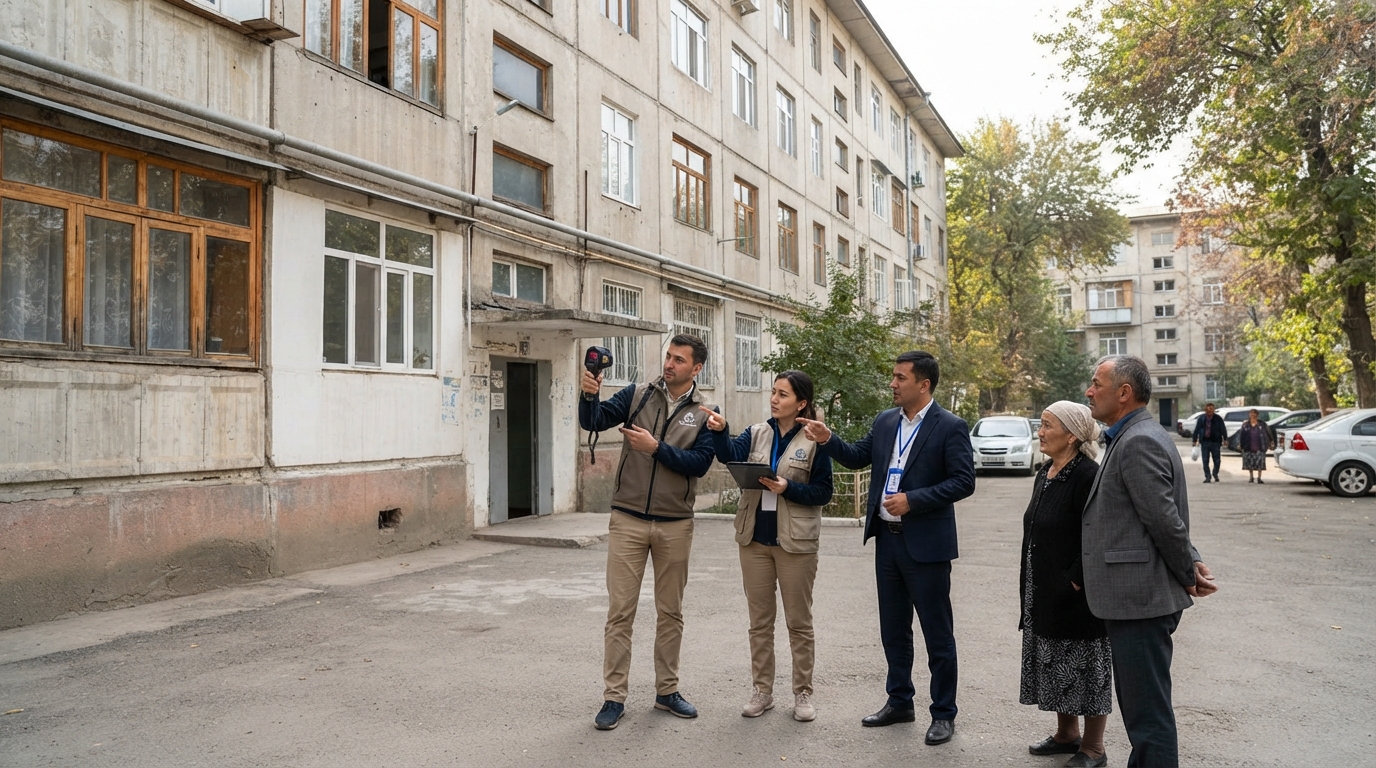
Starting from September 21, a comprehensive energy audit will be carried out in multi-apartment buildings in the city of Tashkent with the support of World Bank experts.
The energy audit will be organized in multi-apartment buildings that were not heated in accordance with the established regulatory requirements during the last heating season. The relevant buildings were selected based on the results of targeted studies conducted under the leadership of the Deputy Khokim of Tashkent City for Housing and Communal Services.
During the studies, the current technical and energy status of the buildings, sources of heat loss, external walls, roof and basement areas, doors and windows, as well as internal heating systems will be inspected. In addition, the efficiency of thermal energy use will be assessed.
World Bank experts will conduct the necessary instrumental measurements to identify the main factors causing heat loss in each building. Appropriate technical solutions will be developed to eliminate them.
Based on the audit results, it is planned to develop a methodology for the efficient heating of multi-apartment buildings in Tashkent. It will take into account the technical condition of the buildings, energy efficiency, the level of heat loss, and other technical indicators.
The Khokimiyat noted that this methodology will serve to assess multi-apartment buildings from an energy efficiency perspective, identify buildings that need modernization, and determine targeted measures aimed at reducing heat losses.
In addition, unified approaches will be developed for the rational use of electricity and natural gas resources, as well as the implementation of energy-saving solutions.