

American Airlines to bring back TV screens on US flights
It is also adding more premium seats, with the changes aimed at improving the travel experience and boosting revenue.
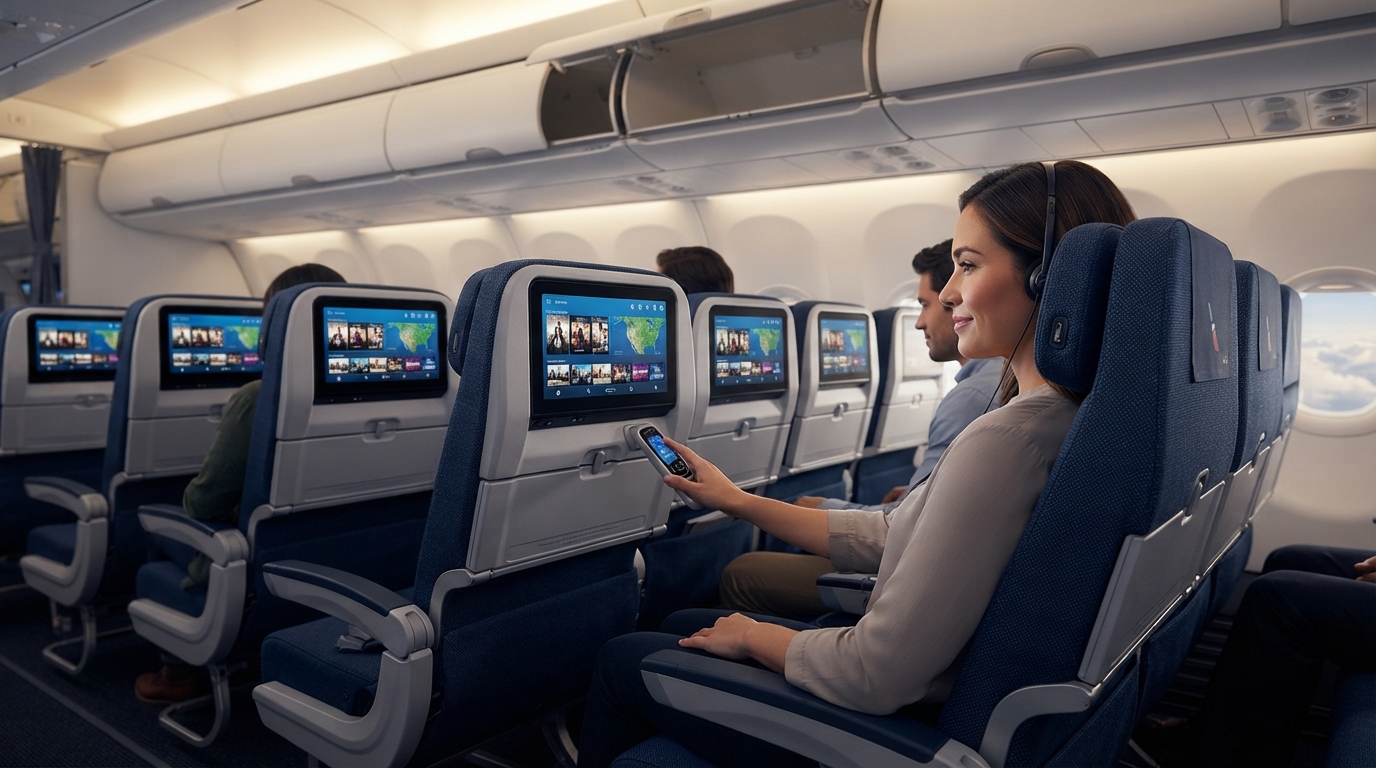
American Airlines is set to reintroduce television screens on its domestic flights within the United States, a move that marks a significant shift from its 2017 decision to remove them. The airline aims to provide passengers with in-flight entertainment options beyond their personal electronic devices.
The carrier announced its intention to reinstate seatback displays across its entire domestic fleet, reversing a strategy that had seen these screens removed from the majority of its U.S. routes for several years. This initiative is part of a broader cabin investment unveiled this week, which also includes the addition of more premium seating. American Airlines stated that these enhancements are designed to improve the travel experience for passengers and boost revenue.
This change comes after years of passenger feedback, with many expressing dissatisfaction over relying solely on personal devices due to issues like depleted batteries, uncomfortable viewing angles, and inconsistent Wi-Fi connectivity. The decision also coincides with efforts by U.S. airlines to stabilize demand in a market that is currently experiencing a slowdown.
For much of the last decade, American Airlines had progressively eliminated seatback screens from its Boeing 737s and Airbus A320-family jets. At the time, the airline argued that most travelers preferred to stream entertainment on their own devices. Furthermore, the company cited reduced weight and maintenance costs as benefits of removing built-in displays, aligning with an industry focus on efficiency.
However, this strategy placed American Airlines out of step with rivals such as Delta and United, both of whom have made substantial investments in onboard entertainment to support a more premium cabin experience. JetBlue, meanwhile, consistently retained seatback televisions. Analysts suggest that these choices by competitors have influenced passenger expectations, making screens increasingly perceived as a standard feature on many U.S. flights rather than a luxury.
Savanthi Syth, an analyst at Raymond James, commented to the BBC that "The long pull in the tent is technology." She highlighted Delta as the first major U.S. carrier to introduce a basic economy fare and noted its continuous addition of new products since then. Syth explained that these early actions positioned Delta further along in its "commercial journey," and the pace at which an airline introduces new offerings often correlates with the maturity of its existing strategy.
As technology advances, offering lighter hardware, reduced power consumption, and more affordable installation, the justification for airlines to include screens has become easier. American Airlines plans to roll out the new displays as quickly as possible, with full installation anticipated by the early part of the next decade.
This reversal by American Airlines suggests an effort to maintain competitiveness and consistency within the industry. The airline appears to be betting that more reliable onboard amenities will help attract customers while still appealing to travelers who are mindful of their budget.