

A psychologist named the most important thing for a first-grader instead of grades.
Psychologist Tatyana Aleksandrova explained how to help a child adapt to school and why support and interest are more important in first grade.
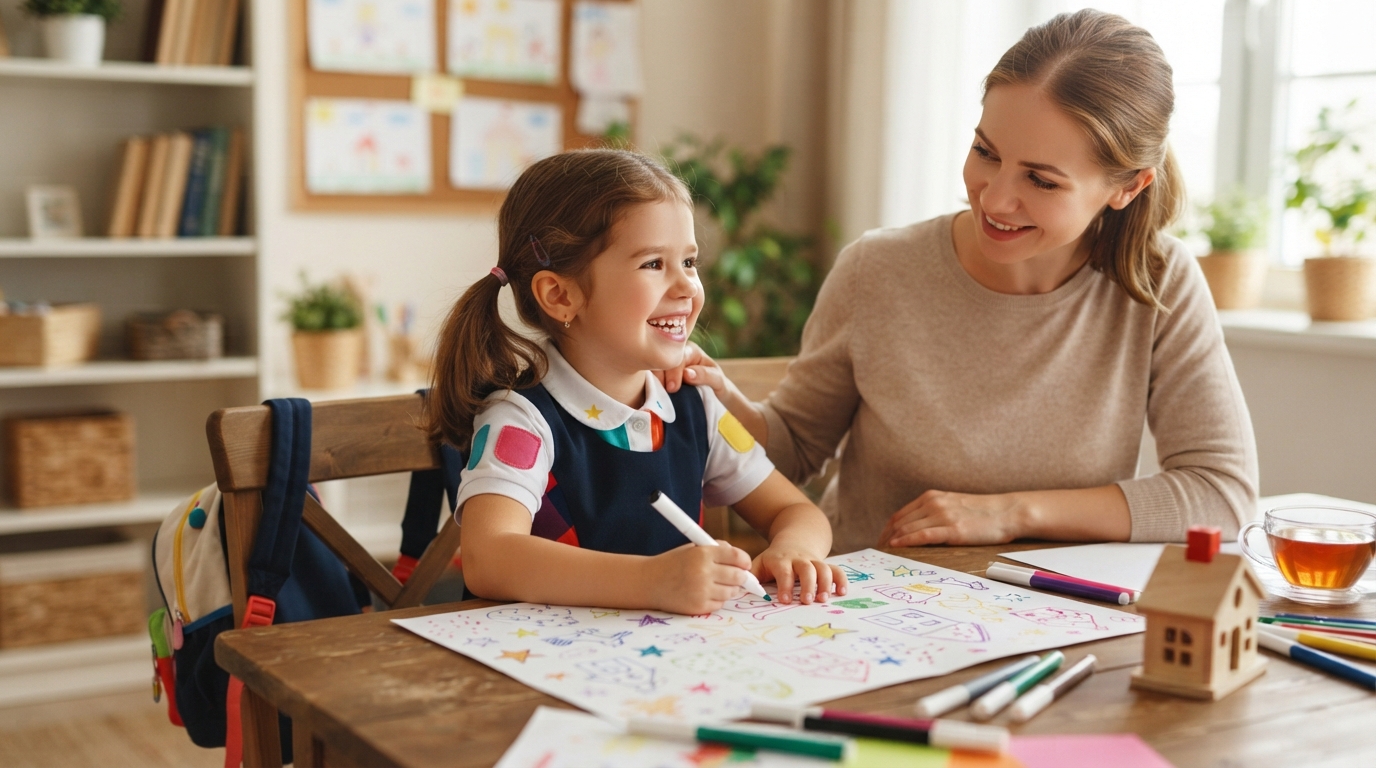
Tatyana Aleksandrova, Associate Professor of the Department of Developmental Psychology and Family Pedagogy at the Herzen State Pedagogical University of the Russian Federation, emphasized that for first-graders, successful adaptation to the school environment, the ability to overcome difficulties, and maintain interest in learning are most important, not academic achievements.
Aleksandrova believes that parents should support their children's curiosity, be calm about their mistakes, and avoid comparisons with other students.
The transition from kindergarten to school is a significant change in a child's life. For the first time, they encounter systematic learning, requiring adherence to rules, following instructions, and independent behavior. The child's social status also changes: they become a student. Furthermore, they must get used to a new group, teacher, school environment, and daily routine.
Aleksandrova notes that the very novelty of the situation can cause anxiety. Therefore, parents are advised to foster a positive view of school in their children, describing learning as a new and exciting stage, rather than a difficult challenge. The psychologist also advises adults to pay attention to their own emotional state. Parents' anxiety can be transmitted to their children, so it's important not to reinforce their fears by talking about the difficulties of school. Instead, explain the new opportunities that await them and emphasize that their parents will always be there for them.
Alexandrova urges against prioritizing academic achievement in first grade. She believes it's far more important for children to gradually adapt to new conditions, learn to interact with classmates and teachers, cope with difficulties, and not be afraid to make mistakes.
At the same time, parents should closely monitor their first-grader's well-being. Sleep disturbances, irritability, moodiness, and constant complaints of fatigue may indicate excessive workload. In such cases, the specialist believes, the child should be given opportunities to rest, move, or play, rather than demanding additional effort.
The psychologist places particular importance on play. Even after school begins, play remains an important part of a child's development, fostering spontaneity, communication, and imagination. Drawing, modeling, construction, dancing, and music lessons also develop skills necessary for academic activities.
According to the specialist, a safe atmosphere should be maintained at home, where children can make mistakes without fear of punishment or judgment. Parents should also avoid comparing them to other children.
Aleksandrova advises first-graders to not be afraid of mistakes, to ask questions, to seek out friends, and to believe in themselves.