

A new wave of protests has begun in Tbilisi
In the capital of Georgia, thousands of people took part in a protest march while a lawsuit to ban opposition parties was being heard in the Constitutional Court. Opposition leaders called this the beginning of a new wave of protests and announced plans to hold a major rally on November 28.
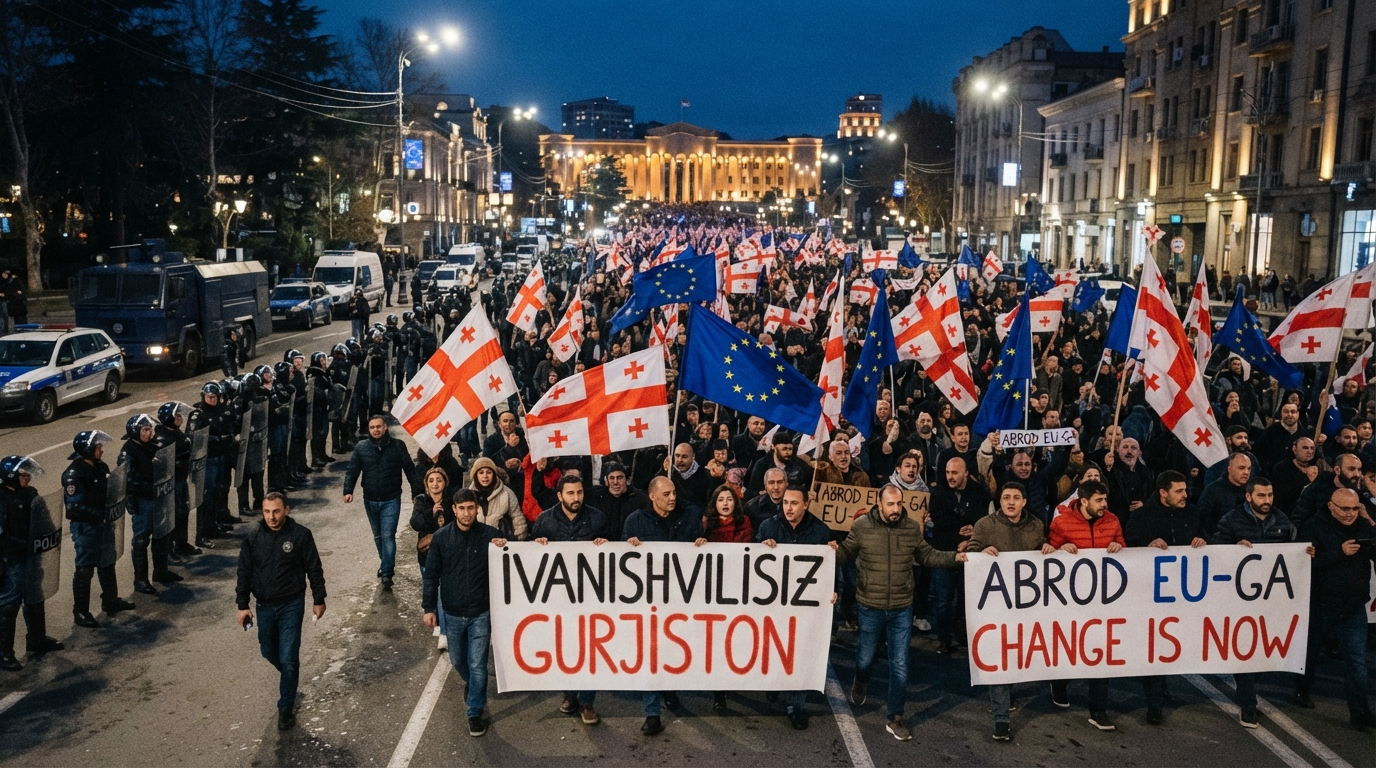
A new wave of protests has begun in Tbilisi
According to DW, on October 25, a march was held in Tbilisi under the slogan "Georgia without Ivanishvili" against the policies of the ruling "Georgian Dream" party. It was organized by representatives of the opposition and civil society.
As reported by the "Kavkazskiy Uzel" publication, participants headed from Tbilisi State University toward Rustaveli Avenue. Thousands of people took part in the rally, carrying the flags of Georgia, Ukraine, and the European Union. A large number of law enforcement officers were also deployed to the area.
Nika Gvaramia, leader of the "Coalition for Change," called this action the beginning of a new wave of protests before the rally. He emphasized the importance of gathering as many people as possible on November 28. This date coincides with the second anniversary of the mass demonstrations that began in Georgia in November 2024.
Giga Tsereteli, leader of "European Georgia," also announced that a major action is planned for November 28.
In a statement quoted by "Gruziya Online," Tsereteli said that democracy in the country is being undermined and political life is being restricted. In his view, Georgia, which was once a leader on the path to European integration, is now falling behind. The politician also listed the issue of banning parties and the fate of individuals he considers political prisoners among the main problems.
Mass protests in Georgia began in the spring of 2024 against the law on "foreign agents." The demonstrations later intensified following the victory of the "Georgian Dream" party in the parliamentary elections.
In November of that year, after the government announced it would delay negotiations on joining the European Union until 2028, the protests escalated into a full-scale political crisis. The demonstrations were accompanied by clashes with the police, as well as the use of tear gas and water cannons.