

Uzbekistan selects 40 restaurants for gastronomic tourism program
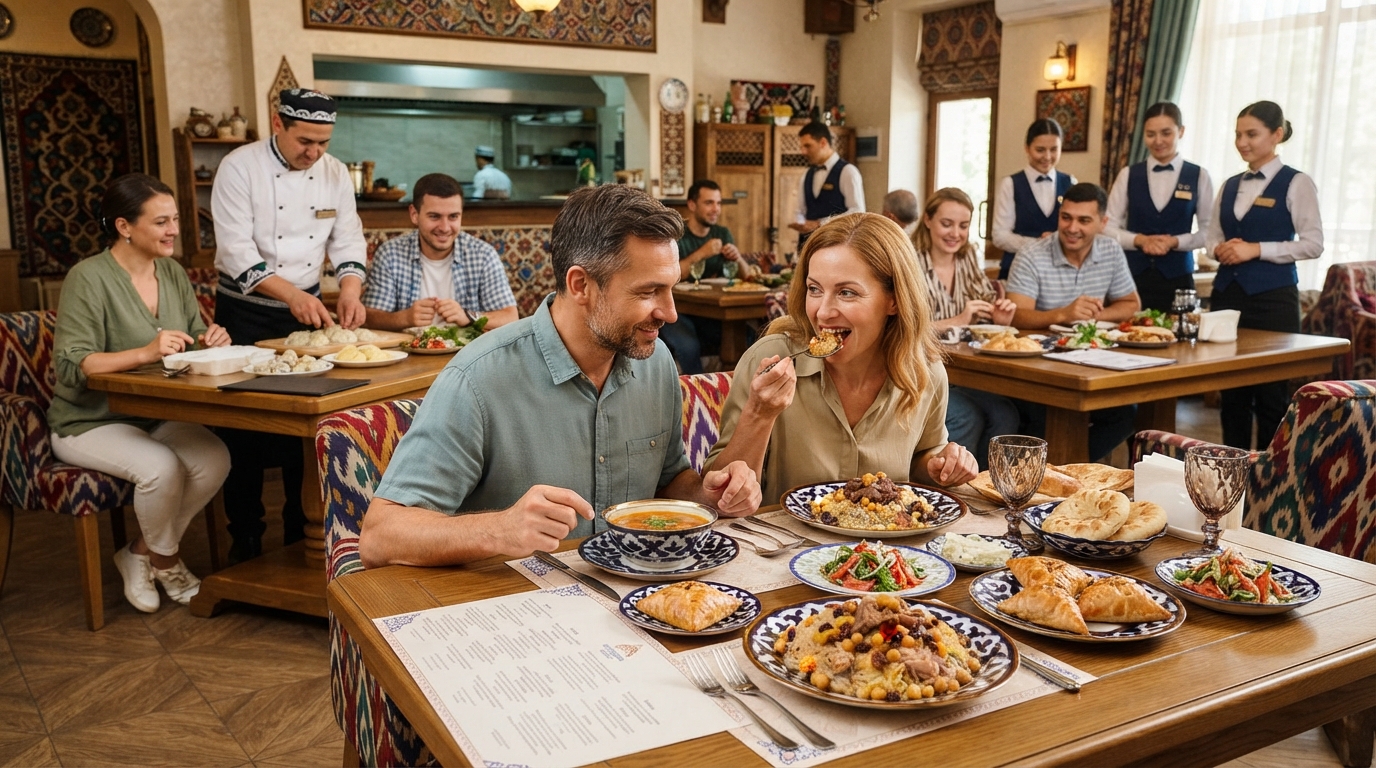
Uzbekistan's Tourism Committee has unveiled two new programs aimed at bolstering gastronomic tourism, with approximately 40 restaurants across Tashkent, Samarkand, Bukhara, and Khorezm chosen to elevate their services and showcase Uzbek cuisine to visitors from abroad.
Dubbed "Gastro Marketplace" and "Tourist Friendly Restaurants," these initiatives were introduced by the Tourism Committee's project office as part of a broader strategy to enhance Uzbekistan's culinary tourism sector. Instead of developing a dedicated restaurant application, the projects focus on equipping participating establishments to cater to international tourists and market their culinary offerings via global digital platforms. The selection process identified around 40 restaurants in Tashkent, Samarkand, Bukhara, and Khorezm for inclusion in the program.
A key aspect of the initiative involves restaurants crafting unique national dish sets specifically tailored for tourists. These sets are designed to provide a more balanced and approachable selection while maintaining the authentic essence of Uzbek cuisine. The project team is currently developing standardized technological recipes for these dishes, along with English-language menus and professional visual branding for the participating venues.
The initiatives also incorporate a culinary master-class element. Approximately 80 individuals keen on organizing such classes have been chosen and will undergo relevant training. Furthermore, participating restaurants will receive instruction on international service standards for engaging with foreign tourists. To facilitate promotion, the Tourism Committee has established a specialized database containing details about the participating restaurants and their gastronomic offerings. This database will be utilized to promote these businesses across global digital platforms.
According to the committee, these projects are designed to enable Uzbek restaurants to attract international tourists, implement contemporary service standards, and solidify the nation's cuisine as a distinct gastronomic tourism brand. The initiatives are also anticipated to foster opportunities for local entrepreneurs and family-run businesses, allowing them to integrate more deeply into the tourism economy and capitalize on the increasing demand for culinary experiences.