

Uzbekistan Held 7,517 People Liable for Corruption in 2025
Uzbekistan held 7,517 people criminally liable for corruption in 2025, while damage to state interests exceeded 2.9 trillion soums.
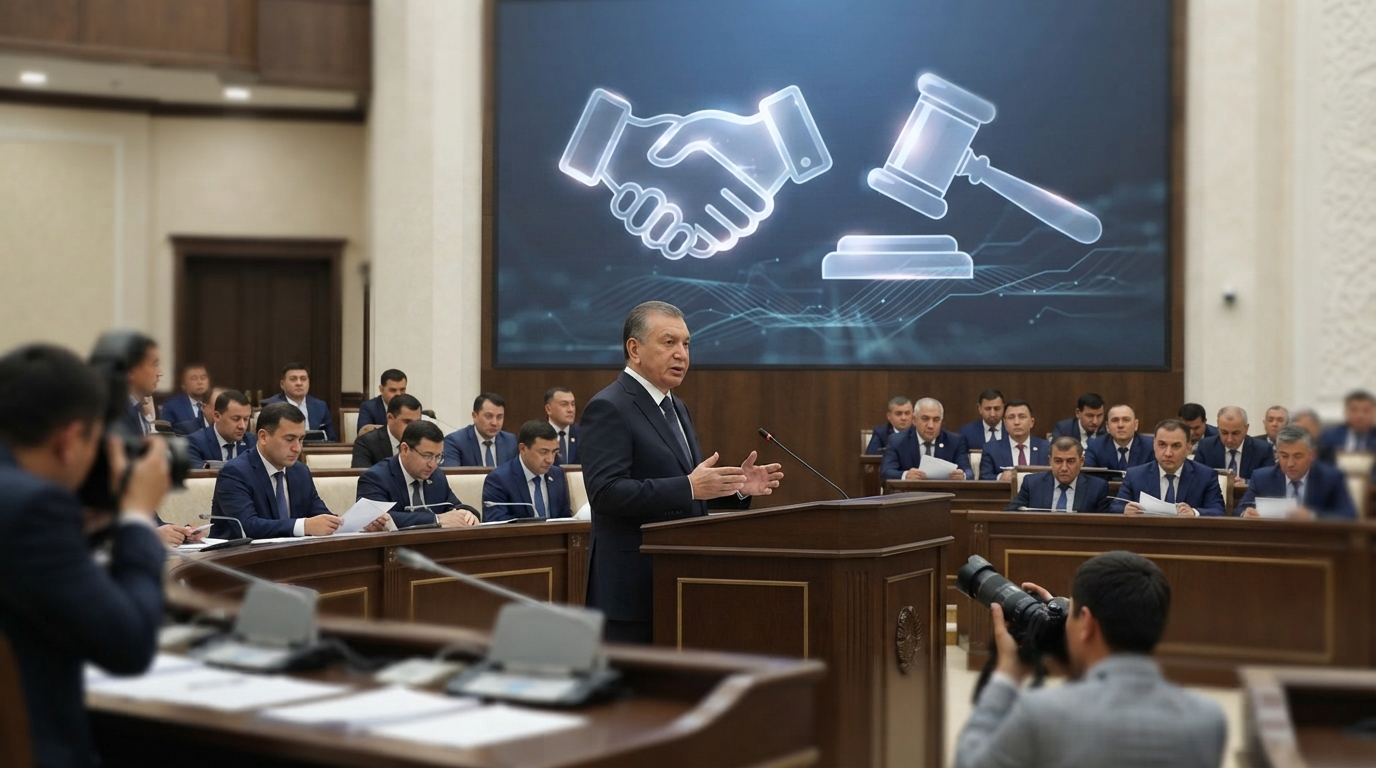
In 2025, Uzbekistan saw 7,517 individuals face criminal charges for corruption, with the financial detriment to state interests surpassing 2.9 trillion soums. These statistics were disclosed in the National Report on Combating Corruption, which underwent review during the 18th plenary session of the Oliy Majlis Senate, as reported by the Senate itself.
The report detailed that 2025 initiatives to combat corruption included enhancing openness and transparency in public administration, digitizing public services, implementing corruption prevention strategies, and bolstering public oversight.
Specifically, following directives from an expanded meeting of the National Council on Combating Corruption, which included the President of Uzbekistan, investigations into the root causes of corruption and bureaucracy were conducted across all regions within the healthcare, education, employment, banking, and cadastre sectors.
These investigations led to regional and ministerial field meetings, and targeted "road maps" were subsequently approved for districts and cities identified with elevated corruption risks.
Furthermore, seven new regulatory legal acts aimed at strengthening the anti-corruption framework were enacted in 2025. Efforts also focused on further digitalizing public services and identifying and rectifying irregularities in public procurement.
State bodies and organizations also established independent internal anti-corruption control structures, operating on a compliance basis.
However, during the report's discussion, senators highlighted ongoing systemic issues. The highest incidence of corruption offenses was observed in preschool and school education, healthcare, local government bodies, and commercial banks.
Corruption-related factors were identified in 25% of draft regulatory legal acts. Public procurement revealed violations amounting to 12.6 trillion soums. Concurrently, certain state bodies and regions exhibited subpar performance in anti-corruption effectiveness and their openness index.
Senators underscored the imperative to enhance the efficacy of preventive measures, reinforce legal compliance in public procurement, strengthen internal control systems, and ensure transparency in state body operations.
Particular emphasis was placed on intensifying oversight of the compensation for state damages resulting from corruption.
During the discussion, senators put forth proposals to further refine the anti-corruption efforts of the Anti-Corruption Agency, various ministries and agencies, and local government bodies.
Following its deliberation of the National Report, the Senate passed a corresponding resolution.