

Uzbekistan adopts new road law allowing toll roads with free alternatives
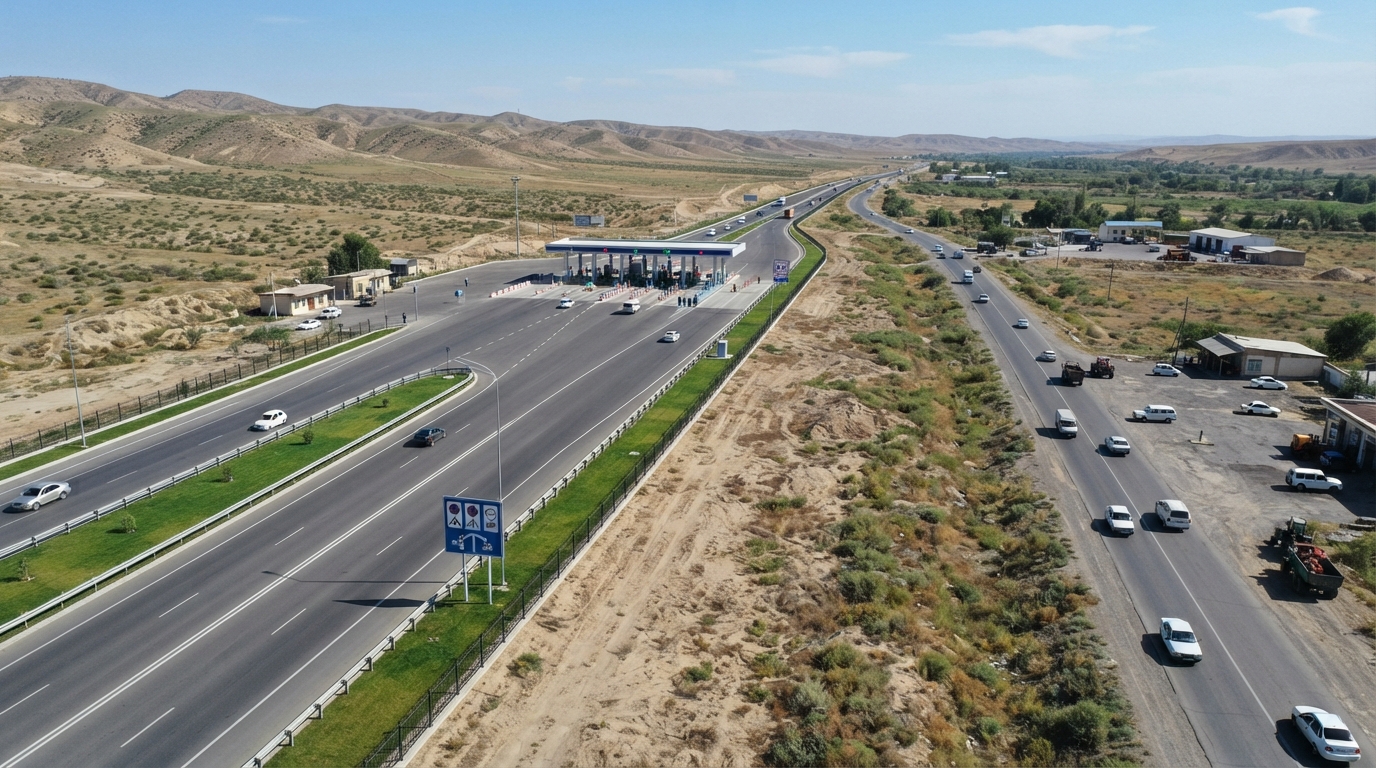
Uzbekistan's President Shavkat Mirziyoyev enacted a new Law on Automobile Roads on August 5, ushering in a modernized legal structure for the nation's road network, which includes provisions for the creation and management of toll highways.
The new law categorizes Uzbekistan's roads into three types: public roads; streets and internal roads within urban and other populated areas; and commercial or institutional roads. Public roads will continue to be state-owned, managed by the country's Roads Committee, and accessible for all vehicles without restriction.
Minimum right-of-way specifications are also set by the law, varying from 25 meters for Category V roads to 80 meters for Category I roads, based on their classification. Road owners will bear the responsibility for upkeep and repairs, either directly or by contracting specialized road maintenance entities. Special permits from designated authorities will be mandatory for heavy and oversized vehicles before they can use public roads.
A significant aspect of the legislation is the creation of a legal framework for toll roads. The President or, within its purview, the Cabinet of Ministers, can authorize their construction, renovation, and operation. Crucially, a toll road can only be implemented if drivers are offered a free alternative route between the same locations, which must be maintained in good operational condition.
Motorists can gain access to toll roads by agreeing to terms with the operator, which can be done by entering the road, paying at a toll booth, or purchasing a road pass. The legislation stipulates that toll fees can only be applied to roads that offer faster travel speeds and superior services along the route.
This new law supersedes Uzbekistan's prior road legislation, which was adopted in 2007.