

Uzbek fiscal institute calls for 26% increase in student stipends
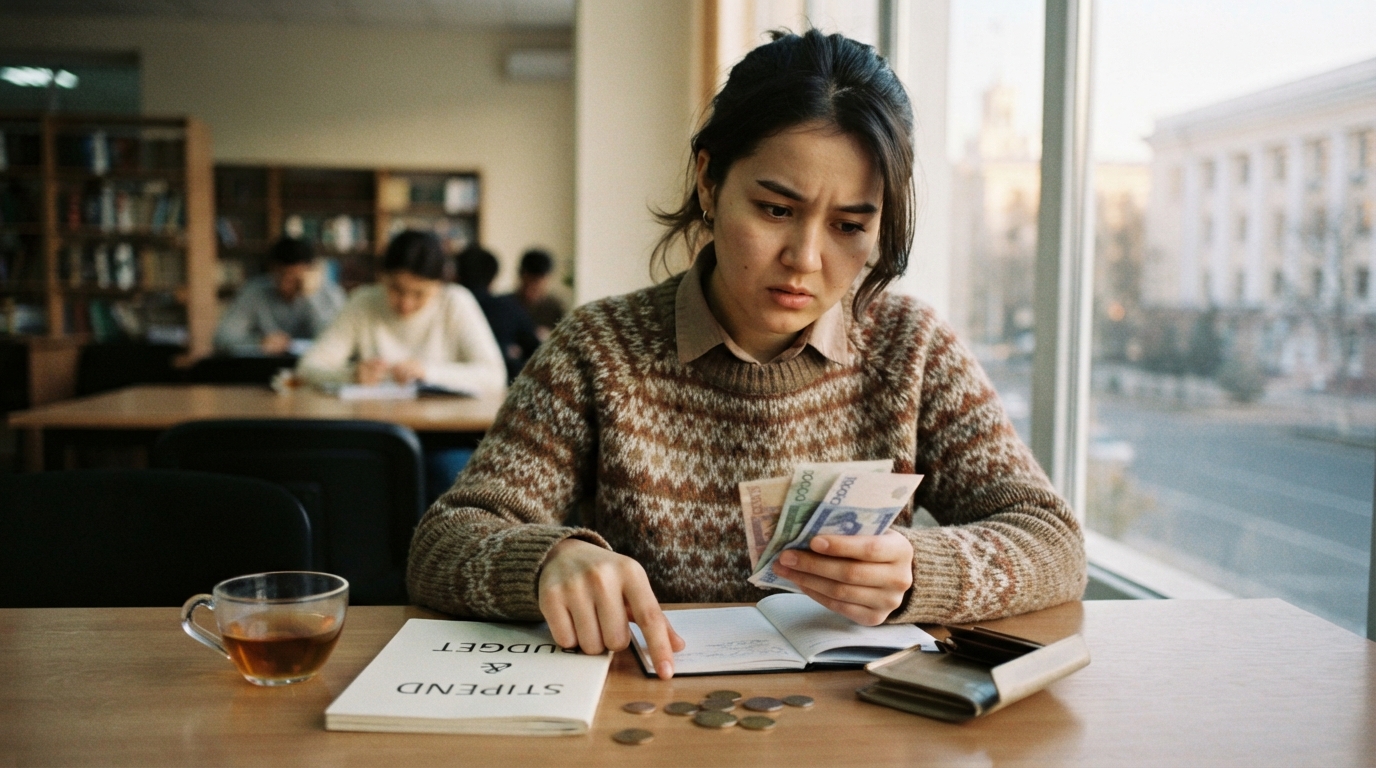
The Institute for Fiscal Studies in Uzbekistan has put forward a recommendation to boost student stipends by 26%, bringing them up to par with the minimum consumer expenditure. The institute argues that the current stipend amounts are insufficient to cover students' daily living costs and has also suggested implementing more focused financial aid.
This proposal emerged during a fiscal dialogue held in Tashkent on July 30, where the institute highlighted several deficiencies within the nation's existing student stipend framework.
Uzbekistan is home to approximately 1.6 million university students, yet only 118,000, or 7.3%, are currently recipients of stipends, according to the institute.
The institute noted that the fundamental student stipend falls short of the minimum consumer expenditure and does not adequately reflect students' social and financial circumstances.
Currently, Uzbekistan's minimum consumer expenditure is set at UZS 715,000 ($60.1), while the standard monthly student stipend is UZS 569,870 ($47.9).
This means the present stipend is roughly 20% below the minimum consumer expenditure, resulting in a monthly deficit exceeding UZS 145,000 ($12.2).
The institute's proposal includes introducing targeted stipend support and elevating the basic payment to at least the minimum consumer expenditure level.
Furthermore, it advised maintaining rental housing subsidies and expanding scholarship initiatives funded by various ministries, government bodies, and employers.
The subject of increasing student stipends has been a recurring discussion for several years. During an April 15 press conference at the Ministry of Higher Education, Science and Innovation, ministry representatives disclosed that a proposal to raise stipends by 32–35% was submitted for 2025 but has yet to yield results.
Officials also indicated at the time that student stipends were projected to increase by at least 10% annually. However, a presidential decree stipulates a 7% increase in stipends effective September 1, 2026.
Under the current structure, stipends are primarily disbursed to students enrolled in state-funded grant programs. Up to 10% of students studying under tuition contracts may also qualify for stipends, while the majority of other contract students typically opt to study without them.
The ongoing discussion has also brought into question the relationship between student stipends and university tuition fees.
At the April press conference, Kongratbay Sharipov, Minister of Higher Education, Science and Innovation, stated that stipend policy is intertwined with tuition fees as universities move towards greater financial autonomy and are granted more opportunities to generate their own revenue.
Economist Otabek Bakirov critiqued this approach, contending that stipends should primarily be viewed as a form of social support for students in state-funded programs, rather than a payment linked to tuition costs.
He argued that connecting stipend levels to university contract fees lacks social and economic justification, especially since many primary stipend recipients do not pay tuition.
Should the basic stipend be considered a form of social assistance and aligned with the minimum consumer expenditure threshold, it would necessitate an approximate 26% increase from its current amount, according to the proposal.
The last increase in student stipends, a 10% rise, occurred on August 1, 2025, following a four-year period without any adjustments.