

The cost of being single – and how friends are teaming up to beat it
Many singles face extra costs for housing, bills, food and holidays but there are ways to ease the burden.
**Single Individuals Combat High Costs by Teaming Up for Homeownership**
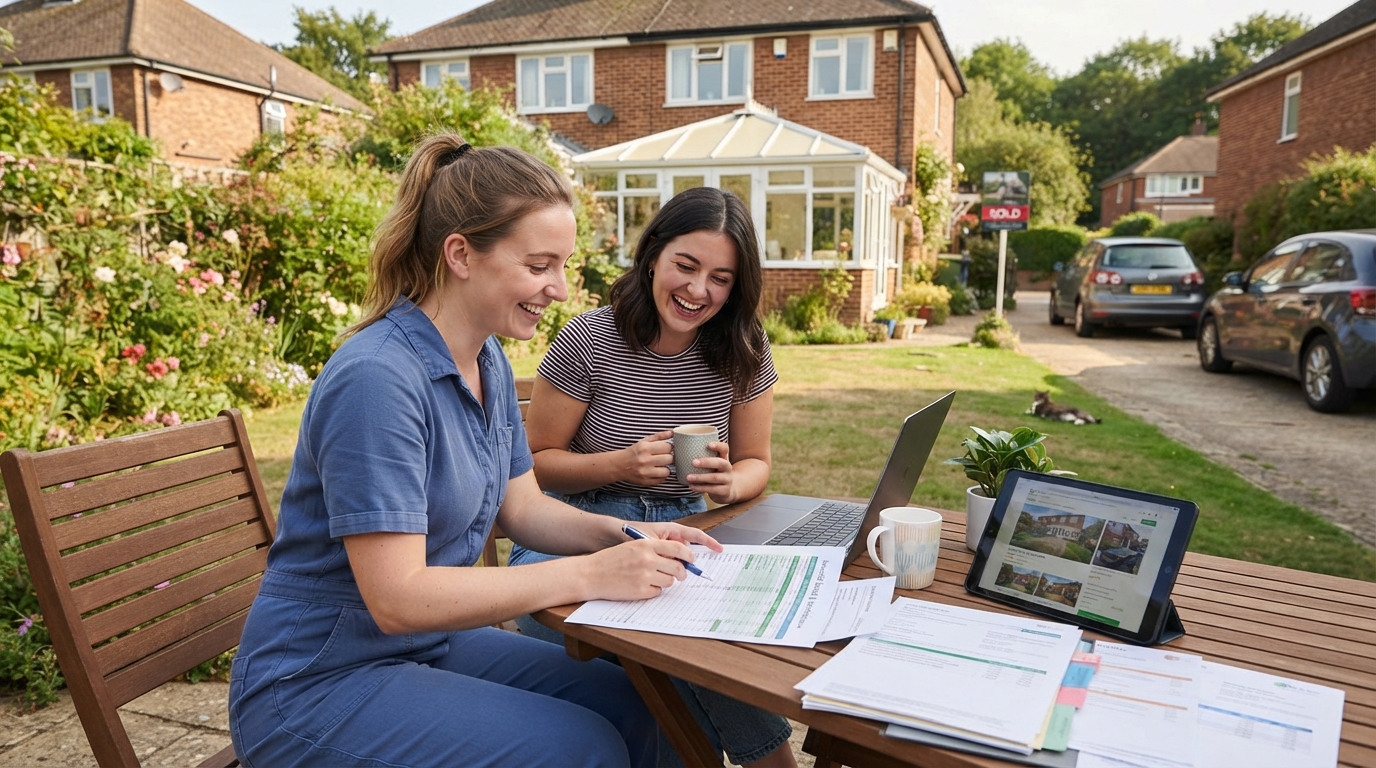
Sarah and Leanne, two friends, successfully navigated the financial challenges of being single by purchasing a home together, a decision they both affirm worked out well.
Leanne, in her late twenties, faced the prospect of delaying her dream of homeownership in her childhood area after a breakup. Despite a good salary, properties with a garden and parking were beyond her solo budget. While she had recently started a new relationship, it was too soon to consider cohabitation.
Meanwhile, her long-time friend Sarah, single and renting a room in a shared Brighton house, also aspired to return to Kent but worried about affording a home on her cabin crew salary.
When Sarah proposed they buy a house together, Leanne initially "totally baulked," she admits. However, after consulting a mortgage adviser, they proceeded, a move they credit with helping them circumvent the "singles tax."
Being unpartnered often incurs additional expenses. While difficult to quantify precisely and varying by location, estimates suggest this "singles tax" could range from hundreds to an average of £10,000 extra per year. Rent or mortgage payments, household bills, and subscriptions cannot be shared. Furthermore, a single person receives only a 25% council tax reduction, not half the amount paid by a couple.
Many discounts are contingent on being a pair, such as 2-for-1 cinema tickets, Two-Together railcards, and couples' gym memberships. Solo travelers frequently face single person supplements.
This issue impacts a significant portion of the population. Official figures for 2024 indicate that 18.5 million people, or 36.8% of those aged 16 and over, had never been married or in a civil partnership. Last year, an estimated 8.6 million people lived alone in the UK, representing nearly a third of all households.
**Is the Single Life More Expensive?**
Before their home purchase, Sarah and Leanne established a minimum cohabitation period of two years, later extended to four. They also outlined a plan for what would happen if one person wished to leave. Their mortgage payments were divided proportionally to account for their differing salaries, and these arrangements were formalized in a declaration of trust to protect them upon sale.
They split household bills, paid from a joint account, with Sarah, the self-proclaimed "bill keeper," tracking monthly transfers. They also reduced costs by sharing meals and cooking, given their similar eating habits.
"We called it our happy home, not our forever home," Leanne stated. Sarah concurred, adding, "And it was a very happy home."
The Homeowner's Alliance highlights benefits of buying with friends, including a larger deposit, increased budget, and shared costs. However, it advises serious consideration of potential pitfalls and proactive planning, including transparent financial discussions, separate legal advice, and a formal agreement.
Four years after moving in, Sarah and Leanne sold their house for a profit, using the accumulated equity towards their subsequent, individual property purchases.
"Neither of us would have been able to do what we've done without having the property that we had together," Sarah remarked. "It's brought us a lot of freedom."
Leanne believes she would have eventually afforded her desired home, but buying with Sarah accelerated the process due to the financial advantages. "The hidden singles tax is that everything has to take so much longer for you to be able to be in a position of affordability to do what you want to do," she added.
Their success inspired their friend Philly to create Cucoon, an online platform designed to connect single individuals for potential co-purchases. Philly aims to "level the playing field," noting that the singles tax is particularly high in housing.
**Strategies for Cost-Cutting in Single Life:**
* **Monetize real estate:** Rent out spare rooms, parking spaces, and garages.
* **Shared dinners:** Friends take turns cooking with larger, more economical ingredients.
* **Borrowing circles:** One person buys an expensive item, like a lawnmower, and shares it.
* **Errand pooling:** Friends share fuel costs by rotating supermarket trips.
Julia Pearson, from Hampshire, launched the Just4One website approximately nine years ago after discovering many holiday providers charged extra for solo travelers. Beyond practical support for single living, the platform lists travel providers that do not impose single supplements.
Being single, she says, feels like a "constant review of your costs all the time."
The RAC, in its money-saving tips for drivers, suggests adding a named driver to car insurance. Julia tried this and saved 8%, though the RAC cautions that this can also increase premiums.
Julia also shares items with friends, borrowing tools for home renovations and giving away plant cuttings from her garden. "I think as a society, we are becoming more social in terms of our sharing and thinking," she observed. "Rather than thinking, 'I've got to go out and buy that,' think about how else can you play that, what else can you do aside from having to buy something? And it's good for the social side as well, two benefits in one."