

Solitude as a new aspirational lifestyle: 'We are not lonely'
A growing number of what the internet has dubbed "loneliness influencers" are spotlighting solo living without children or friends - and it's spurring debate.
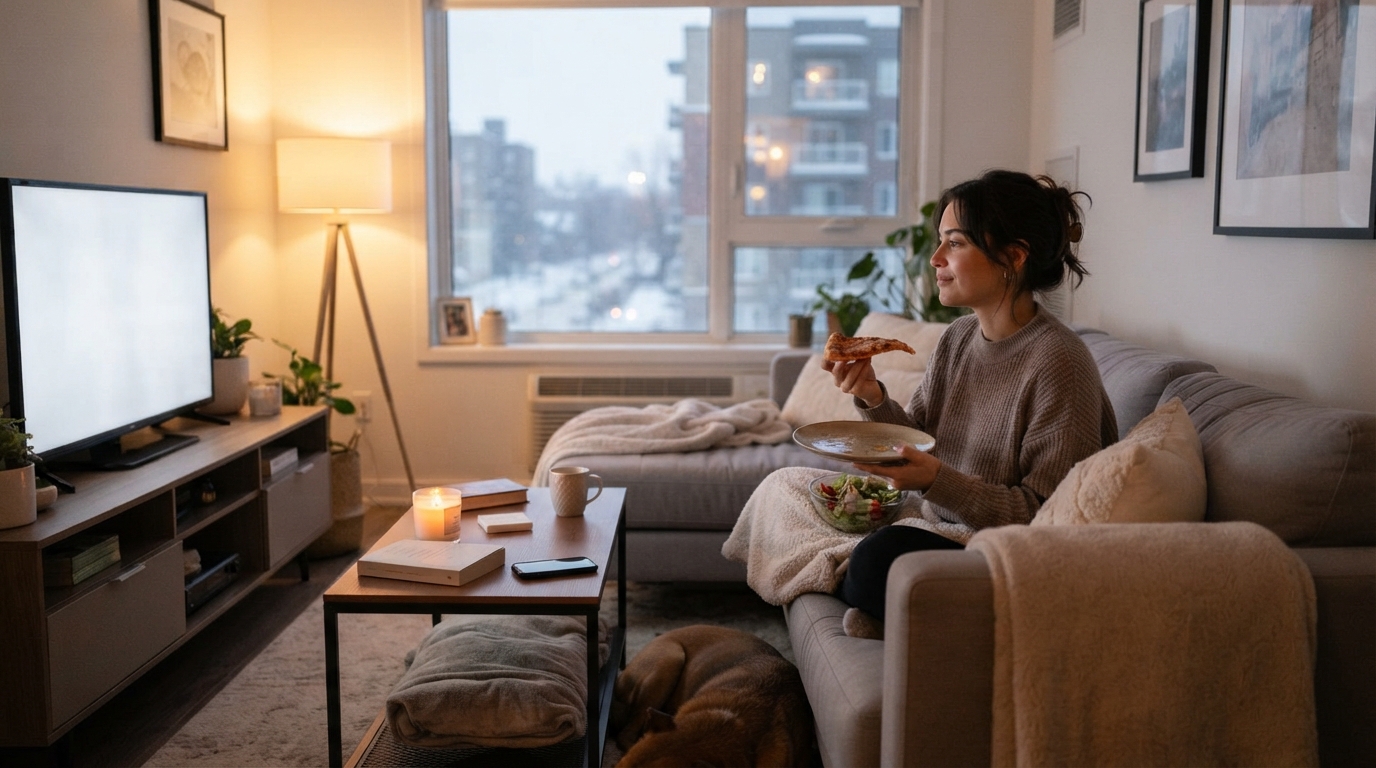
A new trend on social media features content creators showcasing the tranquility of living alone, positioning solitude as a desirable lifestyle. These creators emphasize that they are not lonely.
One such video depicts a young woman's Friday night routine: returning home from work, she unpacks groceries in her pristine kitchen, places a frozen pizza in the oven, lights a candle, and briefly observes the snowy view outside her window. She then plates a pre-made salad with her pizza and settles on her sofa to eat while watching TV. The accompanying caption reads: "POV you're a childfree and single girl that has no friends and lives alone so this is how you spend your Friday night."
This video, which has accumulated seven million views on TikTok, stars Lana Isa, a software sales manager in her 20s based in Toronto. Isa, who has nearly 400,000 followers across TikTok and Instagram, shares not only her nightly self-care routines but also late-night fast-food runs, reading sessions by a lake, and even an incident where she was locked out of her apartment.
Isa is part of a niche but expanding online community where creators, many of them women, document their solitary daily lives, highlighting a lifestyle that prioritizes peace and quiet—a stark contrast to the usual excess of social media. For Isa, the "no friends" aspect of her life, as mentioned in her caption, was not a mere tagline but a "reality" she had experienced for several years.
Lana Isa states that her videos reflect her actual life and were never intended to "romanticize having no friends." After changing high schools multiple times, enduring COVID-19 isolation during college, and moving across the country after her first heartbreak, Isa found herself living alone without close friends. She notes, "People don't talk about having no friends a lot... I think it's still what people would consider embarrassing or a little taboo."
When she began sharing her friendless circumstances online, an audience started to connect with her. Her TikTok following grew from approximately 2,000 to over 175,000 in eight months. She found it "eye-opening to see other people who are living the same situation that I've been… and to feel like I could kind of relate to people for the first time in a while." Her comments section became a space for people to bond over similar experiences of living alone or lacking friends, finding comfort in "feeling seen."
As with many online trends, initial curiosity soon gave way to criticism. Isa and similar creators were labeled "loneliness influencers," with some portraying them as part of a new demographic of sad, lonely, childless women in crisis. Others accused them of romanticizing self-isolation and promoting an "air of cosy defeatism" by rejecting social connections.
However, their videos depict a lifestyle that many might find more relatable than they care to admit. These women engage in solo dates, spontaneous road trips, and even navigate the awkwardness of attending parties alone.
Devon Noehring, a full-time content creator and self-proclaimed introvert from Phoenix, Arizona, finds it "frustrating" that her solo weekends of cooking and relaxing at home with her dog are interpreted as symptoms of female loneliness. She asserts, "It's the exact opposite intention of our videos. I just hate the stigma of alone equalling lonely."
While Noehring has a close circle of friends, she always felt "ashamed" of being a quiet girl with social anxiety during her upbringing. It was only after sharing her insecurities online that she discovered a following of fellow introverts who identified with her struggles. She explains, "Being alone is where I feel my most free and most like myself. That's how I recharge, and I feel very proud of myself for being independent and doing things alone… I think it's something that should be celebrated."
Devon Noehring emphasizes that her content is about prioritizing her peace, asking, "What about this is sad to you?"
Some health researchers are working to "destigmatize loneliness" by distinguishing between chronic loneliness, which is forced by circumstance, and the deliberate choice to live and spend time alone. Professor Melody Ding, an epidemiologist at the University of Sydney researching social connection and loneliness, states, "Everybody's lonely at some point, but some people are not OK admitting that. That can create this false expectation that you have to be socially happy and connected all the time."
However, Ding cautions that while influencers can make being alone appear "really appealing," humans still require social connection, and prolonged intense isolation can be detrimental to mental and physical well-being. She reminds us, "We're a social species. We survive better with companionship, with people around us." While acknowledging that social needs vary throughout life, Ding hopes that those who have lost relationships can eventually "de-emphasize" the friendless aspect of their lives and form new social bonds. She adds, "It's important we have people in our life and it's important these relationships are positive and nourish our lives."
Even when they experience moments of loneliness, these women assert that loneliness does not define their lives, nor do they aspire to remain permanently friendless. SJ Hoadley, a cleaner in the UK who began documenting her solo living after discovering Isa's videos, says, "We never describe ourselves as lonely. I think sometimes my lack of friends tends to bother the people around me more than it bothers me." After leaving a seven-year abusive relationship, she moved to a new area where she knew no one, forcing her to rebuild her life. Despite the initial "shock," she eventually began "enjoying and embracing that independence" and "getting to feel comfortable with my own company."
SJ Hoadley refers to herself as an "accidental influencer" and never anticipated gaining such a large following.
In a social media landscape driven by aspirational living and the pervasive fear of missing out (FOMO), the emergence of solo living influencers can be validating for those who see themselves reflected in this lifestyle, according to Dr. Anne Oeldorf-Hirsch, a specialist in online community building at the University of Connecticut. She notes, "There's been this kind of long growing backlash against the idea that we're seeing everybody's perfect life, their highlight reel." Oeldorf-Hirsch believes the appeal of solitude content fulfills a social need for both creators and their audience, offering "balance" against the dominance of hyper-glamorized influencer culture. She observes, "We're kind of trending towards these influencers that are more authentic, living their true life. We just want to find people we relate to."
Hoadley has seen her following surge by tens of thousands daily at times, while Noehring's videos have garnered millions of views across her channels. These online connections have made Hoadley optimistic about a future where she finds a "little group of girlfriends." Noehring hopes to eventually organize a real-world meet-up with her virtual community, and Isa says the support has given her the "push" she needed to start considering making friends again.
Hoadley concludes, "I think that what all the content is saying is: find your path. It doesn't have to be this one-size-fits-all that we keep getting pushed on social media."